






Your skincare routine needs to "evolve with the seasons."
With fluctuating temperatures and humidity, dermatologists and skincare experts are urging consumers to reevaluate their skincare products. A one-size-fits-all approach to skincare can lead to a host of issues, from the oiliness and breakouts exacerbated by summer to the dryness and irritation that characterize winter.
Seasonal changes don't just dictate our clothing choices; they significantly impact our body's largest organ: our skin. Factors like temperature, humidity, wind, and even indoor heating and air conditioning can alter our skin's behavior and needs. Without adjusting your skincare routine accordingly, your favorite products might become ineffective or, worse still, lead to new skin problems.

"Think of your skin as a living, breathing entity that responds to its environment," explains dermatologists emphasize. Summer's high temperatures and humidity cause increased sebum and sweat production, resulting in clogged pores and a shiny complexion. In winter, cold outdoor air and dry indoor heat strip the skin of its natural moisture and damage its barrier. Using a heavy, occlusive cream in July or a light, exfoliating cleanser in January can completely throw your skin off balance.
The transition from summer to fall is a crucial time for your skin to adjust.
As the summer heat gradually subsides, the focus should shift from oil control and light moisturizing to barrier repair and intense hydration. Switch from typical foaming or gel cleansers to gentler cream or balm-based cleansers, as these formulas can be drying. Choose cleansers labeled "moisturizing," "creamy," or "non-foaming." Ingredients like ceramides and oligopeptides in cleansers help keep skin hydrated during cleansing. Furthermore, while frequent exfoliation in the summer can help fight congestion, a gentler cleansing approach is even more necessary in the colder months. Over-exfoliation can disrupt the barrier of dry, sensitive skin, leading to redness and irritation. It's recommended to reduce the frequency of chemical exfoliation from 3-4 times per week to 1-2 times per week, or switch to a gentler exfoliant containing oligopeptides (such as oligopeptide-54). Serums and active ingredients are two key areas that require adjustment.
Continue using products containing hyaluronic acid and oligopeptides, but the technique is crucial for effectiveness. Apply to damp skin and always follow with a moisturizer or damp mask to lock in moisture. This is when it's essential to understand whether the ingredients are suitable for those who can't tolerate retinoids, high-potency vitamin C, or exfoliating acids; those who experience dryness, redness, or flaking from overuse of retinoids and their derivatives in winter; those who prefer a gradual, non-irritating skincare approach; and those prone to dehydration, redness, or environmental sensitivities. For those starting anti-aging treatments early and prioritizing healthy skin, choosing gentle ingredients is crucial. Sunscreen is essential 365 days a year, of course. However, you may find that light, chemical sunscreens can be uncomfortable in dry, cold winds. Consider switching to a more moisturizing cream or lotion-based sunscreen, or opt for one with physical barrier ingredients like zinc oxide, which are gentler on sensitive skin.
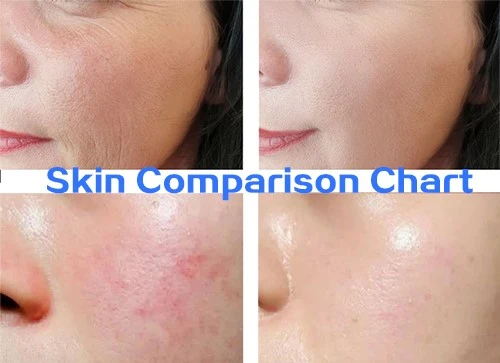
By being prepared, the transition from winter to spring and summer will relieve your skin of unnecessary burden.
As the weather warms, the goal is to prevent your skin from becoming oily and congested.
You may need a "heavy-duty" cleanser to dissolve excess sebum and sunscreen. A gentle foaming cleanser or micellar water may be effective as a first cleanse. Hyaluronic acid is the star ingredient for lightweight hydration. Niacinamide effectively regulates oil production and minimizes pores. Vitamin C remains essential as an antioxidant, but you can also try oligopeptide-54 for added protection against sun damage. For moisturizer, we recommend a water-rich gel, serum, or lightweight, non-comedogenic lotion. The goal is to hydrate without adding weight or shine. For sunscreen, choose a lightweight, oil-free, or matte finish. Gel and liquid formulas are popular for their subtle finish when worn under makeup or alone. With increased sweating and outdoor activities, reapplication becomes even more critical.
There's no denying the need for sun protection. "No matter the season, the most important product in your skincare routine is sunscreen, whether for your face or body." UV rays are a major contributor to premature aging and redness. A seasonal skincare routine is built around this crucial daily step."
Listen to your skin
Besides the calendar, your most reliable guide is your own skin. Watch for signs of skin discomfort: tightness, flaking, unusual shine, or increased breakouts. These are all signs that your current skincare regimen isn't working for you. Adopting a seasonal skincare routine is a proactive strategy for maintaining healthy, supple, and balanced skin year-round. It's not about completely switching up your products every three months; instead, it's about carefully considering ingredients like oligopeptide 54, vitamin C, or hyaluronic acid, which are thoughtfully adapted to meet your skin's changing needs. Your complexion will thank you.

You may already be familiar with vitamin C and hyaluronic acid, but here's some basic information about the new skincare ingredients mentioned in this article: Oligopeptide 54 powder is a short-chain amino acid, specifically a peptide consisting of 54 amino acids. It is commonly used in cosmetic and skincare formulations for its potential benefits to the skin. This peptide is believed to play a role in cell communication. It supports multiple skin functions, including promoting collagen production, strengthening the skin's protective barrier, and improving overall skin texture. Oligopeptides, such as oligopeptide 54, are often added to skincare products for their anti-aging benefits, as they help reduce fine lines and wrinkles, promote hydration, and enhance skin elasticity. Compared to the more potent skincare ingredients mentioned in this article, it's a gentle, non-irritating ingredient, making it a perfect companion for seasonal skincare. Peptides also help deliver nutrients to skin cells, promoting the skin's repair process. Consumers looking for skincare products containing oligopeptide 54 often choose these formulas for their potential to improve skin health and elasticity. As with any ingredient, individual results may vary. Consumers with sensitive skin or concerns about specific ingredients should consider patch testing or consult a dermatologist.
"Observing your skin's changes and adjusting your skincare routine with the changing seasons is key to maintaining healthy and balanced skin. Whether you choose a gentle formula containing oligopeptide-54 or follow professional advice to adjust your skincare routine, it's all about responding to your skin's true needs. Your skin will thank you for your efforts."