





How Might They Impact Bodybuilding?
The realm of athletic performance-enhancing supplements is constantly evolving. Among the compounds that have garnered significant attention in recent years, Selective Androgen Receptor Modulators (SARMs) undoubtedly hold a prominent position. Of the many SARMs available, RAD 150 is gaining increasing popularity and is frequently compared to its predecessor, RAD 140. So, what exactly is RAD 150? How does it compare to RAD 140-what are their similarities and differences? Furthermore, what impact might it have on the worlds of bodybuilding and fitness? Let's delve deeper into these questions.
What Is RAD 150?
RAD 150 is a relatively new compound within the SARMs landscape. Its chemical structure resembles that of RAD 140 (also known as Testolone); however, there is one crucial distinction: RAD 150 has been modified-a modification designed not only to enhance its potency but also to mitigate its side effects. Consequently, RAD 150 is regarded as a more potent, upgraded version of RAD 140-a compound that had already created a massive sensation within the bodybuilding community.
What Are the Similarities and Differences Between RAD 150 and RAD 140?
RAD 140 (also known as Testolone) has long been one of the most widely used SARMs, often used to promote muscle growth and enhance strength. Its mechanism of action involves binding to androgen receptors within muscle and bone tissues, thereby facilitating increases in muscle mass and improvements in bone density. Although RAD 140 yields significant results, it is not without side effects; for instance, it carries a potential risk of suppressing the body's endogenous testosterone production. Conversely, RAD 150 represents an improved version of RAD 140. It retains many of the same benefits as RAD 140-such as promoting muscle growth and boosting strength-yet is designed to be more potent and have a more favorable safety profile. A primary distinction between RAD 150 and RAD 140 lies in the addition of a methyl group to RAD 150's structure, which enhances its binding affinity for androgen receptors. Consequently, RAD 150 can elicit more pronounced muscle-building effects at lower dosages, potentially rendering it superior to RAD 140 in terms of efficacy.
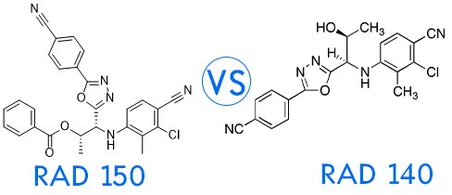
Furthermore, RAD 150 shows promise in mitigating certain side effects associated with RAD 140-particularly those related to the suppression of testosterone production. For this reason, RAD 150 is often regarded as a more advanced and refined iteration of RAD 140, offering not only enhanced potency but also reduced potential drawbacks.
The Potential Impact of RAD 150 on Bodybuilding
1. Muscle Growth and Strength Enhancement
The primary reason bodybuilders and athletes across various disciplines flock to RAD 150 is its immense potential to promote muscle growth and boost strength. RAD 150 works by activating androgen receptors in muscle tissue, thereby accelerating protein synthesis and promoting muscle fiber growth. This physiological process is the key to achieving the "muscle hypertrophy" effect that bodybuilders strive for. Additionally, studies suggest that it can effectively increase oxygen delivery to muscles during physical exertion, thereby reducing fatigue.
2. Fat Loss
Another area where RAD 150 shows promise is its ability to facilitate fat loss. Like other Selective Androgen Receptor Modulators (SARMs), RAD 150 helps users sculpt a leaner, more defined physique by increasing muscle mass and boosting the metabolic rate. As muscle mass increases, the body's fat-burning efficiency improves, potentially leading to a significant reduction in body fat percentage. Although RAD 150 is not, in the traditional sense, a direct fat-burning compound, the increase in muscle mass and metabolic rate it induces contributes to a physique with sharper definition and tighter contours.

3. Bone Health
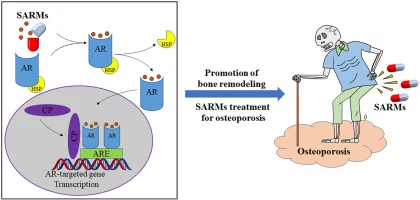
A frequently overlooked benefit of Selective Androgen Receptor Modulators (SARMs) like RAD 150 is their potential to enhance bone density. RAD 150 (much like RAD 140) binds to androgen receptors within bone tissue, thereby strengthening bone structure and reducing the risk of fractures or injuries. This benefit is particularly significant for bodybuilders and athletes across various disciplines, as bone health plays a pivotal role in both overall athletic performance and the physical recovery process.
4. Fewer Side Effects Compared to Steroids
A core advantage of RAD 150 over traditional anabolic steroids is that its side effects are generally milder and more manageable. While anabolic steroids often trigger a range of troubling adverse reactions-including hepatotoxicity, hypertension, and cardiovascular issues-RAD 150 is designed to selectively target androgen receptors in muscle and bone tissue, thereby minimizing its impact on other organs. Furthermore, compared to RAD 140, RAD 150 carries a lower risk of suppressing natural testosterone production, making it a more attractive option for individuals seeking to avoid the negative hormonal imbalances often associated with steroid use.
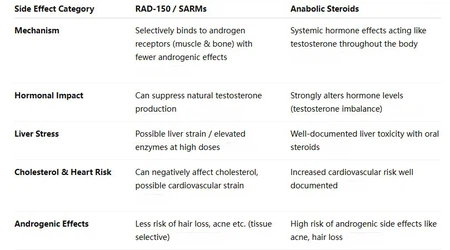
However, it is important to note that RAD 150 is not entirely free of potential side effects. As with any Selective Androgen Receptor Modulator (SARM), there remains a risk of testosterone suppression when using RAD 150, particularly with prolonged use. Users may also experience minor side effects such as headaches, nausea, or mood swings, though these symptoms are typically far less severe than those associated with anabolic steroids.
Safety Considerations
A core advantage of RAD 150 over traditional anabolic steroids is that its side effects are generally milder and more manageable. Furthermore, compared to RAD 140, RAD 150 carries a lower risk of suppressing natural testosterone production, making it a more attractive option for individuals seeking to avoid the negative hormonal imbalances often associated with steroid use.
However, it is important to note that RAD 150 is not entirely free of potential side effects. As with any Selective Androgen Receptor Modulator (SARM), there remains a risk of testosterone suppression when using RAD 150, particularly during prolonged use. Users may also experience minor side effects-such as headaches, nausea, or mood swings-though these symptoms are typically far less severe than those triggered by anabolic steroids.
As with any supplement or performance-enhancing compound, it is always advisable to consult with a healthcare professional before embarking on a new regimen. When used responsibly-and combined with appropriate training and nutrition-RAD 150 can help athletes and bodybuilders achieve significant gains in muscle mass and overall athletic performance. However, to make an informed decision, it is crucial to fully understand the compound's safety, legality, and potential side effects.