





Still troubled by acne or persistent dandruff on your scalp? Experts will explain the causes of scalp acne and dandruff, how to distinguish between the two, and the most effective scalp health care methods.
An itchy scalp, visible dandruff, or painful lumps hidden under the hair can all be uncomfortable and worrying. Many people think the same problem causes dandruff and acne, but experts point out that scalp acne and dandruff are distinct conditions with distinct causes and treatments. Understanding your scalp condition is the first step in choosing the right treatment and preventing recurrence.
What is Scalp Acne?
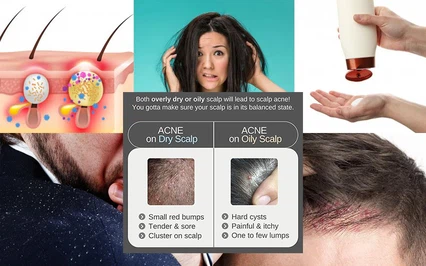
Scalp acne refers to pimples, whiteheads, or inflamed lumps that appear along the hairline or throughout the scalp. Similar to acne on the face or body, scalp acne occurs when hair follicles become clogged with oil (sebum), dead skin cells, and bacteria. According to dermatologists, many factors can contribute to scalp acne, including excessive sebum production, sweat buildup, infrequent shampooing, use of hair care products that clog pores, hormonal changes, stress, and prolonged wearing of tight hats or helmets. The severity of scalp acne varies. Mild cases may present as small pimples, while severe cases, if left untreated, can lead to painful cysts and even scarring.
What is dandruff?
Dandruff is a common scalp problem that causes flaking, itching, and irritation. Unlike scalp acne, dandruff is not caused by clogged pores but is usually associated with a yeast-like fungus called Malassezia, which lives on the scalp.
Common causes of dandruff include: excessive sebum production, dry skin, sensitivity to hair care products, fungal overgrowth, weather changes (especially cold, dry air), stress, and hormonal changes. Dandruff is usually white or yellow and may fall onto the shoulders, especially when the scalp is scratched.
Scalp Acne vs. Dandruff: How to Differentiate Them
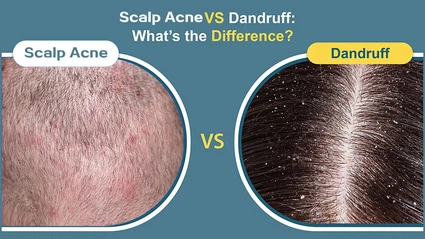
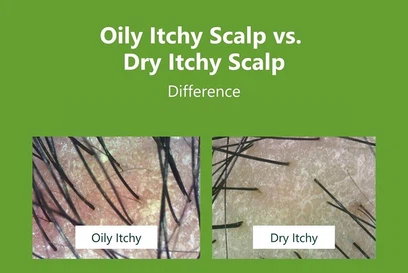
While scalp acne and dandruff can occur simultaneously, their symptoms differ. If you experience painful bumps or pimples on your scalp, it's more likely scalp acne; if you only have dandruff and itching without bumps, it's more likely dandruff. However, some people may experience both simultaneously because they are often related to excessive sebum production and an imbalance in the scalp's microbiome.
Why do scalp acne and dandruff occur together?
Experts explain that both conditions are usually related to scalp sebum production and the scalp's microbiome. When the scalp produces too much sebum, it can:
Clog hair follicles → Leading to scalp acne
Nourish yeast → Leading to dandruff
This is why people with oily hair are more likely to experience both dandruff and scalp acne simultaneously.
Lifestyle factors that may worsen scalp acne and blackheads include: insufficient shampooing, use of heavy or oily hair products, unhealthy diet, excessive stress, hormonal fluctuations, and hot, humid environments.
Treatment Options for Scalp Acne
Treatment for scalp acne typically focuses on reducing oil, bacteria, and inflammation. Experts usually recommend:
1. Salicylic acid shampoo – helps unclog pores
2. Benzoyl peroxide treatment – reduces acne-causing bacteria
3. Tea tree oil shampoo – has natural antibacterial properties
4. Regular shampooing – especially after sweating
5. Avoiding heavy styling products – such as hair wax and hair oil
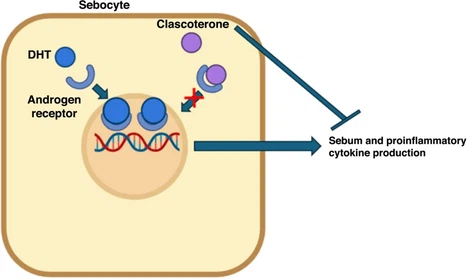
In more severe cases, a dermatologist may prescribe topical antibiotics or medications. In recent years, some topical medications for androgen-related skin problems have also gained attention, such as Clascoterone (CB-03-01). This topical compound has anti-androgenic activity, reducing the risk and severity of acne by inhibiting sebaceous gland activity and sebum secretion. Since scalp acne is sometimes associated with increased sebum secretion stimulated by androgens, this type of anti-androgen treatment may be helpful for some patients. In addition, CB-03-01 has shown potential for the treatment of androgenetic alopecia (male pattern baldness). This type of hair loss is usually associated with increased androgen activity in the scalp, leading to gradual atrophy of hair follicles and hair thinning. By reducing scalp androgen activity, this type of ingredient may help slow hair loss and improve the scalp environment, thereby indirectly supporting scalp health.
Dandruff Treatment Options
The focus of dandruff treatment is reducing fungal growth and controlling sebum secretion. Commonly used treatments include ketoconazole shampoo, zinc pyrithione shampoo, selenium sulfide shampoo, coal tar shampoo, and tea tree oil shampoo. These ingredients help inhibit yeast growth and reduce dandruff and itching.
Scalp Care Tips for Preventing Dandruff and Acne
Whether you have scalp acne, dandruff, or both, proper scalp care is essential. Experts recommend the following habits: wash your hair regularly (especially after sweating), avoid using excessively hot water when washing your hair, wash your hats, pillowcases, and combs frequently, avoid scratching your scalp, choose non-comedogenic hair care products, maintain a balanced diet, and manage your stress levels. The scalp is also skin and needs the same care as facial skin.
When to Seek Medical Attention
You should consider consulting a dermatologist if you experience any of the following: painful or severe scalp acne; hair loss; dandruff that doesn't improve after using medicated shampoo; a very red and swollen scalp; or if you suspect you have another condition, such as psoriasis or folliculitis. Early treatment can prevent complications such as infection or scarring.
Scalp acne and dandruff are common and often confused, but they are not the same condition. Clogged hair follicles and bacteria cause scalp acne, while dandruff is usually associated with yeast overgrowth and scalp irritation. Because both conditions are related to sebum production and scalp health, they can occur simultaneously, making an accurate diagnosis crucial. With proper scalp care, the use of medicated shampoos, and lifestyle adjustments, most people can effectively control scalp acne and dandruff, maintaining a healthy scalp environment.