





For centuries, bitter orange has been used as a traditional botanical ingredient. Today, however, researchers are examining a specific natural compound found in it from a very different perspective: modern metabolic research. The plant-scientifically known as Citrus aurantium-has garnered attention because its fruit contains p-synephrine. This naturally occurring protoalkaloid has been studied for its relationship to energy expenditure, adrenergic signaling, and exercise-related metabolism. Yet the scientific narrative is far more complex than the popularity of bitter orange products might suggest.
Early human studies reported changes in resting metabolic rate and energy expenditure following p-synephrine ingestion. However, recent evidence reviews have questioned whether these changes translate into substantial weight loss and have raised concerns regarding cardiovascular effects.
This discrepancy between metabolic activity and measurable health outcomes has become one of the most compelling aspects of bitter orange research.
From Traditional Citrus Plant to Modern Research Subject
Citrus aurantium-better known as bitter orange-is a citrus variety distinct from the sweet oranges commonly consumed worldwide. Its chemical composition has piqued researchers' interest because it contains various bioactive constituents, including p-synephrine. This compound belongs to a class of citrus alkaloids studied for their potential links to energy expenditure and metabolic regulation. A primary driver of this interest is p-synephrine's interaction with adrenergic signaling pathways.
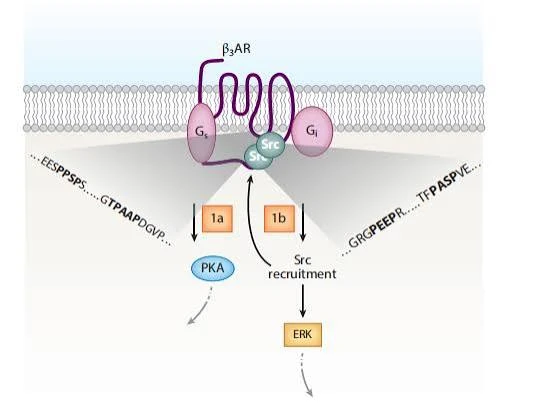
Laboratory and physiological studies have investigated whether p-synephrine influences pathways associated with beta-adrenergic receptors, particularly mechanisms linked to energy expenditure. Reviews of citrus-related research have also discussed the potential connection between p-synephrine and thermogenesis.
However, this does not mean consuming bitter orange automatically produces clinically significant metabolic effects.
Instead, the compound allows researchers to explore how natural molecules interact with the body's systems that regulate energy use. This distinction has become increasingly important as scientists try to separate laboratory observations from effects consistently seen in human populations.

Why research findings rarely yield a simple, singular conclusion
The research history of p-synephrine demonstrates how scientific understanding evolves as more evidence emerges. An early review examined more than 20 human studies involving about 360 participants. These studies covered bitter orange or p-synephrine alone, as well as products containing various other ingredients. Some studies reported increases in resting metabolic rate and energy expenditure, while others noted slight changes in body weight.
However, researchers also highlighted a significant limitation: many studies involved combinations of ingredients, including caffeine. This made it difficult to pinpoint which ingredient drove the observed physiological responses. Subsequent evidence has led to a more cautious conclusion.
A 2022 systematic review and meta-analysis examined 18 placebo-controlled human clinical studies involving p-synephrine. Researchers found that long-term use was associated with statistically significant increases in both systolic and diastolic blood pressure. At the same time, the analysis found no significant impact on weight loss or body composition.
These findings are significant because they highlight the difference between altering energy expenditure and achieving meaningful, long-term changes in body composition. A compound may influence measurable physiological markers without necessarily producing the broader outcomes that consumers or researchers ultimately care about.
This is one reason why modern metabolic research increasingly relies on controlled clinical studies rather than isolated laboratory observations.
What role does bitter orange extract play?
This is precisely why bitter orange extract is particularly important.
An extract is not a single, purified chemical substance but rather a botanical preparation that may contain a variety of naturally occurring ingredients. The p-synephrine content can vary depending on the plant material, maturity, extraction process, and level of standardization.
Scientific reviews indicate that Citrus aurantium (bitter orange) is a primary natural source of p-synephrine; meanwhile, research into citrus alkaloids continues to explore their potential impact on energy expenditure and metabolic pathways.
For researchers studying botanical ingredients, this underscores the critical importance of characterizing the extracts.
Two products labeled simply as "bitter orange extract" may not necessarily share the same chemical composition. Differences in raw materials and standardization levels can affect target-compound concentrations, influencing the reproducibility of experimental results. Consequently, modern research on bitter orange extract goes beyond identifying the plant species. This distinction matters, especially when comparing laboratory findings with human clinical trial results.
The more important question is not simply whether bitter orange is "effective."
A more scientifically intriguing question might be: what exactly happens when specific compounds in bitter orange interact with human metabolism, and under what conditions do these interactions occur? Current research has examined several potential parameters, including resting metabolic rate, energy expenditure, substrate utilization, and cardiovascular responses.
However, existing evidence does not support classifying bitter orange extract as an established weight-management therapy. Although early observations suggested a potential impact on energy expenditure, aggregated clinical evidence has not demonstrated significant long-term weight loss or meaningful improvements in body composition. Furthermore, analyses have linked long-term p-synephrine use to elevated blood pressure. Yet, this does not imply that the ingredient lacks scientific value; quite the contrary. It highlights the enduring value of bitter orange as a subject of study, as the plant sits at the intersection of phytochemistry, adrenergic biology, energy expenditure, and human metabolic physiology.
Future research could focus on using more highly standardized extracts, precisely quantifying p-synephrine content, expanding clinical study populations, and refining study designs-such as isolating bitter orange for study rather than combining it with other ingredients common in complex formulations.
Such research could help answer questions that earlier studies failed to resolve. The scientific community's growing interest in bitter orange-a plant constituent with inconclusive research findings-does not necessarily signal an imminent breakthrough in metabolism research.
Rather, it reflects the increasing precision with which researchers evaluate natural compounds.
Bitter orange extract serves as a prime example. Although the academic study of its p-synephrine content has spanned years, the precise links between its biochemical activity, short-term changes in energy expenditure, and long-term health benefits remain unresolved.
This uncertainty is precisely what makes the subject so valuable in contemporary research. As scientists delve deeper into plant-derived compounds, the focus is likely to shift from broad efficacy claims to specific issues such as chemical standardization, mechanisms of action, dosage, study design, and reproducibility. Consequently, the next phase of research into bitter orange may rely less on marketing hype and more on high-quality scientific evidence. Despite long-standing familiarity with the plant, the scientific discourse regarding its metabolic potential is far from settled.