


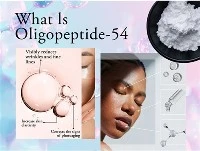



As cosmetic science evolves, formulators and dermatological researchers are rapidly moving beyond first-generation topical anti-aging ingredients. For decades, active formulations have largely relied on non-specific exfoliants, superficial moisturizers, or direct collagen supplementation. However, modern skin biology research indicates that long-term dermal rejuvenation requires precise regulation of cellular signaling, not merely building a barrier on the skin's surface.
Recent breakthroughs in molecular biotechnology have highlighted the pivotal role of "biomimetic peptides." These synthetic amino acid chains, designed with specific sequences, mimic the body's endogenous signaling proteins. As a result, they can regulate cell survival pathways, block signals that trigger apoptosis (programmed cell death), and promote renewal of deep-tissue structures.
Molecular Bottlenecks in Dermal Rejuvenation
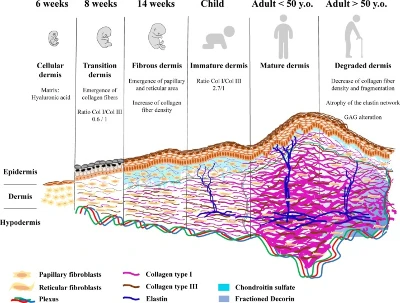
Human skin is constantly subjected to both intrinsic (genetic) aging and extrinsic environmental stressors-including UV radiation, oxidative stress, and chronic, low-grade inflammation (often referred to as "inflammaging"). These stressors can induce senescence and programmed cell death-or "apoptosis"-in dermal fibroblasts and follicular keratinocytes.
When apoptotic pathways are triggered prematurely, the skin undergoes a series of structural degradations:
The extracellular matrix (ECM)-specifically type I and type III collagen and elastin-begins to degrade at an accelerated rate.
Key endogenous growth factors essential for cell proliferation are downregulated.
In the scalp and skin, hair follicle structures undergo miniaturization and enter dormancy.
Traditional anti-aging ingredients often struggle to reach these upstream signaling cascades. While topical antioxidants can neutralize free radicals, they generally can't intervene in signaling pathways that have already been activated-pathways that instruct compromised cells to undergo senescence or apoptosis. To achieve truly effective, long-lasting repair, cosmetic chemists have turned to "biomimetic signal blockers"-compounds that intercept specific inhibitory proteins, preserving cellular vitality.
The Science of Signal Interception: Targeting DKK-1 and BMP4
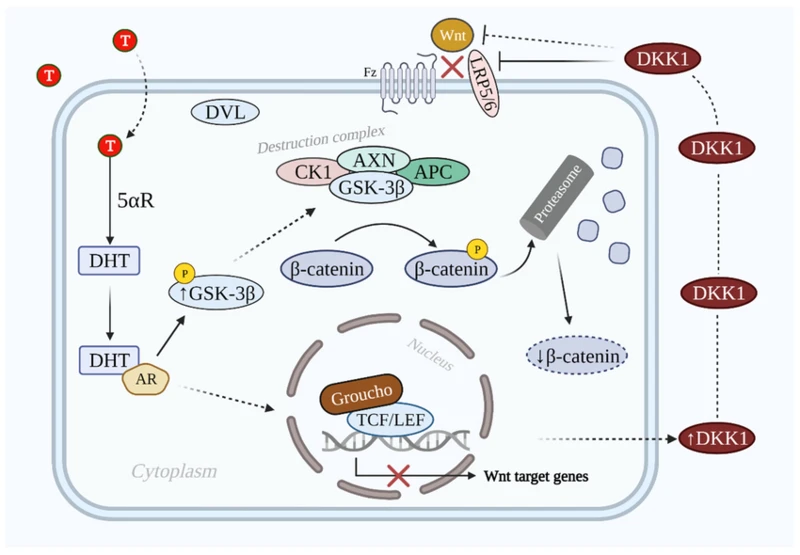
A central focus in cellular signaling research is the interaction involving Dickkopf-1 (DKK-1) and Bone Morphogenetic Protein 4 (BMP4). In a healthy dermal microenvironment, the Wnt/$\beta$-catenin signaling pathway regulates cell renewal, structural protein synthesis, and active growth phases.
However, elevated levels of DKK-1 and BMP4 act as potent "cellular brakes":
1. Activation of DKK-1: It competitively binds to LRP5/6 co-receptors, effectively blocking the Wnt/$\beta$-catenin signaling pathway. This leads to tissue atrophy, reduced dermal density, and accelerated hair follicle regression (inducing the transition into the catagen phase).
2. The BMP4 Cascade: It triggers apoptotic signals in skin progenitor cells, hindering tissue regeneration and slowing the overall rate of cell renewal.
By designing functional peptide analogs that selectively block or downregulate DKK-1 and BMP4 receptors, biotechnologists have pioneered a new paradigm in cytoprotective cosmetics.
Focus on Oligopeptide-54: A Precise Biomimetic Agent
Among the highly promising active ingredients emerging in this field, Oligopeptide-54 stands out.
Oligopeptide-54 is a high-purity, 12-amino-acid peptide sequence that acts as a dual-action biomimetic signal blocker, designed to restore an optimal cellular microenvironment. Unlike broad-spectrum active ingredients, Oligopeptide-54 acts directly on the molecular pathways that drive cellular degeneration:
Inhibition of DKK-1 and BMP4: By selectively inhibiting DKK-1 and BMP4 binding, Oligopeptide-54 protects skin and hair progenitor cells from signals that trigger premature apoptosis.
Maintenance of the Anagen Phase and Growth Cascades: By keeping the Wnt/β-catenin signaling pathway active, this peptide promotes keratinocyte proliferation, extends the active growth phase of hair follicles, and sustains dermal microcirculation.
Protection of the Extracellular Matrix: In skin health applications, it inhibits apoptotic cascades, preventing breakdown of the surrounding collagen network and enhancing the firmness and elasticity of dermal tissue. Oligopeptide-54 is produced as an off-white, high-purity lyophilized powder (with an active ingredient content of ≥95% to ≥98%) and exhibits excellent stability and formulation compatibility in both aqueous and glycol-based cosmetic delivery systems.
Future-Ready Formulation: The Synergistic Effects of Peptides
While Oligopeptide-54 shows exceptional standalone efficacy in blocking apoptotic (cell death) signaling pathways, formulators increasingly combine it with other ingredients to create synergistic peptide complexes.
In products designed for anti-hair loss, scalp care, and intensive skin repair, the integration of "signal-blocking peptides" with microcirculation enhancers-such as Decapeptide-10-and tissue-regenerating peptides-such as Decapeptide-18-enables a comprehensive, multi-target effect:
1. Protection: Oligopeptide-54 blocks the inhibitory cascades triggered by DKK-1 and BMP4.
2. Stimulation: Complementary peptides activate cellular renewal and facilitate the delivery of nutrients via the vascular system.
3. Repair: Accelerated synthesis of the endogenous matrix increases dermal thickness and elasticity, while strengthening the anchorage of hair follicles.
This holistic approach to cellular signaling marks a significant shift in skincare philosophy-moving from "reactive remediation" to "proactive intervention," where cellular protection is achieved at the level of signaling pathways.
Industry Impact and Future Outlook
As global consumers and brands increasingly demand clinical efficacy grounded in rigorous biochemistry, ingredient distributors and cosmetic manufacturers must proactively adapt to stay competitive. By incorporating precise, biomimetic ingredients-such as Oligopeptide-54-cosmetic brands can substantiate their product claims with verifiable molecular mechanisms, moving beyond vague marketing terminology. Formulators are no longer limited to superficial skin conditioning; by targeting specific cellular signaling pathways, they can develop a new generation of products that bridge traditional cosmetics and professional medical aesthetics.
From a formulation perspective, high-purity, freeze-dried peptide powders offer significant advantages for supply chain management and manufacturing. These solid active ingredients ensure exceptional batch-to-batch consistency and superior shelf-life stability, while integrating seamlessly into cold-process or low-temperature emulsification workflows. With excellent water solubility and a low effective dosage threshold, Oligopeptide-54 lets R&D teams maximize bioavailability and skin barrier penetration while managing formulation costs.
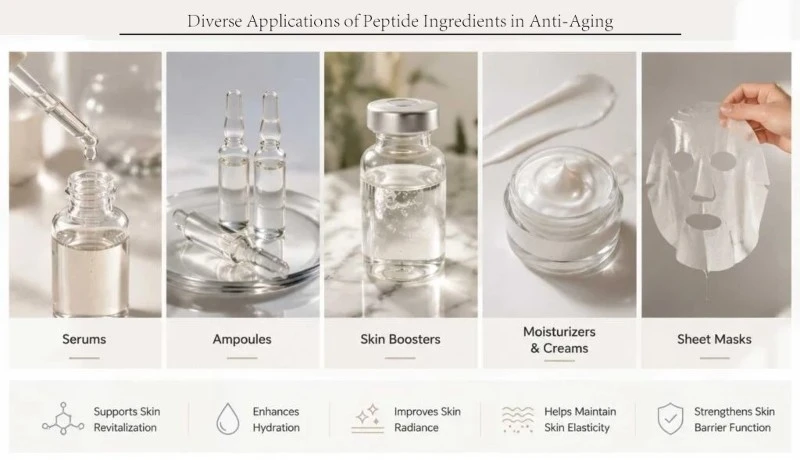
Whether used in premium anti-aging serums, firming eye-care products, post-procedure recovery creams, or scalp-care ampoules, high-purity signaling peptides are redefining industry standards for functional cosmetics. As global regulations on cosmetic efficacy claims tighten, adopting standardized, high-purity biomimetic active ingredients (APIs) gives brands a clear, verifiable path to stand out in a competitive market and secure a leading position.