





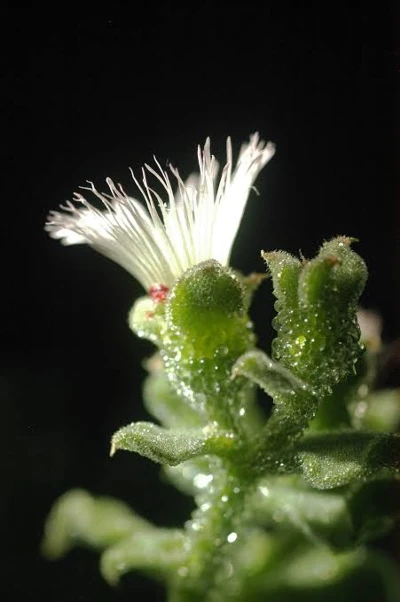
A small succulent plant that grows in challenging environments is attracting attention from researchers studying natural plant compounds. Known as the ice plant, Mesembryanthemum crystallinum has a distinctive appearance, with leaves that can develop sparkling, crystal-like structures on their surfaces. Beyond its unusual appearance, the plant contains a range of nutrients and phytochemicals that scientists are investigating for their potential biological activities.
Recent studies have explored the plant's antioxidant properties, chemical composition, and ability to adapt to environmental stress. Researchers are also examining how growing conditions influence the compounds found in its leaves. These findings are helping scientists better understand why the same plant species can produce different chemical profiles under different conditions.
Although ice plant research is still developing, it offers an interesting example of how scientists investigate natural ingredients, moving from identifying plant compounds to understanding their properties and potential applications.
What Makes Ice Plant Interesting to Scientists?
Ice plant, scientifically known as Mesembryanthemum crystallinum, is a succulent halophyte, meaning it can tolerate relatively high levels of salt in its environment. Native to southern Africa, it has attracted interest from plant scientists because of its ability to adapt to changing environmental conditions.
One feature that makes ice plant particularly interesting is its chemical diversity. Researchers have identified various phenolic compounds, flavonoids, vitamins, and other plant constituents that may contribute to its biological properties.
Phenolic compounds are widely studied in plant science because many can interact with free radicals in laboratory experiments. Flavonoids, a broad group of naturally occurring plant compounds, have also received attention for their antioxidant activity and other biological effects.
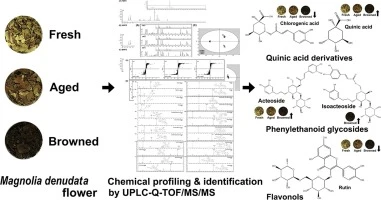
A study published in Foods in June 2024 used liquid chromatography–quadrupole time-of-flight mass spectrometry (LC-QTOF/MS) to investigate the phytochemicals present in ice plant. The researchers identified a range of compounds and isolated eight constituents for further evaluation. Three showed antioxidant activity in the tests performed, while all eight demonstrated anti-inflammatory activity in the experimental assays.
These results provide useful information about the plant's chemical diversity. However, the findings do not establish that eating ice plant or using an extract produces the same effects in the human body. Laboratory tests are an early stage of research, and further studies are needed to understand absorption, biological activity, safety, and potential applications.
The research also illustrates an important point: scientists do not evaluate a plant only by its traditional uses or appearance. They investigate which compounds it contains, how those compounds behave under controlled conditions, and whether the findings can be reproduced.
For this reason, ice plant has become a subject of interest in phytochemistry, natural ingredient research, and the study of plants that thrive under environmental stress.
Can Growing Conditions Change the Compounds Found in Ice Plants?
One of the most interesting questions in ice plant research is whether environmental conditions can influence the plant's chemical composition.
Plants respond to their surroundings in different ways. Light intensity, temperature, water availability, soil composition, and salt exposure can affect growth and the production of secondary metabolites. These substances are not always essential for basic plant growth, but they can play roles in how plants respond to environmental challenges.
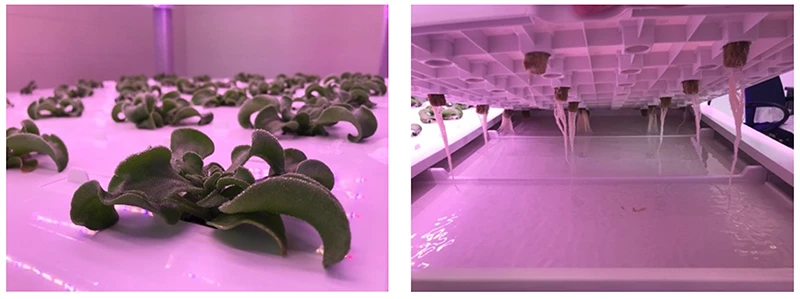
Ice plant provides a useful model for studying these relationships because of its salt tolerance and flexible photosynthetic behavior.
In a study published in Food Science & Nutrition in June 2024, researchers compared wild ice plants with cultivated plants grown under different light and salinity conditions. They measured growth, vitamin C, carotenoids, phenolic compounds, antioxidant activity, and other characteristics.
The findings showed that growing conditions were associated with differences in several measured properties. Higher salinity was associated with increased carotenoid production in the tested plants, while certain lighting conditions were associated with higher plant mass, total phenolic content, and antioxidant activity.
The researchers also detected several phenolic acids across the samples, including gallic acid, p-coumaric acid, and sinapic acid. These results help explain why plant material from the same species may not always have an identical chemical profile.
What does this research mean for ice plant ( Mesembryanthemum ) extract?
As scientists gain a deeper understanding of the chemical properties of Mesembryanthemum, attention has shifted toward the preparation, analysis, and evaluation of its extracts for ingredient development.
"Mesembryanthemum extract powder" is a botanical raw material used in research or ingredient development, depending on its source, composition, and intended use. Relevant research and applications include:
Antioxidant research: Laboratory studies examining compounds derived from the plant and their ability to interact with oxidative processes.
Phytochemical analysis: Research analyzing natural constituents, including polyphenols, flavonoids, and other plant metabolites.
Ingredient development: Exploration of extraction methods, compositional makeup, stability, and potential formulation applications.
The extract powder is derived from the whole plant or specific parts (such as leaves) and concentrated to capture bioactive compounds. Mesembryanthemum extract is known for its ability to alleviate inflammation and oxidative stress in the body. It is rich in antioxidants, particularly flavonoids and phenolic compounds. These properties make the extract powder a valuable ingredient for dietary supplements, skincare products, and herbal remedies.
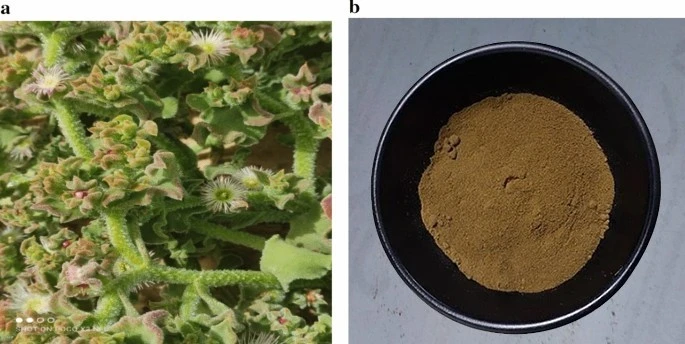
For ingredient developers and research teams, understanding the specific composition of a botanical extract is just as important as understanding its botanical source. A product labeled as " Mesembryanthemum extract powder" does not automatically imply a specific polyphenol concentration, a standardized flavonoid profile, or proven biological effects.
Ultimately, research into the ice plant goes beyond merely discovering a new botanical ingredient. It offers an opportunity to understand how phytochemical properties, environmental adaptation mechanisms, and extraction methods influence the nature of the raw material. As analytical technologies advance and more research findings emerge, researchers will be better able to identify the most relevant compounds and assess the consistency of their characterization. Current scientific evidence lays a promising foundation for further study. Rigorous chemical analysis and well-designed research remain essential to fully understanding the potential of ice plant extract.