






Weight management research is increasingly focusing on a question that goes beyond mere "calories": how exactly does the human body regulate hunger, satiety, and energy intake? While diet and physical activity remain key factors influencing body weight, scientists are also delving into the biological signals that control appetite and glucose metabolism. Among these signals, gut hormones have drawn significant attention because they play a vital communication role between the digestive system, the brain, and other metabolic organs.
Glucagon-like peptide-1 (GLP-1) is one such hormone that has attracted widespread interest. Research into GLP-1 signalling mechanisms has not only driven the development of therapies for type 2 diabetes and long-term weight management. Still, it has also opened new avenues for peptide-based drug research. A deeper understanding of these hormonal pathways helps explain why modern weight management research is increasingly moving beyond a simple focus on caloric intake to examine the body's own regulatory systems.
How do gut hormones influence appetite and metabolic health?
The digestive system's function extends far beyond breaking down food and absorbing nutrients. It also produces hormonal signals that convey information about food intake, nutrient availability, and energy needs. These signals work together to regulate digestion, insulin secretion, and the body's physiological response to eating.
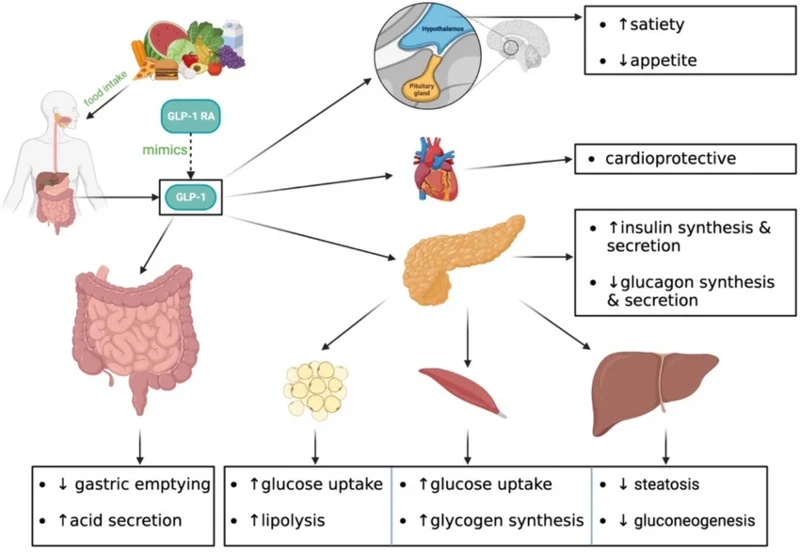
GLP-1 is primarily produced by specialized enteroendocrine L-cells in the gut. When food enters the digestive tract, these cells release GLP-1, which then acts on receptors across various physiological systems. One key function is helping regulate blood glucose: it stimulates insulin secretion when blood glucose rises. It also modulates glucagon release, influencing how the liver metabolizes glucose.
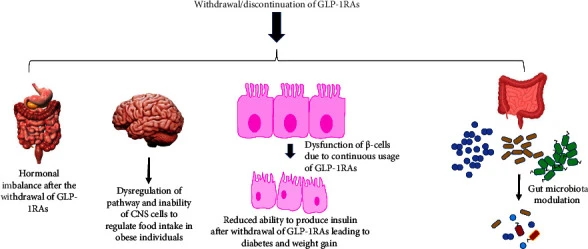
GLP-1 signalling is also closely linked to appetite control. Through signalling pathways involving both the brain and the gastrointestinal tract, it enhances satiety and reduces food intake. At the same time, GLP-1 delays gastric emptying (particularly during the early postprandial phase), slowing the rate at which nutrients move from the stomach into the intestine.
These functions make GLP-1 a key focus of metabolic research. This hormone does not act through a single pathway; instead, it participates in a complex signalling network linking digestion, blood glucose regulation, and appetite control. However, the natural hormone has a relatively short duration of activity because it is rapidly degraded by enzymes, including dipeptidyl peptidase-4 (DPP-4). This presents a key challenge for drug development: can researchers extend GLP-1's biological activity while maintaining desirable pharmacological properties?
Scientists have explored this issue by developing GLP-1 receptor agonists that activate the same receptors as the natural hormone. These compounds have established gut hormone signalling as a vital area of research in diabetes treatment and weight management.
Why do researchers study peptide-based GLP-1 therapies?
Peptides are molecules composed of amino acids linked in a specific sequence. Their structure allows them to interact with biological targets, including receptors involved in hormone signalling. However, developing peptide-based drugs faces technical challenges, including susceptibility to enzymatic degradation, limited stability, and the need to achieve appropriate drug exposure levels in the body.
Semaglutide serves as a prime example of how researchers have addressed some of these challenges. It is a modified GLP-1 analogue designed to activate the GLP-1 receptor while maintaining activity much longer than the natural hormone. Structural modifications allow it to bind to albumin and resist enzymatic degradation, resulting in an elimination half-life of approximately one week.
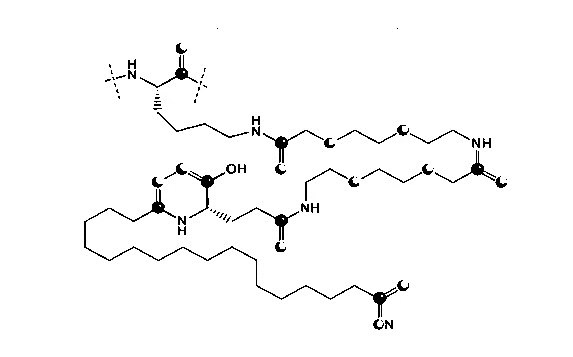
By extending its duration of activity, semaglutide enables once-weekly dosing in its approved injectable form. Depending on the specific product and regulatory jurisdiction, approved semaglutide medications are indicated for various conditions, including type 2 diabetes and chronic weight management. The clinical significance of GLP-1 receptor activation lies in its multifaceted effects. For suitable patients, improved glycemic control and reduced appetite contribute to better metabolic outcomes. However, weight management is complex, and treatment responses vary among individuals. Factors such as genetics, dietary habits, physical activity, underlying health conditions, and the medication's specific characteristics can influence treatment outcomes.
Against this backdrop, semaglutide is a key term in discussions of pharmaceutical ingredients and peptide research. Depending on the intended use and regulatory status, the material may be evaluated for molecular characteristics, purity, related impurities, stability, and other analytical properties. These quality considerations matter because peptides are sensitive to environmental conditions, including temperature, humidity, and storage conditions. When properly validated and applied, analytical methods such as high-performance liquid chromatography (HPLC) and mass spectrometry (MS) facilitate purity assessment and the verification of molecular characteristics.
It is also important to distinguish between peptide raw materials and finished drug products. Powdered forms are not equivalent to approved injectable or oral formulations; finished drug products require appropriate formulation development, manufacturing controls, and quality assessments. Never assume that research-grade materials are suitable for human administration.
Consequently, for researchers and drug developers, the growing interest in the GLP-1 pathway extends beyond mere pharmacological activity. It also underscores the importance of peptide characterisation, formulation science, stability assessment, and reproducible analytical testing.
What challenges will shape the future of weight management research?
Despite advancements in GLP-1-based therapies, significant questions remain. Scientists continue to investigate why individual responses to treatment vary, how appetite regulation interacts with other metabolic pathways, and how to achieve long-term weight management while ensuring treatment tolerability.
Gastrointestinal reactions are among the most common adverse effects associated with semaglutide, potentially manifesting as nausea, vomiting, diarrhoea, constipation, and abdominal discomfort. Due to the risk of more serious complications, treatment decisions require professional medical assessment and appropriate monitoring.
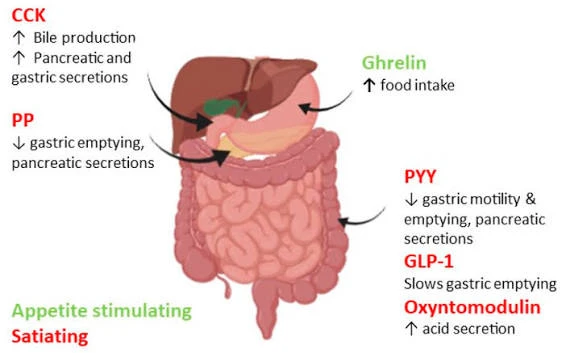
Another challenge is understanding how various physiological signals interact. GLP-1 is not the only hormone involved in appetite and energy regulation. Other signalling molecules-such as glucose-dependent insulinotropic polypeptide (GIP), peptide YY, and ghrelin-also play roles in digestion and in regulating hunger and satiety. Studying these pathways comprehensively helps researchers better understand the biological complexities of weight regulation.
Product quality and regulatory review are equally critical. The U.S. Food and Drug Administration (FDA) has issued warnings about risks associated with unapproved GLP-1 products, including those marketed for research but used in humans. The agency has also highlighted safety concerns related to dosing errors and certain compounded semaglutide products. These issues underscore the importance of distinguishing between compliant research materials and approved medications and adhering to relevant regulatory requirements.
Looking ahead, ongoing research into gut hormone signalling promises deeper insights into appetite regulation, glucose homeostasis, and metabolic diseases. Progress in this field depends not only on identifying promising biological targets but also on using reliable experimental methods, well-characterised research materials, and rigorous safety and efficacy assessments. Therefore, when evaluating Semaglutide powder, drug developers and compliant raw material purchasers should consider factors such as intended use, material specifications, analytical data, purity and identification testing, storage requirements, and relevant regulatory considerations. Suppliers that provide comprehensive technical information help R&D teams assess whether the material meets their project requirements.
As interest in peptide-based metabolic research grows, understanding the relationship between hormone signalling and peptide quality remains crucial to responsible drug development. Organisations interested in Semaglutide specifications, analytical testing, or research-grade material supply may contact compliant suppliers to discuss technical documentation and specific project needs.