


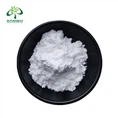






Xi'an Sonwu Biotech Co., Ltd. is one of the most professional manufacturers and suppliers of pralidoxime chloride powder in China. We warmly welcome yuo to wholesale bulk pralidoxime chloride powder for sale here from our factory. Quality products and reasonable price are available.
What Is Pralidoxime Chloride
Pralidoxime chloride powder refers to a powdered form of the medication pralidoxime chloride. Pralidoxime chloride, also known by its generic name 2-PAM (2-pyridine aldoxime methyl chloride), is a medication widely recognized for its role as an antidote in the treatment of certain types of poisoning. It is an essential tool in the armamentarium of healthcare professionals who manage cases involving exposure to organophosphate compounds, carbamates, and nerve agents. By reactivating the enzyme acetylcholinesterase (AChE), pralidoxime chloride helps reverse the toxic effects caused by these substances, providing vital therapeutic support.
Pralidoxime chloride acts as an antidote for organophosphate, carbamate, and nerve agent poisoning, promoting the reactivation of acetylcholinesterase (AChE) and restoring normal neurotransmitter breakdown. By reducing acetylcholine concentrations, pralidoxime may reduce overstimulation of the cholinergic system, thereby attenuating toxic effects.
The administration and dosage of pralidoxime chloride depend on the specific poison involved, the severity of the poisoning, and individual patient factors. Promptness in administering the medication significantly impacts its efficacy, as the potential for reactivating AChE diminishes over time.
The purity of our company's pralidoxime chloride supplement can reach 99%. Also, our prices are very competitive compared to other companies. If you want to know more, don't hesitate to get in touch with Xi'an Sonwu Biotech Co. Ltd.

Pralidoxime Buy
Xi'an Sonwu has rich experience in the global trade and health industry. Reputation-based quality first is the principle of Xi' an Sonwu Company. Xi'an Sonwu strictly controls product quality, so the selection of materials starts with raw materials. Also, we handle every detail and minimize costs so our clients can get the most cost-effective products. Based on these, customers have given high praise to our products. If you need pralidoxime chloride powder, find Xi’an Sonwu Biotech Co. Ltd.
We ultimately make sure of the product’s quality so that samples can be supplied. Here is the quantity.
|
Form |
Sample Amount |
The Minimum of Quantity |
|
Powder |
10g |
10g |
|
Bulk Capsules |
200 capsules |
200 capsules |
|
Bottled Capsules |
5 bottles |
5 bottles |
Customers' Good Comment

What Is Pralidoxime Chloride Used For
Pralidoxime chloride, also known as 2-PAM, is a medication primarily used as an antidote for certain types of poisoning, particularly those caused by exposure to organophosphate pesticides or nerve agents. This medication plays a crucial role in the treatment of organophosphate toxicity and can help reverse the effects of these toxic substances on the body. Here is an overview of the various uses of pralidoxime chloride:
1. Organophosphate Poisoning: Pralidoxime chloride is primarily indicated for the treatment of poisoning caused by organophosphate compounds, including insecticides, herbicides, and certain chemical warfare agents. Organophosphates act by inhibiting the activity of the enzyme acetylcholinesterase (AChE), which is responsible for breaking down the neurotransmitter acetylcholine. By inhibiting AChE, organophosphates lead to an accumulation of acetylcholine, resulting in excessive stimulation of the cholinergic system.
Pralidoxime chloride acts as an antidote by reactivating the inhibited acetylcholinesterase enzyme and restoring its function. This reactivation helps reduce the levels of acetylcholine, reversing the toxic effects caused by organophosphate poisoning. Prompt administration of pralidoxime chloride is crucial to maximize its effectiveness, as irreversible binding of organophosphates to AChE can occur over time.
2. Nerve Agent Poisoning: Nerve agents are highly toxic chemicals that affect the nervous system and can be used in chemical warfare. Pralidoxime chloride is also used as part of the treatment protocol for nerve agent exposure. Similar to organophosphates, nerve agents such as sarin, VX, or soman inhibit AChE, leading to excessive acetylcholine accumulation and widespread cholinergic overstimulation.
As an antidote, pralidoxime chloride works by reactivating inhibited AChE, allowing it to break down acetylcholine and reduce the toxic effects of nerve agent poisoning. Administered alongside other medications such as atropine, pralidoxime chloride forms a critical component of the medical response in cases of nerve agent exposure.
3. Carbamate Poisoning: Pralidoxime chloride may also be used to treat poisoning caused by carbamate compounds. Carbamates, like organophosphates, inhibit AChE but through a different mechanism. The reactivation of AChE by pralidoxime chloride has shown effectiveness in reducing the symptoms and reversing the effects of carbamate poisoning.
4. Insecticide Poisoning: Pralidoxime chloride has been used in cases of poisoning resulting from exposure to certain insecticides that function as AChE inhibitors. Some insecticides used in agricultural, industrial, or domestic settings may fall under the organophosphate or carbamate classifications. Pralidoxime chloride acts as an adjunct treatment in these cases to counteract the toxic effects caused by these insecticides.
What Is the Mechanism of Action of Pralidoxime Chloride
The mechanism of action of Pralidoxime chloride involves its ability to reactivate and restore the function of the enzyme acetylcholinesterase (AChE), which is crucial for the proper functioning of the nervous system.
Acetylcholinesterase is an enzyme that plays a vital role in the transmission of signals in the nervous system. It is responsible for breaking down the neurotransmitter acetylcholine in the synaptic cleft, which is the small gap between nerve cells. This breakdown process ensures that the signal transmission is controlled and regulated, preventing overstimulation of nerve cells.
Nerve agents, such as certain organophosphates, can disrupt this vital process by irreversibly binding to acetylcholinesterase. These compounds covalently attach to the active site of the enzyme, forming a strong bond and inhibiting its activity. As a result, the acetylcholine molecules are not efficiently broken down, leading to an accumulation of acetylcholine in the synaptic cleft.
The buildup of acetylcholine causes overstimulation of nerve cells, leading to a cascade of symptoms, including muscle paralysis, respiratory distress, seizures, and even death. In severe cases, organophosphate poisoning can be life-threatening.
Pralidoxime chloride acts as an antidote to reverse the inhibition caused by certain organophosphates. Upon administration, it works by binding to the inhibited acetylcholinesterase enzyme and displacing the organophosphate molecule from its active site, allowing the enzyme to regain its activity.
The mechanism of action of Pralidoxime chloride can be divided into two key steps: reactivation and regeneration.
Reactivation: Pralidoxime chloride possesses a positively charged part (pyridinium ring) and a negatively charged part (oxime group). These two components help in the reactivation process. The positively charged pyridinium ring of Pralidoxime chloride binds to the anionic site of the inhibited enzyme, which is close to the active site. This binding weakens the bond between the organophosphate and the enzyme, facilitating subsequent displacement.
The negatively charged oxime group of Pralidoxime chloride then attacks the phosphorylated serine residue of the enzyme-inhibited complex, causing a nucleophilic substitution reaction. This reaction results in the detachment of the organophosphate from the enzyme, allowing the enzyme active site to be restored and function normally. The regenerated enzyme can then resume its role of breaking down acetylcholine, preventing its excessive accumulation.
Regeneration: After the reactivation process, Pralidoxime chloride dissociates from the reactivated enzyme. However, in some cases, the oxime-pralidoxime complex can become dissociated from the enzyme before reactivation is complete. To overcome this, Pralidoxime chloride can undergo an oxidative rearrangement, forming an alternative active form called the 2-PAM aldoxime.
This aldoxime form of Pralidoxime chloride has an increased affinity for the reactivation of the inhibited enzyme. It can bind to the anionic site and re-initiate the reactivation process, enhancing the efficiency of Pralidoxime chloride in reversing the organophosphate inhibition.
What Are the Side Effects of Pralidoxime Chloride
Here are some common side effects associated with the use of pralidoxime chloride:
1. Headache: Headaches are a relatively common side effect of pralidoxime chloride. They are often mild and transient, resolving on their own without intervention. However, if headaches are severe or persistent, it is recommended to consult a healthcare professional for further evaluation.

2. Dizziness: Some individuals may experience dizziness while taking pralidoxime chloride. This side effect may cause a feeling of lightheadedness or unsteadiness. It is important to be cautious when performing activities that require alertness, such as driving or operating machinery, as dizziness can affect coordination and balance.
3. Blurred vision: Blurred vision is another potential side effect of pralidoxime chloride. It can manifest as difficulty focusing or seeing objects clearly. This side effect usually resolves on its own as the body adjusts to the medication. If blurred vision persists or worsens, it is advisable to seek medical attention.
4. Nausea and vomiting: Pralidoxime chloride can cause gastrointestinal disturbances in some individuals, leading to feelings of nausea and vomiting. These side effects are generally self-limiting and resolve without intervention. If nausea and vomiting become severe or prolonged, it is recommended to speak with a healthcare professional for guidance.
5. Dry mouth: Dry mouth, also known as xerostomia, may occur as a result of taking pralidoxime chloride. This condition is characterized by decreased saliva production, leading to a dry or sticky sensation in the mouth. Maintaining good oral hygiene and staying hydrated can help alleviate this side effect.
6. Increased blood pressure and heart rate: Pralidoxime chloride may cause a transient increase in blood pressure and heart rate. This side effect is usually mild and well-tolerated, but individuals with pre-existing cardiovascular conditions should be monitored closely. If there are concerns about blood pressure or heart rate, a healthcare professional should be consulted.
7. Allergic reactions: While rare, allergic reactions to pralidoxime chloride can occur. These reactions may range from mild skin rashes and itching to more severe symptoms such as difficulty breathing and swelling of the face, lips, or tongue. If any signs of an allergic reaction are observed, immediate medical attention should be sought.
Factory
Xi'an Sonwu is located in a place with a beautiful natural environment, covering an area of 10,000 square meters. The factory has advanced production equipment, and the technical team is well-equipped, clean, and tidy, with sufficient stock. Under the leadership of the company, researchers insist on developing new products. The following is the testing environment of our laboratory, advanced testing equipment, and professional testers, with a strict attitude to providing valuable data for our products and providing our customers with a quality experience.

Certificate

Packaging

Recent Logistics Record

In addition to guaranteeing product quality, the other most vital thing is clients can receive the goods smoothly. So, Xi'an Sonwu supplies all kinds of couriers according to different needs.


FAQ
1. How to inquiry?
You can contact us by email, telephone number, or social media.
2. How to guarantee the quality of products?
Each batch needs to be tested so we can supply COA for customers. Additionally, our products pass the test: HPLC, UV, GC, TLC, etc. And we also cooperate with third parties, like, SGS.
3. How to pack and store the product?
Pack: Vacuum sealed foil packaging & Sealed export grade drum or pack according to customers' need
Storage: For a short time, you can keep it in a dry and cool place and make it avoid sunlight.
If you are interested in our company's pralidoxime chloride powder, please contact Xi'an Sonwu Biotech Co. Ltd.
Email: sales@sonwu.com
Hot Tags: pralidoxime chloride powder, China, suppliers, manufacturers, factory, wholesale, buy, price, bulk, pure, raw, supply, for sale, Gabapentin powder, Phenibut Capsules, Pralidoxime chloride powder, 9ME BC, Phenylpiracetam Hydrazide, Phenibut Powder


