






In recent years, global focus on brain health has shifted from treatment to prevention. With an aging population and the increasing prevalence of neurological diseases, researchers are increasingly concerned with how to protect cognitive function before it declines significantly. A growing body of scientific research suggests that an emerging class of compounds may confer neuroprotection, enhance neurotransmission, and potentially improve memory and learning.
A New Frontier in Brain Health Research
Neuroprotection-the process of protecting the structure and function of neurons-has become a central theme in modern neuroscience. Traditionally, interventions for cognitive decline have focused on symptom control rather than on addressing the underlying biological processes. However, recent research indicates that certain synthetic and natural compounds may affect brain function at a deeper level.
Researchers are exploring the ability of these compounds to interact with neurotransmitter systems, particularly those involving acetylcholine and gamma-aminobutyric acid (GABA). Acetylcholine plays a crucial role in learning and memory, while GABA regulates neuronal excitability and maintains homeostasis in the central nervous system. Researchers believe that modulating these pathways may enhance neuronal communication, thereby improving overall cognitive abilities.
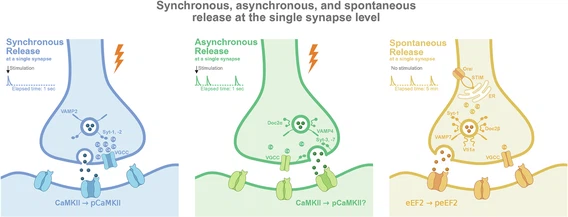
Currently known examples on the market, such as Nefiracetam (also known as DM-9384 capsules), are also synthetic cognitive-enhancing compounds belonging to the neratan class of drugs. They are in the same class as pramracetam and anilaracetam. Their mechanism of action is more inclined to regulate multiple neurotransmitter systems. Nelfilracetam primarily improves neurotransmission by regulating the activation of acetylcholine and ABA receptors in the central nervous system, thereby improving learning, memory formation, and cognitive function to some extent. Studies have shown that it may have an auxiliary effect on memory impairment after brain injury and age-related cognitive decline. Research has also found that this substance has certain neuroprotective and anti-aging properties. Currently, it is mainly used in laboratory and research settings.
Cognitive Support Mechanisms
One of the most remarkable characteristics of these emerging compounds is their multi-target mechanism of action. They do not act on a single pathway but appear to affect multiple systems simultaneously. Early research suggests that they may help optimize neurotransmitter release, improve receptor sensitivity, and support synaptic plasticity-the brain's ability to adapt to the environment and form new neural connections.
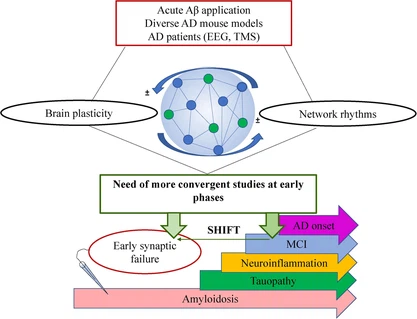
Synaptic plasticity is widely considered the cornerstone of learning and memory. When this process is impaired, individuals may struggle to retain information or adapt to new cognitive challenges. By enhancing synaptic function, these compounds hold promise for maintaining lifelong mental sharpness.
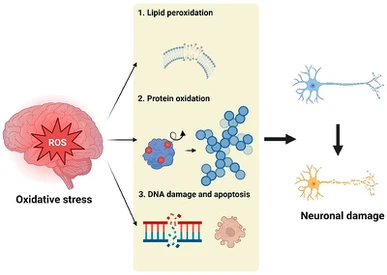
Furthermore, some studies suggest that these compounds may possess antioxidant properties. Oxidative stress, an imbalance between free radicals and the body's ability to eliminate them, is a known contributor to neuronal damage and aging. Therefore, compounds that help alleviate this stress may contribute to long-term brain health.
Potential Applications in Aging and Rehabilitation
The significance of this research extends far beyond enhancing cognitive abilities. Scientists are also exploring how these compounds can aid in the recovery from brain injury or neurological stress. Preliminary results suggest they may help restore neurotransmitter balance and promote cellular repair processes.
The potential benefits of these compounds are particularly pronounced for aging populations. Age-related cognitive decline is a major global concern, affecting millions and placing increasing pressure on healthcare systems. While these emerging compounds have not yet been approved as treatments, their ability to target key mechanisms associated with aging has garnered widespread attention from the scientific community.
There is also growing curiosity about their role in improving mental clarity, focus, and learning efficiency in healthy individuals. However, experts caution that more rigorous clinical studies are needed before conclusions can be drawn.
Research Progress
While early data are encouraging, these compounds remain largely in the research phase. Most have shown generally good tolerability in animal studies, but human data are limited and often preliminary. Regulatory agencies worldwide typically require extensive clinical trials to evaluate the efficacy and safety of new therapies before approving their market release. Therefore, many of these compounds are currently used primarily in laboratory and experimental settings, rather than as mainstream medical solutions.
Growing Interest in Cognitive Innovation
The emergence of these new compounds reflects a broader trend towards proactive health management. Consumers are increasingly focused on maintaining cognitive abilities, just as much as they value physical and cardiovascular health. This shift is driving investment in neuroscience research and accelerating related explorations of novel approaches to brain health.
Therefore, academic institutions, biotechnology companies, and independent research organizations are all contributing to this evolving field. Advances in molecular biology and neuroimaging technologies have enabled the study of brain function with unprecedented precision, opening new avenues of discovery.
Meanwhile, public awareness of neurohealth is also increasing. Discussions about memory, attention, and mental resilience are no longer confined to clinical settings but are increasingly integrated into everyday health conversations.
Challenges and Future Directions
A major obstacle currently facing these compounds is the complexity of the brain itself. The central nervous system comprises complex cellular networks and signaling pathways, making it difficult to predict the effects of interventions across individuals.
Another challenge is that results observed in controlled environments are not always validated in broader populations, highlighting the need for large-scale, well-designed clinical trials. Researchers may also focus on optimizing these compounds, improving their specificity, and identifying which populations are most likely to benefit. Personalized approaches to brain health-tailoring interventions to genetic, environmental, and lifestyle factors-may also play a crucial role in future developments.
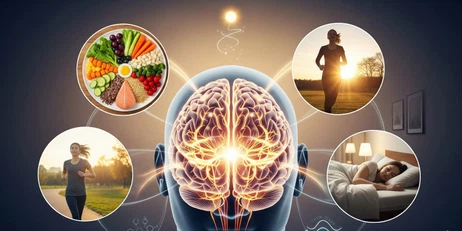
Current research directions suggest that the future of cognitive health may transcend traditional therapies. As scientists continue to uncover the underlying mechanisms of brain function, the proactive and effective maintenance of brain function is becoming increasingly important. Therefore, experts agree that maintaining brain health is a multifaceted effort that involves not only scientific innovation but also lifestyle factors such as diet, exercise, sleep, and mental engagement. These emerging compounds may one day become part of this broader toolkit.
Exploring emerging compounds for neuroprotection and cognitive support represents a promising yet still evolving scientific field. These compounds offer new perspectives on how to maintain and potentially enhance brain health by targeting fundamental processes, including neurotransmission, synaptic plasticity, and oxidative stress.