




Discover how modern medicine addresses male hair loss through innovative therapies targeting both scalp health and hormonal balance. Learn about the latest breakthroughs, treatments, and preventive strategies.
From Scalp to Hormones: How Modern Medicine Effectively Combats Male Hair Loss
Male hair loss is no longer merely a cosmetic concern; it is a widespread health issue affecting millions of men worldwide. Androgenetic alopecia (male-pattern baldness)-once considered an inevitable consequence of aging-can now be treated with a variety of scientifically proven methods. Modern medicine has evolved from simple topical applications to comprehensive treatment regimens that address both scalp health and hormonal imbalances, offering hope to men seeking effective, long-term solutions.
Understanding Male Hair Loss
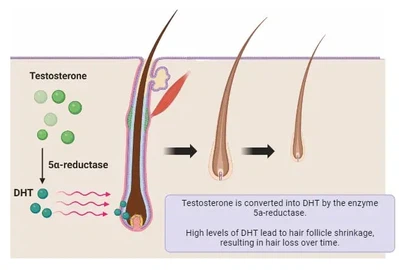
Male hair loss is primarily driven by genetics and hormones-specifically, the impact of dihydrotestosterone (DHT) on hair follicles. DHT, a derivative of testosterone, binds to receptors in hair follicles, causing them to shrink and, eventually, leading to hair thinning. While lifestyle factors such as stress, diet, and environmental pollution can accelerate the process, androgenetic alopecia remains the primary cause of most hair loss cases.
Experts emphasize that early intervention is crucial. "Once hair follicles are damaged beyond a certain point, regenerating hair becomes extremely difficult," notes Dr. Michael Green, a renowned dermatologist and hair restoration specialist.
Modern Scalp Therapies
Topical Treatments
The most common scalp treatments include Minoxidil, a vasodilator that improves blood circulation to the hair follicles and stimulates hair growth. Available without a prescription, Minoxidil is often the first-line treatment for men experiencing early-stage hair loss. Modern formulations-available as foams, liquids, and combination therapies-enhance absorption and minimize irritation, making them easier to incorporate into a daily routine.
Low-Level Laser Therapy (LLLT)
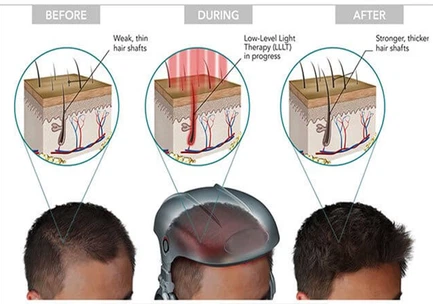
LLLT devices-including combs and helmets-have gained significant popularity for their non-invasive hair-growth benefits. These devices emit low-energy light that penetrates the scalp, stimulating cellular activity and improving hair follicle health. Studies indicate that regular use can significantly slow hair loss and promote hair regrowth in many men. Platelet-Rich Plasma (PRP) Injections
PRP therapy harnesses the body's own healing capabilities. By injecting a concentrated plasma solution into the scalp, PRP promotes collagen production and hair follicle regeneration. Clinical trials have demonstrated that PRP therapy yields significant results, particularly when combined with other treatments, such as Minoxidil.
Hormonal Intervention: Addressing the Root Cause
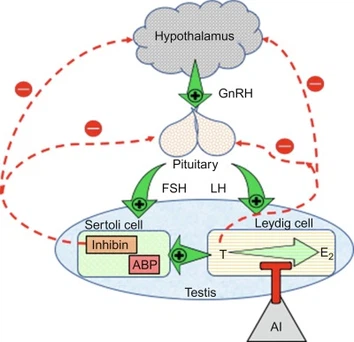
While topical medications help maintain scalp health, targeting hormonal pathways is often the key to achieving long-term efficacy. Finasteride is one such component used in hormonal therapy. Similar to this compound is Dutasteride-also known as Duagen-a 5α-reductase inhibitor primarily used to treat benign prostatic hyperplasia and male-pattern baldness. It is also utilized as part of hormone therapy regimens for transgender women. By blocking the action of 5α-reductase types 1 and 2, the conversion of testosterone into the more potent androgen, dihydrotestosterone (DHT), is prevented. (DHT is a male hormone that stimulates prostate growth and drives the process of male-pattern baldness.) In the United States and other regions, it is available as a generic medication. With nearly 1 million prescriptions issued, it ranked 291st among the most commonly prescribed medications in the U.S. in 2018. These advanced therapies aim to provide more targeted solutions while minimizing the risk of sexual dysfunction or other complications associated with older medications.
Personalized Treatment
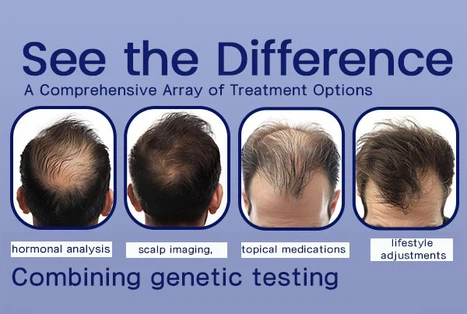
Modern hair loss management increasingly emphasizes personalization. Genetic testing, hormonal profiling, and scalp imaging technologies enable physicians to formulate tailored treatment plans. For instance, some patients respond better to laser therapy, while others derive greater benefit from hormonal interventions. This precision-based approach maximizes therapeutic efficacy while minimizing unnecessary side effects. Physicians emphasize that hair loss is not a one-size-fits-all condition. By understanding each patient's unique circumstances, we can combine multiple therapeutic modalities to achieve optimal results.
Lifestyle and Nutritional Support
Pharmacological treatment yields superior results when combined with lifestyle interventions. Adequate nutrition, stress management, and proper scalp care are vital for maintaining hair follicle health. Key nutrients-such as biotin, zinc, and Vitamin D-help strengthen hair and promote hair growth. Furthermore, avoiding harsh chemicals, excessive heat, and tight hairstyles can prevent fragile hair follicles from sustaining further damage.
Psychological Factors
Male hair loss can have profound psychological effects, undermining a patient's self-esteem and social confidence. Modern hair loss treatment clinics are increasingly integrating mental health support into their treatment protocols, recognizing that emotional well-being is just as vital as physical recovery. Through psychological counseling, support groups, and patient education, male patients are better equipped to cope with the emotional challenges associated with thinning hair.
At the same time, the future outlook for hair restoration is exceptionally bright. Researchers are actively exploring stem cell therapies, gene-editing technologies, and hair follicle cloning techniques to regenerate fully functional hair follicles. These cutting-edge technologies hold the promise of revolutionizing existing treatment paradigms, offering permanent solutions in areas where traditional therapies have previously fallen short.
Ranging from scalp care to hormonal regulation, modern medicine has now established a comprehensive, multi-dimensional treatment framework for male hair loss. Through early diagnosis, personalized treatment plans, and a combination of topical applications, systemic medications, and surgical interventions, we can significantly slow-or even reverse-the progression of hair thinning. Thanks to continuous scientific and technological advancements, men struggling with hair loss now possess an unprecedented array of options, enabling them not only to regain their hair but also to reclaim their confidence and quality of life.
For men currently experiencing hair loss, consulting a qualified medical professional is the essential first step. Thanks to tailored treatment plans and ongoing scientific research, the days of helplessly accepting hair loss as an inevitable fate may soon be a thing of the past.
Male hair loss need not be an unavoidable destiny. Discover how modern medicine comprehensively addresses this challenge-from scalp care to hormonal balance-and find effective solutions that are now within your reach!