


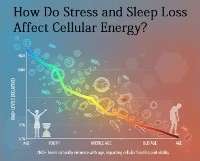



In today's fast-paced world, chronic fatigue has become an almost universal modern complaint. Millions of adults wake up feeling unrefreshed, struggle through afternoon energy crashes, and rely heavily on caffeine or sugar just to get through the day. While it is easy to blame packed work schedules, demanding family lives, or late-night screen time, medical researchers point to a deeper biological reality: what feels like everyday exhaustion often starts at the cellular level. When the body's microscopic energy factories slow down, the entire system feels the strain.
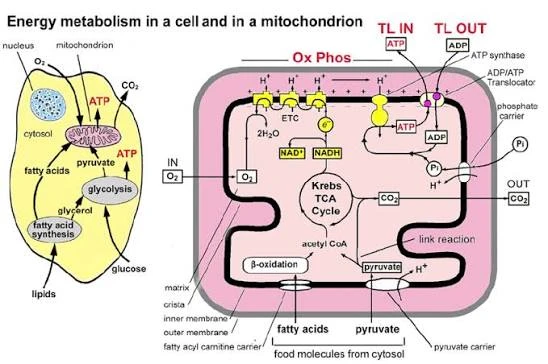
To understand why chronic stress, poor sleep, and aging leave people feeling physically and mentally drained, it is helpful to look closely at cellular biology. Every biological process-from the beating of the heart and the firing of brain neurons to the repair of damaged tissue-requires continuous chemical energy. At the center of this vital activity are tiny structures inside cells called mitochondria, frequently referred to as cellular powerhouses. These organellae convert the nutrients from food into adenosine triphosphate, the universal energy currency of life.
However, cellular power plants cannot function in isolation. They depend heavily on vital coenzymes to facilitate critical biochemical reactions. Chief among these essential molecules is nicotinamide adenine dinucleotide, a compound present in every living cell. Without adequate levels of this coenzyme, cells cannot efficiently convert nutrients into usable energy, leading to a state of cellular depletion.
The Biological Cost of Modern Life
Why do so many people feel constantly low on energy? Lifestyle factors play a crucial role. When individuals are subjected to prolonged physiological or psychological stress, the body releases high levels of stress hormones, such as cortisol. While this response may aid short-term survival, chronic stress leads to oxidative stress and elevated systemic inflammation. Over time, these conditions damage cellular components and accelerate the depletion of essential coenzymes.
Staying up late and maintaining irregular sleep schedules exacerbate this issue. The circadian rhythm-the body's internal biological clock-regulates not only sleep patterns but also metabolic functions and cellular repair mechanisms. Disrupting these natural cycles interferes with the body's ability to carry out routine cellular maintenance.
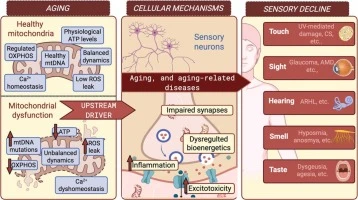
During deep sleep, cells repair structural damage, clear away metabolic waste, and replenish vital molecular reserves. Without sufficient rest, cells accumulate damage and experience a decline in functional efficiency.
Furthermore, biological aging exerts a persistent and subtle influence on this process. Scientific literature consistently shows that levels of essential coenzymes within the body naturally decline as adults age. By middle age, the concentration of key energy-supporting molecules inside cells may drop to half of what it was in youth. This age-related decline delivers a biological "double blow": cells face an ever-increasing demand for daily repair, while the chemical resources available to generate energy and mend damage are simultaneously dwindling.
Understanding the Role of Precursor Molecules
In recent years, the biological sciences have focused on the mechanisms for maintaining and replenishing the body's intracellular stores of essential coenzymes. Attempting to deliver large, complex molecules directly into the body is often ineffective, as cell membranes act as selective barriers, preventing such large compounds from reaching the areas where they are most needed.
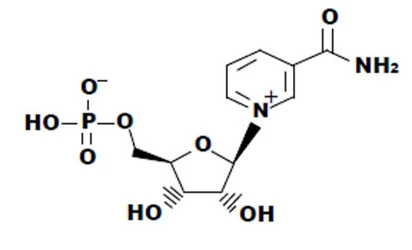
To overcome this structural obstacle, biological systems rely on precursor molecules-smaller, more versatile chemical building blocks that cells can easily absorb and assemble internally. One such molecule, which has garnered significant attention from longevity researchers and biochemists, is a specific nucleotide derivative of vitamin B3, scientifically referred to as the beta-isomer. This substance is β-nicotinamide mononucleotide (β-NMN)-a naturally occurring nucleotide derivative of vitamin B3, typically found in a pure crystalline or powdered form. Within the health and scientific communities, it is widely recognized as a direct precursor to NAD+ (nicotinamide adenine dinucleotide), an essential coenzyme present in every cell of the human body.
NAD+ Depletion: NAD+ plays a fundamental role in mitochondrial energy production (converting food into ATP), DNA repair, cell signaling, and gene expression. However, NAD+ levels in the human body naturally decline with age.
Direct Precursor: Because the NAD+ molecule is too large to be efficiently absorbed directly by most cells, precursor compounds like β-NMN are used instead. Once ingested or dissolved, β-NMN can rapidly enter cells and be converted directly into active NAD+.
Extensive research has been conducted using animal models, and human clinical trials have also yielded promising results:
Cellular Energy and Vitality: By boosting intracellular NAD+ levels, NMN helps maintain mitochondrial health and promotes ATP production, thereby supporting physical strength and bodily function.
Healthy Aging and DNA Repair: NAD+ activates "longevity proteins" (sirtuins)-a family of proteins that regulate cellular lifespan, chromatin structure, and DNA repair pathways.
Metabolic Support: Early human studies suggest that NMN may help improve muscle insulin sensitivity, glucose metabolism, and metabolic flexibility in older adults.
Cognitive Function and Vascular Health: Preclinical and clinical studies indicate that NMN has the potential to protect neurological function and promote healthy microvascular blood flow.
In nature, molecules can exist in different structural configurations known as isomers. The specific β-configuration of this nucleotide is the biologically active form recognized by metabolic enzymes. Once inside a cell, it undergoes a rapid, single-step enzymatic conversion, directly replenishing the pool of coenzymes depleted during mitochondrial energy synthesis.
The Two Pillars of Cellular Health: Energy and Repair
Replenishing cellular resources offers benefits that extend well beyond simply helping people feel less fatigued during the day. Molecular biologists highlight two primary avenues for maintaining cellular health to promote long-term well-being: mitochondrial optimization and enzymatic DNA repair.
First, an adequate supply of coenzymes enables mitochondria to function efficiently. When these cellular powerhouses operate smoothly, cells can generate energy without producing an excess of reactive oxygen species-harmful metabolic byproductsthereby compromising internal structures. This optimized production process helps sustain physical energy, supports cognitive acuity, and promotes healthy metabolic flexibility.
Furthermore, maintaining these molecular reserves activates specialized protective proteins within the body, including a class of enzymes known as "sirtuins." Often referred to by scientists as "longevity factors," these enzymes regulate a variety of critical cellular functions, such as gene expression, stress resistance, metabolic balance, and structural repair. Additionally, specific enzymes tasked with repairing damaged DNA rely directly on these molecular resources to mend the daily genetic wear and tear caused by environmental toxins, radiation, and normal metabolic activity.
Practical Strategies for Sustaining Vitality
While molecular science has unveiled the mysteries of how our cells function, maintaining daily vitality requires a comprehensive and foundational approach. Leading health experts emphasize that cutting-edge bioscience is most effective when integrated with healthy daily habits:
Prioritize circadian alignment: Establishing a consistent sleep-wake schedule helps synchronize metabolic cycles, optimizing the cellular self-repair processes that occur during deep rest.
Adopt a nutrient-dense diet: Consuming foods rich in antioxidants, healthy fats, and high-quality proteins provides the essential "raw materials" for mitochondrial function, while reducing the metabolic stress caused by refined sugars and ultra-processed foods.
Engage in regular physical exercise: Exercise-particularly a combination of aerobic and resistance training-stimulates mitochondrial biogenesis, prompting cells to generate brand-new, healthy "energy factories."
Manage chronic stress: Practices such as mindfulness (e.g., meditation, breathing exercises) and frequent time spent outdoors help lower persistent cortisol levels, preserving valuable molecular reserves for essential daily cellular maintenance.
Stay informed on nutritional science: As research into cellular precursors and metabolic health continues to evolve, keeping up with the latest scientifically validated findings can be highly beneficial for those seeking to sustain long-term vitality.
Looking Ahead: A New Era in Healthspan Science
The scientific discourse surrounding "health" is undergoing a fundamental shift. For a long time, healthcare focused primarily on treating symptoms after dysfunction had already set in. Today, the focus is moving toward "proactive optimization"-supporting fundamental biological systems to ensure that cells remain resilient and vibrant throughout one's entire life.
Understanding the invisible processes that regulate cellular energy empowers individuals to take true ownership of their own health. Persistent fatigue or a feeling of being "drained" should not be accepted as an inevitable cost of modern life or the aging process. By providing support to the body at a microscopic level-integrating sound lifestyle habits with insights from modern cellular science-we can effectively safeguard cellular vitality, thereby sustaining abundant physical and mental energy well into the future.