





Foods that improve memory Eat these to improve memory
We know that with the increasing trend of urbanization and aging, the elderly population in China has exceeded 120 million. Correspondingly, the incidence of elderly diseases, especially mental diseases, has also shown a trend of increasing year by year. With the continuous improvement of economic level and people's living conditions, the elderly's requirements for quality of life have also increased. Memory is one of the abilities necessary for our lives, but as we age, more and more people feel that their memory has declined to a certain extent. So how can we improve our memory? What are the foods that improve memory?
An effective way to enhance memory is through daily diet. You can eat more foods or fruits and vegetables containing fat, protein, choline, lecithin (lecithin exists in every cell), calcium, magnesium, etc.

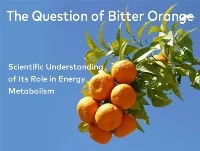
Oranges
Oranges contain a lot of vitamins A, B1 and C. They are typical alkaline foods and can eliminate the harm caused by a lot of acidic foods to the nervous system. Eating some oranges regularly during the exam can make people energetic. In addition, lemons, tangerines, grapefruits, etc. also have similar effects and can replace oranges.
Corn
Corn germ is rich in linoleic acid and other unsaturated fatty acids, which can protect cerebral blood vessels and lower blood lipids. In particular, the high water content of glutamic acid in corn can help promote brain cell metabolism. Eating corn, especially fresh corn, can help strengthen the brain.
Peanuts
Peanuts are rich in lecithin and cephalin, which are important substances needed by the nervous system. They can delay the decline of brain function, inhibit platelet aggregation, and prevent cerebral thrombosis. Experiments have shown that eating peanuts regularly can improve blood circulation, enhance memory, and delay aging. It is a veritable "longevity fruit".

Fish
They can provide high-quality protein and calcium to the brain. The fatty acids contained in freshwater fish are mostly unsaturated fatty acids, which will not cause vascular sclerosis and have no harm to cerebral arteries. On the contrary, they can protect cerebral blood vessels and promote brain cell activity.
Pineapple
Pineapples contain a lot of vitamin C and trace element manganese, and are low in calories. Eating them regularly can promote body fluid and refresh the mind. Some people say that it is a fruit that can improve people's memory. Pineapple is a favorite fruit for some musicians, singers and actors who have to memorize a lot of music, lyrics and lines.
So what else is there besides these foods?
Back in 1964, a Romanian scientist, Dr. Corneliu Giurgea, synthesized the first artificial nootropic, named Piracetam, and called it a nootropic, emphasizing the amazing effect these substances can have on our brain's ability and performance.
Since nootropics can increase the number of acetylcholine receptors in the brain, they often have the effect of improving brain utilization. In fact, nootropics are a substance that is finally converted from pyroglutamate, and its raw material pyroglutamate is generally found in fruits and vegetables.
DM235 Powder (Sunifiram powder) is a synthetic nootropic compound that belongs to the ampakine family of drugs. It was first developed in the late 1990s and has gained popularity among individuals looking to enhance their cognitive abilities. While Sunifiram is structurally similar to other nootropics, such as piracetam, it is believed to be significantly more potent.
lt is thought to work by modulating the release of glutamate, an essential neurotransmitter in the brain. By enhancing the activity of AMPA receptors, which respond to glutamate, this compound may increase synaptic plasticity, memory formation, and learning capabilities. it is also believed to improve long-term potentiation, strengthening neuron connections.

Nootropics, also known as smart drugs or cognitive enhancers, are believed to positively affect mental performance, memory, learning, focus, and overall brain health.The term"nootropic" was coined by Dr.Corneliu E.Giurgea, a Romanian psychologist and chemist, in 1972.
The primary theory behind nootropics is based on neuroplasticity, which refers to the brain's ability to change and adapt throughout a person's life.Nootropics promote neuroplasticity by increasing the brain's ability to form and strengthen connections between neurons.
Nootropics are thought to work through various mechanisms of action.Some substances increase the production or release of neurotransmitters, chemical messengers facilitating communication between neurons. For example,nootropics like piracetam are believed to enhance the activity of the neurotransmitter acetylcholine, which is involved in memory and learning processes.
The theory behind nootropics also encompasses improving cognitive performance by reducing anxiety and enhancing mood.Many nootropics are believed to have anxiolytic(anti-anxiety) and mood-enhancing effects, which can lead to improved mental performance and productivity.
Nootropics are an attractive class of supplements and drugs that are effective and safe for both sick and healthy people. In addition, when choosing your favorite brain-friendly foods, you can choose from various types of herbal nootropics, amino acids or pharmaceuticals. For those who may need some cognitive optimization, nootropics are definitely a good choice.