






Regenerative research is gaining increasing attention as scientists seek superior repair solutions.
Tissue repair has become one of the most active areas of biomedical research, with scientists continually exploring new methods to support the body's natural healing processes. From sports injuries and post-operative recovery to gastrointestinal damage and chronic inflammation, researchers are dedicated to investigating biological pathways that enhance tissue resilience against stress and injury. Traditional repair methods often focus on managing symptoms, reducing inflammation, or replacing damaged structures. However, advances in regenerative medicine are shifting the focus toward a different question: how can we better support the body's own repair mechanisms?
This growing research interest has driven the study of bioactive molecules-including peptides, growth factors, and cell-signaling compounds-that can influence processes such as angiogenesis, collagen formation, immunomodulation, and tissue remodeling. Among these emerging areas, peptide-based technologies have garnered significant attention because they can interact with specific biological pathways. Unlike traditional small-molecule drugs that typically target a single pathway, certain peptides have become a focal point of research because they can influence multiple aspects of cellular repair.
Scientists believe that a deeper understanding of these mechanisms will facilitate the development of cross-disciplinary regenerative strategies spanning wound healing, musculoskeletal research, and gastrointestinal health. Meanwhile, as universities, biotech companies, and pharmaceutical research institutions continue to explore new regenerative candidates, the demand for advanced research materials is rising. High-quality peptide compounds are becoming essential tools in laboratory settings for studying cell communication, tissue responses, and the mechanisms of biological repair.
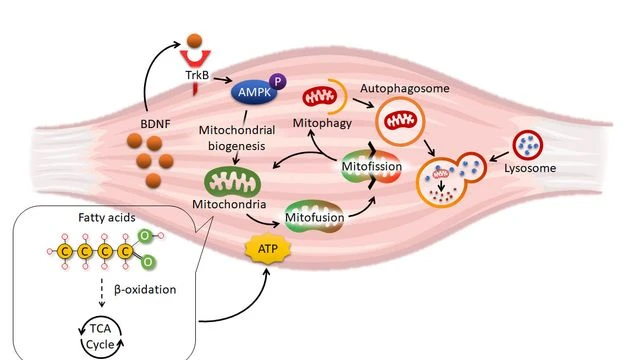
How peptide research is transforming our understanding of tissue repair
Tissue repair is a complex biological process involving multiple coordinated stages. Following an injury, the body must control inflammation, rebuild damaged extracellular structures, restore blood supply, and promote the formation of new, functional tissue. One key area of focus for researchers is angiogenesis-the process of forming new blood vessels from existing vascular networks. Because oxygen and nutrients are vital for tissue regeneration, enhancing vascular support is a critical focus in repair research.
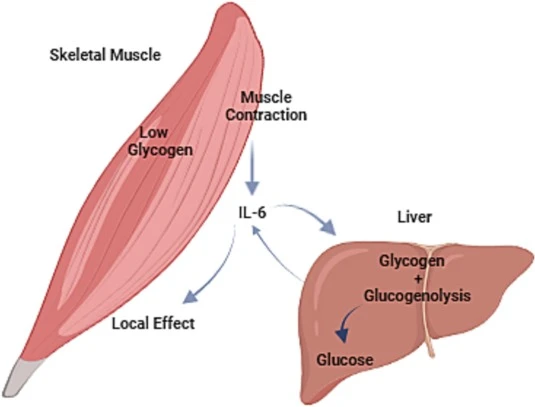
Recent studies have investigated how certain peptides influence vascular signaling, collagen production, and cytoprotective mechanisms. Experimental studies indicate that certain peptide compounds may influence biological pathways associated with endothelial function, inflammatory responses, and tissue regeneration. Scientific interest in this area has expanded beyond skin and wound repair. Researchers are currently exploring potential applications in fields such as muscle injury recovery, tendon and ligament repair, gastrointestinal protection models, cellular stress response studies, and regenerative medicine platforms. The broader objective is not merely to accelerate healing, but to better understand how biological systems maintain tissue integrity and respond to injury.
Another significant focus of current research is the relationship between inflammation control and tissue regeneration. Scientists increasingly recognize that excessive or persistent inflammation can disrupt normal recovery processes. Consequently, compounds that can both modulate inflammatory signaling and enhance cellular resilience have become a major focus of research. This shift toward mechanism-oriented research creates new opportunities for biotechnology companies, pharmaceutical developers, and suppliers of advanced research compounds intended for preclinical studies.
Research on BPC-157 Highlights the Potential of Bioactive Peptides
In the evolving field of regenerative peptide research, BPC-157 has drawn significant attention for its efficacy in experimental models of tissue protection and repair.
BPC-157 (short for "Body Protection Compound 157") is a synthetic pentadecapeptide originally derived from a protective protein sequence found in gastric juice. Research has focused on its potential roles in various biological processes, including angiogenesis, cytoprotection, inflammation modulation, and tissue recovery. Experimental studies have investigated BPC-157 in models involving gastrointestinal injury, tendon and muscle damage, wound healing, and other conditions requiring tissue repair. Reports indicate that in animal models, the substance promotes granulation tissue formation, improves vascular responses, and enhances healing-related physiological processes.

Researchers suggest that the peptide may interact with multiple signaling pathways involved in tissue regeneration, including those related to angiogenesis and nitric oxide regulation. These mechanisms remain a focal point of scientific inquiry, as researchers continue to explore how such peptide compounds influence the complex networks governing recovery in living organisms.
For biotechnology and pharmaceutical research institutions, peptides like BPC-157 represent an increasingly important class of experimental materials with potential applications in regenerative medicine research.
The sustained interest in BPC-157 reflects a broader trend in biomedical research: exploring naturally derived biomolecules as tools for understanding repair mechanisms. Scientists are moving beyond isolated symptoms to examine how molecular signals interact with cells and tissues during recovery.
This approach may offer valuable insights for future therapeutic development, although further clinical research is required to fully understand the compound's safety, efficacy, and potential applications.
Future Opportunities in Tissue Repair and Peptide Research
The growing focus on regenerative biology reflects a broader shift in healthcare research. Scientists are moving beyond treating injuries after they occur to increasingly explore methods that support the body's natural biological repair mechanisms. This trend has driven demand for high-quality research compounds, analytical standards, and specialized peptide materials. As regenerative medicine advances, suppliers and research institutions are placing greater emphasis on product purity, stability, physicochemical properties, and manufacturing reliability.
BPC-157 and similar bioactive peptides are currently primarily utilized as research compounds, with ongoing studies investigating their biological mechanisms and potential applications. While further clinical research is required to define their future therapeutic roles, existing findings have sparked significant interest in using peptides to facilitate tissue repair. The next phase of regenerative research may not rely on a single breakthrough molecule, but on a deeper understanding of how biological signals coordinate repair, protection, and regeneration.
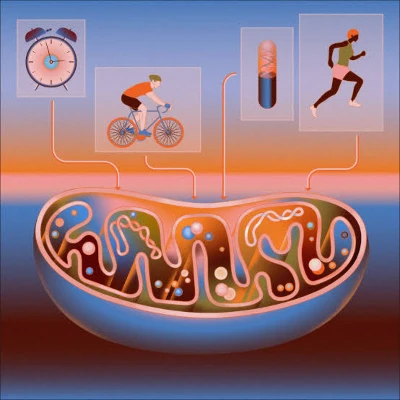
As scientists continue to explore new ways to accelerate tissue repair, peptide research is poised to remain a vital link between molecular biology, biotechnology, and future medical innovation.
For companies involved in peptide development, laboratory research, or the supply of pharmaceutical raw materials, this expanding field offers significant opportunities to support ongoing scientific discovery by providing reliable, research-grade peptide materials and technical solutions.