




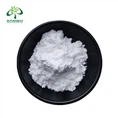
R51211 powder is a medication that is specifically formulated for use in animals to treat fungal infections. It belongs to the class of antifungal drugs that are known as triazoles and is commonly prescribed by veterinarians to treat various fungal conditions in dogs, cats, and other animals.
Besides, itraconazole is a kind of broad-spectrum antifungal agent that works by inhibiting the synthesis of ergosterol, a crucial component of fungal cell membranes. By interfering with the production of ergosterol, itraconazole disrupts the integrity and function of the fungal cells, leading to their death.
This medication is commonly used to treat a range of systemic fungal infections in animals. Some of the fungal infections that may be treated with veterinary itraconazole include blastomycosis, histoplasmosis, sporotrichosis, cryptococcosis, and aspergillosis.
In addition to systemic infections, itraconazole can also be used to manage superficial fungal infections, such as ringworm (dermatophytosis), which commonly affects both dogs and cats.
The dosage and duration of treatment with veterinary itraconazole vary depending on factors such as the type and severity of the fungal infection, the animal's weight, and overall health. It is crucial to follow the veterinarian's instructions regarding dosing and administration to ensure the medication's effectiveness.
What Is Itraconazole Soluble In
Veterinary itraconazole exhibits limited solubility in water due to its lipophilic nature. However, various solvents and formulation techniques can be employed to enhance its solubility and improve its delivery in veterinary medicine.
One common approach is to formulate itraconazole in cyclodextrins, such as hydroxypropyl-beta-cyclodextrin (HPβCD), which can form inclusion complexes with the drug. Cyclodextrins are cyclic oligosaccharides that have a hydrophilic outer surface and a hydrophobic cavity capable of encapsulating lipophilic molecules like itraconazole. This inclusion complex formation significantly increases the solubility of itraconazole in aqueous systems, allowing for improved absorption and bioavailability.
In veterinary medicine, itraconazole formulated with cyclodextrins is available as an oral solution or suspension that can be easily administered to animals. The cyclodextrin complex helps solubilize itraconazole within the liquid formulation, ensuring better dispersion and absorption in the gastrointestinal tract.
Other solvents or vehicles can also be used to enhance the solubility of veterinary itraconazole. For example, ethanol, propylene glycol, polyethylene glycol, or other organic solvents can be employed to prepare itraconazole solutions or suspensions for oral administration. These solvents help dissolve itraconazole and facilitate its delivery to the animal.
Additionally, considering the lipophilic nature of itraconazole, it can also be formulated in lipid-based carriers. Lipid nanoparticles, such as liposomes or nanoemulsions, can encapsulate itraconazole and improve its solubility in aqueous environments. Lipid-based formulations not only enhance solubility but also aid in the uptake and distribution of itraconazole within the body.
The selection of a suitable solubilization technique or formulation depends on various factors, including the intended route of administration, target animal species, dosage requirements, and desired pharmacokinetics. It is important to note that these formulations should be developed and administered under veterinary guidance to ensure safety, efficacy, and compliance with regulatory requirements.
In conclusion, veterinary itraconazole exhibits limited solubility in water due to its lipophilic nature. However, solubility can be enhanced through the use of cyclodextrins, organic solvents, or lipid-based carriers. Such formulations help improve the delivery, absorption, and bioavailability of itraconazole in veterinary medicine, enabling effective treatment of fungal infections in animals.
What Is The Mechanism Of Action Of Itraconazole
The mechanism of action of veterinary itraconazole is similar to its human counterpart. Itraconazole belongs to the class of antifungal drugs known as triazoles and exerts its antifungal activity by inhibiting the synthesis of ergosterol, an essential component of the fungal cell membrane.
Specifically, itraconazole targets the enzyme lanosterol 14-alpha-demethylase, also known as cytochrome P450 14-alpha-demethylase or CYP51. This enzyme is involved in the conversion of lanosterol to ergosterol, a critical step in the biosynthesis of fungal cell membranes. By inhibiting CYP51, itraconazole prevents the formation of ergosterol and disrupts fungal membrane integrity.
Inhibition of CYP51 by itraconazole leads to alterations in the fungal cell membrane composition, including a decrease in ergosterol levels and an increase in the accumulation of 14-alpha-methylated sterols. These changes disrupt the normal structure and function of the fungal cell membrane, compromising its integrity and permeability. As a result, critical cellular processes such as nutrient uptake, ion transport, and membrane-bound enzyme activities are impaired, leading to the inhibition of fungal growth and replication.
It is worth noting that itraconazole exhibits a broad spectrum of antifungal activity against various fungal species, including yeasts (such as Candida and Cryptococcus) and molds (such as Aspergillus and Blastomyces). The potency and spectrum of activity may vary depending on the specific fungal species and strains being targeted.
Furthermore, itraconazole has been found to possess additional mechanisms of action that contribute to its antifungal activity. These include interference with fungal cell wall synthesis, inhibition of fungal protein synthesis, and modulation of the host immune response against fungal infections. However, the inhibition of CYP51 and subsequent disruption of ergosterol synthesis remain the primary and most well-established mechanism of action for itraconazole.
In summary, veterinary itraconazole acts as an antifungal agent by inhibiting the synthesis of ergosterol, a key component of fungal cell membranes. By targeting the enzyme CYP51, itraconazole disrupts the biosynthesis of ergosterol, leading to membrane alterations and impaired cellular functions in fungi. This mechanism of action is fundamental to the antifungal efficacy of itraconazole against a broad range of fungal species in veterinary medicine.

What Enzyme Does Itraconazole Inhibit
Veterinary itraconazole inhibits the enzyme lanosterol 14-alpha-demethylase, also known as cytochrome P450 14-alpha-demethylase or CYP51. This enzyme is a crucial component of the fungal cytochrome P450 system and plays a key role in the biosynthesis of ergosterol, an essential sterol found in fungal cell membranes.
CYP51 enzyme is responsible for catalyzing the conversion of lanosterol to ergosterol through a series of enzymatic reactions. Ergosterol is a vital structural component of the fungal cell membrane, providing stability, fluidity, and integrity to the membrane. It is essential for maintaining proper membrane function, regulating permeability, and facilitating various cellular processes.
By inhibiting CYP51, veterinary itraconazole disrupts the synthesis of ergosterol in fungi. It binds to the heme group within the active site of CYP51 and interferes with its enzymatic activity. This binding prevents the demethylation of lanosterol, thereby blocking the conversion of lanosterol to ergosterol.
The inhibition of CYP51 by itraconazole leads to a decrease in ergosterol levels and an accumulation of abnormal 14-alpha-methylated sterols within the fungal cells. These alterations in the sterol composition of the fungal membrane result in structural and functional abnormalities, compromising the integrity and permeability of the membrane. As a consequence, critical cellular functions such as nutrient uptake, ion transport, and membrane-bound enzyme activities are disrupted, leading to the inhibition of fungal growth and replication.
It is important to note that while itraconazole primarily targets CYP51, it may also exhibit some inhibitory activity against other enzymes involved in fungal biosynthesis pathways. These additional effects can contribute to its antifungal activity but are secondary to the primary inhibition of CYP51 and disruption of ergosterol synthesis.
In conclusion, veterinary itraconazole inhibits the enzyme lanosterol 14-alpha-demethylase (CYP51) in fungi. By blocking this key enzyme, it disrupts the biosynthesis of ergosterol, which is essential for fungal cell membrane integrity and function. The inhibition of CYP51 and subsequent disruption of ergosterol synthesis are central to the antifungal mechanism of action of itraconazole in veterinary medicine.
Xi'an Sonwu guarantees to supplies top quality products. If you want to know more about this products, feel free to contact us.
E-mail: sales@sonwu.com