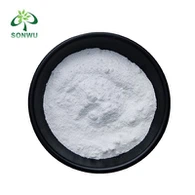


Xi'an Sonwu Biotech Co., Ltd. is one of the most professional manufacturers and suppliers of r51211 powder in China. We warmly welcome yuo to wholesale bulk r51211 powder for sale here from our factory. Quality products and reasonable price are available.
What Is Compounded Itraconazole
R51211 powder is a medication specifically formulated for use in animals to treat fungal infections. It belongs to the class of triazole antifungal agents and is commonly prescribed by veterinarians to treat various fungal conditions in dogs, cats, and other animals.
Itraconazole powder is specifically designed for veterinary use and comes in a powdered form that can be easily mixed into different formulations, such as suspensions or ointments, depending on the needs of the patient. This flexibility allows for customized dosing and administration based on the specific requirements of each animal.
The medication works by inhibiting the synthesis of ergosterol, a crucial component of fungal cell membranes, effectively preventing the growth and spread of the fungus. It has a broad spectrum of activity against different kinds of fungi, including dermatophytes, yeasts, and molds commonly found in veterinary fungal infections.
Veterinary itraconazole powder is commonly used to cure systemic fungal infections, such as blastomycosis, histoplasmosis, and cryptococcosis. It is also effective in managing superficial fungal infections like ringworm in animals.
Proper dosing and administration of itraconazole powder are essential for optimal results. The dosage is determined by the veterinarian based on the type and severity of the fungal infection, as well as the individual animal's characteristics. It is important to follow the veterinarian's instructions precisely to ensure the correct amount of medication is administered.

Certificate of Analysis
|
ANALYSIS |
SPECIFICATION |
RESULT |
|
Appearance |
White or almost white powder |
Almost white powder |
|
Identification |
IR conforms to standard |
Complies |
|
Appearance of solution |
Solution S is clear and not more intensely colored than reference solution R6 or B6 |
Complies |
|
Related substances |
|
|
|
Impurities B |
Not more than 0.3% |
Not detected |
|
Impurities G |
Not more than 0.3% |
0.1% |
|
Impurity E |
Not more than 0.2% |
Not detected |
|
Sum of impurities C and D |
Not more than 0.3% |
Not detected |
|
Unspecified impurities |
Not more than 0.10% |
0.06% |
|
Total impurities |
Not more than 0.8% |
0.3% |
|
Loss on drying |
Not more than 0.5% |
0.1% |
|
Sulfated ash |
Not more than 0.10% |
0.03% |
|
Assay |
99.0% to 101.0%(% |
99.12% |
Where To Buy Itraconazole Powder
Xi'an Sonwu has rich experience in the global trade and health industry. Credit-based and quality first is the principle of Xi'an Sonwu company. Xi'an Sonwu strictly controls product quality, so the selection starts with raw materials. In addition, we handle every detail and minimize costs so that our customers can get the most cost-effective products. Based on these, customers have given high praise to our products. So find Xi'an Sonwu BiotechCo., Ltd.
Xi'an Sonwu completely makes sure product’s quality, so sample can be supplied. Here is the quantity.
|
Form |
Sample Amount |
The Minimum of Quantity |
|
Powder |
500g |
1kg |
Customers’ Good Comment

What Is Itraconazole Used For In Animals
Itraconazole is a widely used antifungal medication in veterinary medicine. It belongs to the triazole class of drugs and is effective against a variety of fungal infections in animals. Here is a closer look at the uses of itraconazole in different species.
1. Dogs:
- Aspergillosis: Itraconazole is commonly used to treat respiratory and systemic aspergillosis in dogs, which is caused by the fungus Aspergillus. This can be a challenging infection to treat, and itraconazole is often considered the drug of choice.
- Blastomycosis: Itraconazole is an important part of the treatment regimen for blastomycosis, a systemic fungal infection caused by Blastomyces dermatitidis.
- Histoplasmosis: This fungal infection caused by Histoplasma capsulatum can affect dogs, and itraconazole is often used as a first-line treatment.
- Dermatophytosis: Itraconazole is effective against certain types of dermatophytes, which cause ringworm in dogs. It is often used as a second-line treatment when other medications are not effective or well-tolerated.
- Cryptococcosis: Itraconazole may be used to manage cryptococcal infections in dogs, particularly in cases where fluconazole is not effective or tolerated.
2. Cats:
- Cryptococcosis: Itraconazole is an important treatment option for cryptococcal infections in cats, particularly for systemic infections.
- Dermatophytosis: Similar to dogs, itraconazole can be used to treat ringworm in cats.
- Aspergillosis: In cats, itraconazole can be used to manage nasal or disseminated aspergillosis.
3. Horses:
- Systemic fungal infections: Itraconazole may be used to treat various systemic fungal infections in horses, including aspergillosis and coccidioidomycosis.
4. Birds:
- Aspergillosis: Avian species, especially birds of prey, can be susceptible to aspergillosis. Itraconazole is often used to treat this fungal infection in birds.

How Long For Itraconazole To Work In Dogs
The time it takes for R51211 powder to work in dogs can vary depending on several factors, including the type and severity of the fungal infection being treated. It is essential to understand that antifungal treatment often requires a prolonged duration to achieve a complete resolution of the infection and its associated clinical signs. Here are some key points regarding the timeframe for itraconazole to take effect in dogs:
1. Time to initial response: In some cases, dogs may show improvement within the first few days to weeks of starting itraconazole treatment. This can manifest as a reduction in clinical signs such as skin lesions, respiratory symptoms, or other manifestations of the fungal infection. However, it is important to note that visible improvement does not necessarily indicate complete eradication of the infection.
2. Treatment duration: Fungal infections in dogs typically require extended treatment periods ranging from weeks to months. The duration of treatment with itraconazole depends on various factors, including the type of fungus involved, the location and extent of the infection, and the individual response of the dog. Your veterinarian will determine the appropriate treatment duration based on these considerations.
3. Systemic fungal infections: For systemic fungal infections, such as blastomycosis, histoplasmosis, or aspergillosis, treatment with itraconazole usually lasts for several months. These infections can be challenging to treat, and it is crucial to continue the medication as prescribed by your veterinarian, even if your dog's clinical signs improve. Premature discontinuation of treatment can result in relapse or incomplete resolution of the infection.
4. Ringworm (dermatophytosis): Ringworm is a superficial fungal infection that affects the skin, hair, or nails. Treatment with itraconazole for ringworm typically lasts for several weeks to a few months. Regular monitoring of the skin and hair for clinical improvement, as well as repeated fungal cultures, are essential to ensure the infection has resolved completely.
5. Follow-up visits: During treatment with itraconazole, it is important to adhere to regular follow-up visits with your veterinarian. These visits allow for a thorough evaluation of the dog's progress, monitoring of any side effects or changes in bloodwork, and adjustment of the treatment regimen if needed.
6. Response variability: It is crucial to understand that individual dogs and different fungal infections can respond differently to itraconazole treatment. Therefore, response times may vary. Some dogs may require longer periods of treatment before significant improvement is observed, while others may respond more quickly. Patience and compliance with your veterinarian's instructions are key during this process.
Remember that successful treatment involves not only eradicating the infection but also managing any underlying predisposing factors, such as immune compromise or environmental conditions, to prevent reinfection or relapse.
Is Itraconazole Better Than Ketoconazole For Dogs
When comparing itraconazole and ketoconazole for the treatment of fungal infections in dogs, several factors need to be considered. Both medications are antifungal agents and belong to the same class of drugs, azole antifungals. However, there are some differences between them that may influence their effectiveness and appropriateness for use in dogs.
1. Spectrum of activity: Itraconazole generally has a broader spectrum of antifungal activity compared to ketoconazole. It is effective against a wide range of fungi, including Aspergillus, Blastomyces, Histoplasma, and Cryptococcus. Ketoconazole, on the other hand, is mainly effective against dermatophytes (ringworm) and Malassezia species, but it may not be as effective against systemic or opportunistic fungal infections.
2. Efficacy: In terms of efficacy, itraconazole is often considered more effective than ketoconazole for certain fungal infections in dogs. For example, aspergillosis, blastomycosis, and histoplasmosis are usually better managed with itraconazole due to its higher potency and broader spectrum of activity.
3. Safety profile: Both itraconazole and ketoconazole can have potential side effects, but itraconazole tends to be better tolerated by dogs. Ketoconazole is associated with a higher risk of adverse effects, including gastrointestinal upset, liver toxicity, decreased appetite, and drug interactions. Itraconazole, while generally safer, can still cause gastrointestinal disturbances and occasionally affect liver function. Regular monitoring is important when using either medication.
Pharmacokinetics: Itraconazole has better oral bioavailability compared to ketoconazole, meaning it is better absorbed and achieves higher levels in the bloodstream. This allows for better distribution to target tissues and enhanced therapeutic effect.

What Are The Side Effects Of Itraconazole In Dogs
Itraconazole is generally well-tolerated in dogs, but like any medication, it can have some side effects. It is important to be aware of these side effects and monitor your dog closely during treatment. Here are some possible side effects of itraconazole in dogs:
1. Gastrointestinal disturbances: The most common secon effect of itraconazole in dogs involve the gastrointestinal tract. These may include reduced appetite, vomiting, diarrhea, or soft stools. These symptoms are usually mild and transient, and they can often be managed by administering the medication with a meal or reducing the dosage.
2. Hepatotoxicity: Itraconazole has the potential to cause liver damage in some dogs. Elevated liver enzymes (e.g., alanine aminotransferase, alkaline phosphatase) may be observed on bloodwork. Monitoring liver function through regular blood tests is important during treatment. If significant liver enzyme elevations occur, discontinuation of itraconazole may be necessary.
3. Hypoadrenocorticism (Addison's disease): In rare cases, itraconazole has been associated with the development of hypoadrenocorticism in dogs. This condition results in reduced steroid hormone production by the adrenal glands. Symptoms may include lethargy, weakness, poor appetite, vomiting, weight loss, or gastrointestinal signs. If these signs occur, it is important to seek veterinary attention promptly.
4. Neurological symptoms: Although uncommon, itraconazole has been linked to neurological signs in some dogs. These can include ataxia (loss of coordination), tremors, seizures, or other abnormal behaviors. If any neurological symptoms are observed, it is crucial to contact your veterinarian immediately.
5. Allergic reactions: In rare cases, dogs may have an allergic reaction to itraconazole. Signs of an allergic reaction probably include facial swelling, hives, itching, difficulty breathing, or collapse. If your dog shows any of signs of an allergic reaction, seek immediate veterinary care.
6. Drug interactions: Itraconazole can interact with certain medications, including some antacids, anticoagulants, or other antifungal agents. It is important to inform your veterinarian about all the medications your dog is taking to avoid potential drug interactions.
Factory Environment

Certifications

Logistics Record

Except guarantee the product’s, the other most important thing is customers could receive the goods smoothly. So, Xi’an Sonwu supply all kinds of courier according to different need.

Why Choose Us
Our company has been engaged in import-export for over 10 years and has rich experience in import and export industry.
Our company has 10-year experience in product development, production and sales.
Our company has a professional team with clear division of labor.
We have professional laboratories and equipment to ensure high quality products.
Products are tested by third parties.
We provide OEM service.
We provide 7*24 customer service.
If you want to know more about R51211 powder, feel free to contact Xi'an Sonwu.
E-mail: sales@sonwu.com
Hot Tags: r51211 powder, China, suppliers, manufacturers, factory, wholesale, buy, price, bulk, pure, raw, supply, for sale, Diclazuril powder, Spinosad Powder, Toltrazuril powder, Chlortetracycline hcl, Levamisole hydrochloride powder, Selamectin powder