




What Class Of Chemotherapy Is Docetaxel
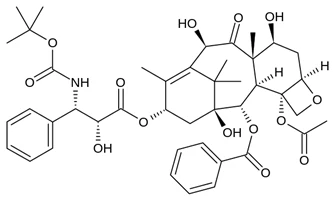
Docetaxel powder, or Potetine is a class of anti-pathological drugs belonging to paclitaxel anti-pathological drugs, which can be used to treat a variety of diseases, including breast, prostate, lung, head and neck, and lymphatic diseases. It has the same effect as paclitaxel (PTX), which is a specific drug for the M-phase cycle, which promotes the polymerization of tubules into stable microtubules and inhibits their aggregation, thereby significantly reducing the number of tubules and destroying the microtubule network structure. In vitro experiments have shown that it has cytotoxic effects on various mouse and human diseased cell lines, has a broader anti-pathological spectrum than PTX, and can weaken the effect of Bcl-2 and Bcl-xL gene expression. The mechanism of potetine mainly plays a role by inhibiting cell division and apoptosis, reducing the growth and spread of diseased cells to achieve anti-pathological changes. If you are interested in pure docetaxel, Xi'an Sonwu can provide it.
What Does Docetaxel Therapy Do
It may be used as adjuvant chemotherapy in the early stage to prevent recurrence and spread. In the middle and late stages, potetine may be used as the primary treatment to help control the growth of diseased cells, relieve symptoms, and prolong the survival of patients.
Breast disease: Potetinecan be used in adjuvant chemotherapy, neoadjuvant chemotherapy, and advanced or metastatic breast disease.
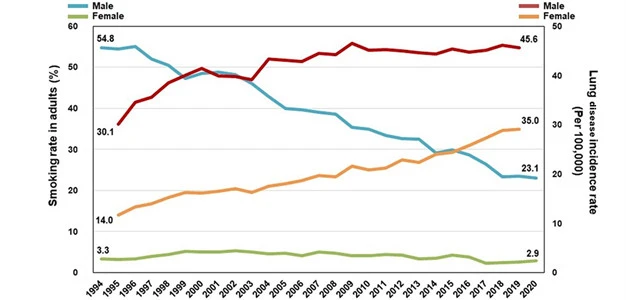
Non-Small Cell Lung Disease: In the treatment of NSCLC, potetine is usually used as part of first-line chemotherapy or maintenance therapy in advanced or metastatic NSCLC.
Prostate disease: It may be used to treat advanced or metastatic prostate disease, usually in combination with hormone therapy.
Stomach disease: In treating gastric disease, potetine is often used with other chemotherapy drugs as a preoperative or treatment plan for patients with advanced gastric illness.
The main target of docetaxel is microtubules. Microtubules are structural proteins within cells essential for cell division, transport of materials, and maintenance of cell shape. Specifically, potetine binds to the β-tubulin subunit of microtubules, preventing the regulation of microtubule dynamic instability, resulting in stable microtubule fiber formation. That prevents diseased cells from properly segregating chromosomes and remains in the early stages of mitosis, eventually leading to apoptosis or death.
What Is A Bad Reaction To Docetaxel
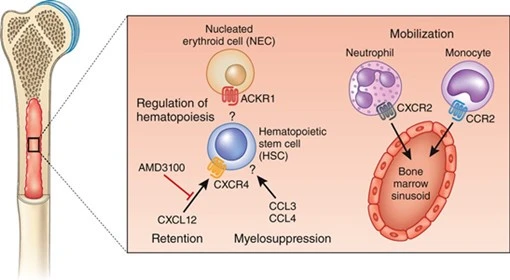
1. Myelosuppression
The dose-limiting toxicity is neutropenia. Unlike PTX, leukopenia is dose-dependent rather than time-dependent.
2. Allergic reactions
The incidence rate is significantly lower than that of PTX. Mild allergic reactions are manifested as itching, flushing, rash, drug fever, chills, etc.
3. Fluid retention and edema
Capillary permeability increases, and body weight increases. When the cumulative dose reaches 400mg/m, fluid retention may occur in the lower extremities and even develop into systemic edema. The body weight may increase by more than 3kg. Generally, the fluid retention will gradually disappear after stopping treatment. Pleural effusion and pericardial effusion may occur in very few patients.
4. Skin reactions
It is mainly seen on the hands and feet, but also on the face, arms, and chest. It may be accompanied by itching. It usually occurs within one week after taking the medicine and can recover before the subsequent treatment. Some patients may experience finger (toe) nail changes, pigmentation, and even finger (toe) nail loss.

What Is The Formulation Of Docetaxel
It is often used with other medications to enhance treatment or reduce side effects. Here are some common drug combinations that docetaxel is used in combination with:
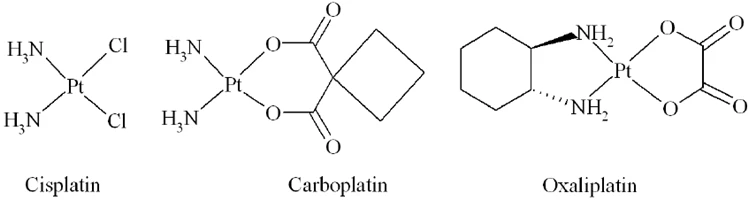
1. Potetine + cisplatin: This combination therapy is often used to treat non-small cell lung and esophageal diseases.
2. Potetine + capecitabine: This is a combined treatment plan for breast and stomach diseases.
3. Potetine + trastuzumab: This combination is suitable for patients with HER2-positive breast disease and can improve the therapeutic effect.
4. Potetine + fluorouracil + epirubicin + cyclophosphamide: This is a commonly used breast disease chemotherapy regimen known as FEC-D.
5. Potetine + cabazitaxel: This combination therapy is often used in the late treatment of refractory prostate disease.
What Are The Doses Of Docetaxel
Here are some typical dosage ranges:
Non-small cell lung disease: usually 60-100 mg/m² every three weeks.
Breast disease: usually once every three weeks, with a dose of 75-100 mg/m² each time.
Prostate disease: usually once every three weeks, with an amount of 60-75 mg/m² each time.
Stomach problems: usually once every three weeks, with an amount of 75 mg/m² each time.
In addition, when it is used in combination with cisplatin, it is advisable to use this product first and then cisplatin so as not to reduce the clearance rate of this product; when it is used in combination with encyclic drugs, the order of administration is opposite to the above, and it is advisable to give anthracycline first Give this product after the cure.
The above are some notes on the use of docetaxel. If you are interested in this kind of product, want to buy it, or have other questions about the product, if you have any questions, please click on the mail, and Xi'an Sonwu will provide good suggestions or solve your problems.
Email: sales@sonwu.com