




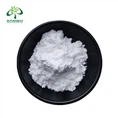
Have you ever wanted to quickly build muscle and strength without suffering the side effects of traditional steroids? Let's explore the numerous potential benefits of RAD 140 and compare it with similar products, such as LGD-4033, to help readers gain a more comprehensive understanding of the substance's properties and application prospects.
What RAD 140 Is
RAD 140 capsules, also known as testosterone capsules, are selective androgen receptor modulators (SARMs) developed initially to treat age-related conditions. They help improve athletic performance (such as in cases of muscular dystrophy and may help support muscle health caused by specific diseased cell populations. Due to its ability to increase lean muscle mass and enhance strength, it has attracted widespread attention from bodybuilders and sports enthusiasts. The Primary Purpose of studying this Product is to provide an alternative to traditional anabolic steroids and reduce adverse effects on specific organs such as the prostate and liver. RAD 140 has a high affinity for androgen receptors but exhibits greater selectivity, primarily targeting tissues such as muscle and bone. It promotes muscle growth and bone health by binding to androgen receptors and activating specific genes, while avoiding unwanted adverse effects on tissues. If you are interested in RAD 140, Xian Sonwu looks forward to your reply.

What Are The Benefits Of RAD 140
RAD 140 belongs to a new generation of function-directed compounds. These substances are designed to mimic some of the muscle-growth-promoting effects of anabolic steroids. Still, with greater tissue selectivity-that is, primarily acting on muscle and skeletal tissue while minimising androgenic impact on organs such as the prostate and gonads.
The following are the potential benefits and related scientific evidence summarised based on existing scientific research and clinical reports:
1. Promotes Lean Body Mass Increase
Animal studies have shown that this compound effectively activates androgen receptors in skeletal muscle, promoting and increasing protein synthesis. Limited human data indicate that subjects can experience a significant increase in lean body mass within weeks, accompanied by minimal fat accumulation.
2. Enhances Strength and Athletic Performance
Preclinical studies and user feedback suggest that using this compound can significantly enhance muscle strength and explosiveness during training cycles, enabling users to break through strength plateaus and improve endurance during high-intensity exercise.
3. Assists in Fat Metabolism
It can indirectly promote body fat reduction through two pathways: first, by increasing muscle mass to raise basal metabolic rate; second, by regulating energy-metabolism pathways and promoting fat oxidation. In practical applications, it is often used in combination with metabolic regulators such as Cardarine (a selective androgen receptor modulator).
4. Improved Bone Health
Preclinical studies have demonstrated that this Product has an activating effect on osteoblasts, thereby increasing bone mineral density and the strength of trabecular microstructure, making it particularly suitable for individuals experiencing bone loss due to ageing or hormonal imbalances.
5. Neuroprotective Potential
This Product can reduce neuronal apoptosis and improve cognitive function, providing a new direction for research on neurodegenerative diseases.
6. Reduced Risk of Androgen-Related Side Effects
Compared to testosterone or anabolic steroids, this Product has minimal (but not none) effects on the prostate, hairline, and skin.

What Is The Difference Between RAD 140 And LGD-4033
RAD 140 and LGD-4033 are both SARMs (selective androgen receptor modulators), but they differ in potency, effects, and clinical applications.
Similarities:
From a mechanism-of-action perspective (similar core principles), both selectively bind to androgen receptors in muscle and skeletal tissues. They stimulate anabolism (muscle growth) activity without strongly affecting androgen-producing tissues such as the prostate (male sexual characteristics). They aim to mimic the muscle-growth effects of testosterone while minimising side effects.
The main differences between the two are as follows:
1. In terms of anabolic intensity and muscle growth pattern, this Product differs significantly from LGD-4033. This Product is widely regarded as one of the most potent selective androgen receptor modulators (SARMs) currently available, boasting a powerful anabolic effect that promotes rapid lean body mass gain; therefore, it is often used to achieve significant muscle growth in a short period.
In contrast, while LGD-4033 is also a medium-to-high potency SARM, its muscle growth pattern is more gradual and stable, resulting in a slightly slower but more sustained increase in lean body mass, making it more suitable for users who want to build muscle steadily.
2. Androgen activity also differs.
RAD 140 exhibits relatively high androgenic activity, which may contribute to its potent anabolic capacity.
LGD-4033 has lower androgen activity, meaning it typically causes mild to moderate testosterone suppression. It is gentler on the endocrine system and is generally recommended for first-time SARM users.
3. Focus on Body Composition Remodelling
This Product excels in fat loss and improving body composition, making it ideal for building muscle while simultaneously remodelling body fat for a leaner physique.
LGD-4033, on the other hand, has a moderate effect in this regard, focusing more on pure lean body mass gain, making it a reliable choice for traditional muscle-building cycles.
4. Pharmacokinetics and Duration of Use
RAD 140 has a shorter half-life, approximately 16-20 hours. LGD-4033 has a longer half-life, approximately 24-36 hours, allowing for longer treatment cycles.
5. Clinical Research Direction
The potential clinical applications of the two reflect their differences in characteristics. Research on RAD 140 focuses more on areas related to muscle atrophy,
while LGD-4033 is being explored for addressing muscle loss associated with ageing and disease.

Would you like pricing for RAD 140 capsules, or do you have any product-related questions? Please get in touch with Xi'an Sonwu directly.
Email: sales@sonwu.com
Reference:https://swolverine.com/blogs/blog/rad-140-vs-lgd-4033-ligandrol-which-sarm-builds-more-muscle?