




Looking to boost your metabolic health? This article explores O-304, a potent synthetic AMPK activator derived from berberine, for its role in activating autophagy, supporting mitochondrial health, and its potential applications in metabolic disease, cardiovascular protection, and longevity research.
What O-304 Is
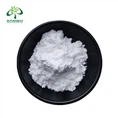
O-304 powder is an experimental AMPK activator (also known as 14-hydroxyberberine) currently being investigated for its potential to mimic the effects of exercise and calorie restriction by activating the key metabolic enzyme AMPK. Studies have shown positive effects on blood glucose levels, insulin resistance, and cardiac function in animal models and clinical trials. It promotes muscle glucose uptake and utilization for energy, thereby lowering blood glucose levels. It also improves the body's sensitivity to insulin. Furthermore, it encourages the breakdown of stored fat for energy and enhances fat burning. It also stimulates the formation of new mitochondria (the cell's "energy factories"), thereby improving overall energy efficiency. It also activates autophagy, clearing damaged cells and components-a key aspect of longevity research. It essentially induces the body into a beneficial metabolic state, similar to the state immediately following exercise or fasting. If you are interested in O-304, please feel free to contact Xi'an Sonwu.

What Is The Mechanism Of Action Of O-304
The mechanisms of action demonstrated in cell and animal models for O-304 are profound and comprehensive. First, in vivo studies have shown that it significantly improves glucose homeostasis and β-cell function. For example, in diet-induced obese (DIO) mice, oral administration of it significantly reduced fasting blood glucose and insulin levels. HOMA-IR (homeostasis model assessment of insulin resistance) improved considerably, indicating improved insulin sensitivity. This effect was even more pronounced when combined with metformin. Furthermore, in a Phase IIa clinical trial in patients with T2D, it not only improved glucose homeostasis but also significantly enhanced peripheral microcirculatory function, including skin microvascular perfusion, a common mechanism underlying the severe consequences of T2D.
Furthermore, it has profound effects on cardiovascular and exercise endurance in aged mice. Studies have found that aged mice fed it showed significantly improved cardiac function indicators, such as cardiac output, ejection fraction, and infarct volume, compared to the control group. This improvement was also accompanied by reduced insulin resistance and hyperinsulinemia, reflecting its potential to promote cardiac metabolism, energy utilization, and overall metabolic homeostasis. In aging models, it also demonstrated significant improvements in skeletal muscle glucose uptake, as assessed by PET, accompanied by increases in p-ACC (ACC Ser79) levels and decreases in TXNIP expression, suggesting a potent role in promoting metabolic adaptation and enhancing muscle energy utilization.

In cellular experiments, O-304 has also been observed to promote autophagy and alleviate mitochondrial dysfunction. For example, in a model of oxidative stress, it significantly increased the formation of LC3B-positive autophagosomes, promoting autophagic flux, and restoring the expression of key factors involved in mitochondrial biogenesis (such as PGC-1α and TFAM), reducing ROS production, and restoring mitochondrial ultrastructure, suggesting a protective role in maintaining cellular quality control and energy metabolism. Overall, it's mechanism of action spans the molecular level (AMPK activation and prevention of dephosphorylation), the cellular level (maintaining metabolic homeostasis, protecting mitochondria, and promoting autophagy), and the in vivo system (improving insulin sensitivity, cardiovascular function, exercise endurance, and aging phenotypes), presenting a comprehensive research pathway from fundamental mechanisms to overall physiological improvements. This is precisely why researchers are paying close attention to its "exercise-mimicking" potential and its dual metabolic and cardiovascular protective effects.
What Are The Applications Of O-304
O-304 has a wide range of applications, encompassing metabolic disease research, exercise physiology, cardiovascular protection, exploration of aging mechanisms, and specific pathological model studies. Firstly, in metabolic disease research, it has been widely used in mouse models (such as diet-induced obese mice) as a tool to study the effects of AMPK activation on pancreatic β-cell protection, glucose metabolism regulation, and insulin resistance. By significantly lowering blood glucose and insulin levels, increasing skeletal muscle glucose uptake, and improving HOMA-IR, O-304 provides high-quality experimental material for studying the pathogenesis and intervention strategies of metabolic syndrome and type 2 diabetes. In cardiovascular and exercise adaptation studies, it has demonstrated significant benefits. In aging mouse models, it not only improves cardiac pumping function but also enhances exercise endurance and muscle glucose utilization efficiency, making it an ideal candidate for exploring the molecular mechanisms of "exercise-mimicking effects," particularly in settings where regular exercise interventions are not possible. Furthermore, O-304's enhanced microcirculation makes it uniquely valuable for studying microvascular perfusion and circulatory disorders, particularly for investigating blood flow issues associated with diabetic complications.

From a cellular mechanistic perspective, O-304 has been widely used in experiments investigating the autophagy pathway, mitochondrial function, and cell quality control. In stress-induced cell models, it has been shown to promote autophagy, alleviate mitochondrial structural abnormalities and oxidative damage, and restore the expression of key mitochondrial factors. This opens new avenues for exploring the connection between aging, physiological stress, and metabolic homeostasis. Furthermore, its high-purity, soluble powder form, stability, and oral availability make it a preferred choice for research institutions and drug discovery agencies, both for basic biological mechanism research and early-stage drug development. In terms of study design, it can be used in controlled experiments with traditional AMPK activators (such as AICAR and metformin), enabling researchers to compare mechanisms, conduct dose-escalation studies, and analyze multi-pathway interactions. O-304 offers a research tool with pharmacological activity, chemical stability, and mechanistic clarity, enhancing the field of metabolism and aging research by making research designs more convincing and systematic.
For any questions regarding O-304 powder pricing or products, please contact us directly at Xi'an Sonwu.
Email: sales@sonwu.com
Reference:https://entheozen.com/lactobacillus-plantarum-for-gut-health-and-much-more/