




Looking for a broad-spectrum deworming medication for your pet? Consider milbemycin oxime. This article will explore its ingredients, mechanism of action, and differences from other common deworming medications to help keep your pet healthy.
What Is Milbemycin Oxime
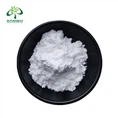
Milbemycin Oxime powder is a macrolide compound commonly used in veterinary medicine as an anthelmintic and insecticide, which is derived from a soil bacterium called Streptomyces. This drug is widely used to treat and prevent various parasitic infections in animals, especially dogs. It is effective against a variety of internal parasites, including canine heartworms, roundworms, and hookworms, as well as certain external parasites in animals such as dogs and cats. The drug works by interfering with the parasite's nervous system, paralyzing it and eventually killing it. Besides its use in pets, it is sometimes combined with other medications for more comprehensive parasite control. Compared to Ivermectin, another common antiparasitic, milbemycin oxime has a broader spectrum of activity, especially for intestinal worms. If you are interested in milbemycin oxime, please feel free to contact Xi'an Sonwu.

Is Milbemycin Oxime The Same As Ivermectin
No, Milbemycin oxime and Ivermectin are not the same drug. Although they both belong to the macrolide class of antibiotics, there are essential differences between them. Here is a detailed comparison:
Chemically, Ivermectin is derived from Streptomyces avermitilis and belongs to the avermectin subclass of macrolide antibiotics. Milbemycin, on the other hand, is derived from Streptomyces milieus and belongs to the milbemycin subclass. These differences in chemical structure give each drug unique properties.
In terms of its antibacterial spectrum, Ivermectin is widely used to treat a variety of parasitic infections, especially in cattle, horses, and other livestock. It is effective against certain internal and external parasites. However, in pets such as dogs, the effectiveness of Ivermectin in preventing heartworm disease may depend on breed and genetic factors (for example, Collies and their close relatives may be susceptible to Ivermectin).
In comparison, milbemycin has a more defined spectrum of activity for the prevention and treatment of canine heartworm. It is also effective against other canine parasites, such as whipworms, hookworms, and roundworms. It is often used in combination with other medications to ensure more comprehensive parasite control.

In terms of efficacy, milbemycin generally has more consistent protection against canine heartworm and may cause fewer side effects in susceptible breeds. However, Ivermectin remains a widely used medication, especially in areas where a broader antiparasitic effect is needed.
Veterinary use: Both medications can be used monthly to prevent heartworm infection in pets (primarily dogs), but milbemycin is often chosen when a broader spectrum of intestinal parasite control is required. Therefore, although these two medications have similar effects in preventing heartworm, their differences in chemical structure, antibacterial spectrum, and efficacy make them more suitable for treating or preventing different parasitic infections.
How Does Milbemycin Oxime Work
Milbemycin Oxime works by targeting the nervous system of parasites, particularly nematodes and arthropods, through a series of specific steps. It selectively attacks the parasite's nervous system, causing paralysis and death, while remaining relatively safe for the host animal. So, how does this drug render parasites ineffective in pets? Let's find out.
The drug's effectiveness lies in its precise, gradual attack on the nervous systems of susceptible parasites, ultimately leading to paralysis and death.
1. Precise Targeting: After the drug molecules circulate within the host and recognize their target, their action begins. They bind with astonishing precision to specific high-affinity receptor sites on the parasite's nerve and muscle cells. This is like finding a key to a lock, ensuring the drug selectively targets the intruder.
2. Opening Channels: This binding triggers a crucial and specific response: it forces the opening of glutamate-gated chloride ion channels on the parasite's cell membrane. These channels act as gatekeepers, typically regulating the flow of chloride ions (Cl⁻) and thereby controlling nerve impulses. This drug effectively blocks the opening of these channels.
3. Silent Overload (Hyperpolarization): Because these channels are blocked and cannot close, a large number of negatively charged chloride ions (Cl⁻) flood uncontrollably into the parasite's nerve and muscle cells. This sudden influx of negative charge significantly increases the potential across the cell membrane, leading to a state called hyperpolarization. In this hyperpolarized state, the cell carries an excessive negative charge and becomes sluggish-like turning a switch down to its lowest setting, preventing the light (nerve signals) from turning on. This effectively blocks the standard transmission of nerve signals.

Paralysis and Expulsion: The blockage of nerve communication has direct and severe consequences for the parasite. In the absence of contraction commands, its muscles enter a state of flaccid paralysis. The parasite loses its ability to move, feed, and maintain its connection with the host. Unable to sustain itself or resist the host's natural clearance mechanisms, the paralyzed parasite is eventually expelled or dies, thus clearing the infection from the host. This ingenious four-step mechanism highlights how the drug exploits a fundamental weakness in parasitic biology to achieve highly effective and precise treatment.
For pricing or other product information on milbemycin oxime powder, please contact Xi'an Sonwu Company.
Email: sales@sonwu.com
Reference:https://www.intechopen.com/chapters/46143