




Have you ever wondered how a simple substance can turn off pain signals or why doctors choose one anesthetic over another? Could the secret to modern relief lie in understanding the subtle differences between compounds like lidocaine and benzocaine?
What is Pure lidocaine
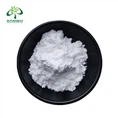
Pure Lidocaine powder is a widely used local anesthetic and antiarrhythmic drug. It primarily works by blocking sodium ion channels in nerve cells, thus preventing pain signals from reaching the brain. In pharmaceutical manufacturing, this ingredient is the active ingredient in topical creams, gels, sprays, patches, and other formulations used to relieve pain and discomfort. It is commonly used to provide temporary anesthesia for minor surgeries, dental treatments, skin irritations, burns, insect bites, and certain chronic pains. When applied topically, it typically takes effect within minutes and provides pain relief for several hours. It is important to note that lidocaine's primary function is to numb pain, not to treat the underlying cause of the injury or disease.
As with all medications, this ingredient should be used according to recommended guidelines. It is crucial to avoid overdosing. This ingredient is typically used in pharmaceutical formulation and manufacturing, not for direct consumer use. If you are interested in lidocaine, Xi'an Sonwu offers the powder form; please feel free to contact Xi'an Sonwu.

What is the difference between lidocaine and benzocaine
Lidocaine and benzocaine are both local anesthetics used to numb or reduce pain in certain medical and dental procedures. However, there are some key differences between the two:
1. Chemical Structure: Lidocaine and benzocaine belong to different classes of local anesthetics. Benzocaine is an ester-type local anesthetic, whereas lidocaine is a type of amide. These distinctions in substance design can influence their properties and how they work.

2. Onset and Duration of Action: Lidocaine generally has a faster onset of action compared to benzocaine, meaning it takes effect more quickly. Lidocaine likewise has a more extended term of activity compared to benzocaine, giving longer-lasting relief from discomfort.
3. Medical Uses: Lidocaine is commonly used in various medical procedures, including dental work, minor skin surgeries, and cardiac treatments, such as preventing arrhythmias during cardiac procedures. Benzocaine is commonly used as a topical anesthetic for minor skin irritations, insect bites, and oral conditions such as sore gums and toothaches.
4. Availability: Lidocaine is accessible in different forms, including injectable solutions, creams, gels, treatments, and patches. Benzocaine is primarily found in over-the-counter skin products such as creams, gels, sprays, and tablets.

5. Allergy Risk: Both lidocaine and benzocaine can cause allergic reactions, but benzocaine is more likely to cause allergic reactions than lidocaine. This is one motivation behind why benzocaine is all the more usually tracked down in over-the-counter items, while lidocaine is many times utilized in clinical settings under proficient watch.
It is essential to keep in mind that both benzocaine and lidocaine should only be used under the supervision of a medical professional. Abuse or inordinate utilization of these nearby sedatives can prompt unfavorable impacts. If you have different types of feedback about their use, it's best to speak with a medical services provider for appropriate guidance and use guidelines.
Is lidocaine safe to use
When used appropriately and as directed by a healthcare professional, lidocaine is generally considered safe. It is a commonly used local anesthetic and has a long history of safe use in clinical and dental procedures. Notwithstanding, similar to any prescription, lidocaine conveys a few expected dangers and secondary effects, especially when abused or utilized improperly. It's vital to understand and follow the recommended measurements and guidelines for use.
Some potential risks and side effects associated with lidocaine use include:
1. Allergic reactions: While rare, some individuals may be allergic to lidocaine or have hypersensitivity reactions. If you experience side effects like rash, tingling, swelling, discombobulation, or trouble breathing in the wake of utilizing lidocaine, look for sure-fire clinical attention.

2. Localized reactions: Lidocaine may cause temporary skin reactions at the site of application, such as redness, swelling, itching, or numbness. These side effects are usually mild and resolve on their own.
3. Systemic toxicity: If lidocaine is absorbed into the bloodstream in significant amounts, it can potentially cause systemic toxicity. Side effects might incorporate dazedness, unsteadiness, disarray, seizures, irregular heartbeat, and, surprisingly, heart failure. This is more likely to happen if a person uses lidocaine improperly, takes too much of it, or has certain underlying health conditions.
Utilizing lidocaine under the direction of a medical care professional or as directed by a clinical expert is significant. They can help determine the proper measurements and use for your specific conditions, and ensure it is used securely. If you experience any unsettling secondary effects or have any different kinds of feedback about lidocaine use, it's ideal to talk with a medical services provider for guidance and counsel.
If you want to know more about this product, feel free to contact Xi'an Sonwu.
Email: sales@sonwu.com
References:https://rcchemsupply.net/2023/06/09/purchase-benzocaine-powder-online/