




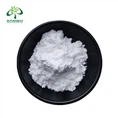
What Is the Difference Between ATP and ATP Disodium Salt
Here are some of the key differences between Adenosine Triphosphate Disodium(ATP Disodium Salt) and ATP:
1. Chemical Structure: ATP is a naturally occurring nucleotide that consists of three phosphate groups, a ribose sugar molecule, and an adenine base. In contrast, ATP disodium salt is a modified form of ATP where the free proton from the phosphate group is replaced with sodium ions, resulting in the formation of a salt.
2. Stability and Solubility: ATP is relatively unstable and can be easily degraded by enzymes in biological systems. On the other hand, ATP disodium salt is more stable and less susceptible to enzymatic degradation. The addition of sodium ions in the salt form improves the compound's solubility in water, making it easier to handle and use in laboratory settings.
3. Storage and Handling: Due to its stability and enhanced solubility, ATP disodium salt can be stored for longer periods without significant degradation compared to ATP. The salt form also facilitates the preparation of concentrated stock solutions, which can be stored and diluted as needed for experimental purposes.
4. Experimental Use: ATP disodium salt is commonly utilized in various research applications, such as cell culture, enzymatic assays, and biochemical experiments. Its increased stability and solubility make it easier to measure and manipulate in laboratory settings. ATP disodium salt can be added to cell culture media to provide an exogenous source of ATP or used to study ATP-dependent processes, such as enzymatic reactions and cellular signaling pathways.
5. Biological Significance: ATP is a crucial molecule in living organisms as the primary energy currency of the cell. It is involved in numerous biochemical processes, including the storage and transfer of energy for cellular functions. ATP disodium salt, as a modified form of ATP, can serve as a surrogate for ATP in certain experimental conditions to study energy metabolism, signaling cascades, and other related processes.
Adenosine 5'-triphosphate disodium Benefits
Adenosine 5'-triphosphate disodium (ATP disodium) is a modified form of ATP (adenosine triphosphate), where the free proton from the phosphate groups is replaced with sodium ions. This modification enhances the stability and solubility of ATP, making it easier to handle in various applications. Here are some potential benefits of ATP disodium:
1. Energy Production: ATP disodium plays a crucial role in energy production within cells. As the primary energy currency of the body, ATP is involved in various biochemical processes, such as muscle contraction, enzyme reactions, and nerve signal transmission. By providing an exogenous source of ATP, ATP disodium can supplement the body's natural ATP pool and support energy production.
2. Enhanced Exercise Performance: Supplementing with ATP disodium has been suggested to improve exercise performance, particularly during high-intensity, short-duration activities. ATP is rapidly utilized by muscles to produce energy, and by supplying additional ATP, ATP disodium may help support ATP levels during intense workouts, potentially leading to enhanced power output, strength, and endurance.
3. Muscle Recovery and Repair: ATP disodium may have positive effects on muscle recovery and repair. During intense exercise, muscle ATP levels can become depleted. Supplementing with ATP disodium can aid in replenishing ATP stores, promoting faster recovery and reducing muscle fatigue. Additionally, ATP is involved in protein synthesis, which is crucial for muscle growth and repair. By supporting ATP availability, ATP disodium may contribute to muscle recovery and repair processes.

4. Cognitive Function: ATP is not only essential for physical energy but also plays a role in brain function. The brain requires ATP to maintain normal cognitive processes, including thinking, learning, and memory formation. Some research suggests that ATP disodium supplementation may positively impact cognitive function by supporting ATP availability in the brain.
5. Cardioprotective Effects: ATP plays a critical role in maintaining heart function, and ATP depletion can lead to cardiac dysfunction. Studies have suggested that ATP disodium may have cardioprotective effects by improving ATP levels and promoting heart muscle function. By supporting energy metabolism in cardiac cells, ATP disodium may help protect against heart-related conditions.
6. Antioxidant Properties: ATP disodium has demonstrated antioxidant properties, which can help reduce oxidative stress and cellular damage caused by free radicals. Oxidative stress is associated with various chronic diseases and aging processes. By scavenging free radicals and enhancing antioxidant defense mechanisms, ATP disodium may provide protection against oxidative damage.

7. Skin Health: ATP has been increasingly explored for its potential benefits in skincare. It is believed to support cellular energy production in skin cells, aiding in the rejuvenation and repair processes. By enhancing ATP availability, ATP disodium may improve skin health, including promoting collagen synthesis, reducing wrinkles, and improving overall skin appearance.
Mechanism of action of adenosine triphosphate disodium
Here are the mechanism of action of ATP disodium:
1. Energy Production: ATP disodium is a modified form of adenosine triphosphate (ATP), which is known as the "energy currency" of cells. The primary role of ATP disodium is to provide the necessary energy for various cellular processes and biochemical reactions. The mechanism begins with the breakdown of ATP disodium into adenosine diphosphate (ADP) and inorganic phosphate (Pi), releasing energy.
2. ATP-Dependent Enzyme Reactions: ATP disodium serves as a coenzyme for numerous ATP-dependent enzymes. When ATP disodium is hydrolyzed, the energy released is utilized by these enzymes to drive essential reactions in cells. These reactions include protein synthesis, DNA replication, ion transport across membranes, and cellular signaling pathways.
3. Ion Pumping: ATP disodium plays a critical role in transporting ions across cell membranes through ATP-dependent ion pumps. These pumps maintain the ion concentration gradients necessary for proper cellular functioning. For example, the sodium-potassium (Na+/K+) ATPase pump uses the energy from ATP hydrolysis to pump sodium ions out of the cell and potassium ions into the cell, generating an electrochemical gradient.
4. Muscle Contraction: ATP disodium is vital for muscle contraction. During muscle contraction, ATP disodium binds to myosin heads in the muscle fibers, allowing them to detach from actin and reset for the next contraction. This ATP hydrolysis process provides the energy required for muscle contraction and relaxation.
5. Nerve Signal Transmission: ATP disodium participates in the transmission and propagation of nerve signals. In neurons, ATP disodium is involved in the release of neurotransmitters from synaptic vesicles, allowing the transmission of signals across the synapse. Additionally, ATP disodium acts as a neurotransmitter itself, being released into the extracellular space to activate purinergic receptors and modulate neuronal activity.
6. Other Cellular Processes: ATP disodium is involved in a range of other cellular processes. It is required for active transport processes, such as the transport of glucose across cell membranes. ATP disodium is also essential for DNA and RNA synthesis, as well as for maintaining the structural integrity of cell membranes.
7. ATP Regeneration: In addition to its role as an energy molecule, ATP disodium contributes to the regeneration of ATP in cells. By providing an exogenous source of ATP, ATP disodium can replenish the ATP pool in situations of increased energy demands or when endogenous ATP levels are depleted. This regeneration helps sustain energy production and cellular function.
If you are interested in our company's adenosine triphosphate disodium, please contact Xi'an Sonwu Biotech Co. Ltd.
Email: sales@sonwu.com