




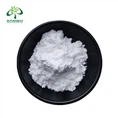
Have you heard of the small-molecule compound KY19382? In regenerative medicine and dermatology research, it has demonstrated the potential to promote hair growth, induce the formation of new hair follicles, accelerate wound healing, and even regulate bone metabolism.
What is KY19382
KY19382 powder is a small-molecule compound that has garnered significant attention within the fields of regenerative medicine and dermatological research. Primarily developed by researchers at Yonsei University in South Korea, this compound is regarded as a potential therapeutic agent for treating hair loss and promoting skin regeneration. The compound exerts its effects by targeting two specific signaling pathways within the body-pathways primarily responsible for regulating cell growth and tissue regeneration. Activation of the Wnt/β-catenin Pathway: KY19382 stabilizes β-catenin by inhibiting its interaction with the protein CXXC5. The Wnt pathway is critical for the development of hair follicles and the maintenance of skin stem cells. Inhibition of GSK-3β: The compound also inhibits Glycogen Synthase Kinase-3β (GSK-3β). By blocking this enzyme's activity, it further facilitates the signaling cascades necessary for hair follicle regeneration and wound healing. These studies have revealed a range of potential applications for this compound: Promotion of Hair Growth: In mouse models, the topical application of this compound has been demonstrated to induce the "anagen phase"-the active growth phase-of the hair growth cycle. If you are interested in KY19382, please feel free to contact Xi'an Sonwu.

What does KY19382 do
KY19382 is a small-molecule compound possessing potent regenerative properties. Its primary function lies in "rebooting" the body's natural signaling mechanisms responsible for tissue repair and growth-specifically by activating the Wnt/β-catenin pathway.
From a more technical perspective, it acts as a dual inhibitor, specifically targeting two distinct "impediments" within the cell:
1. Blocking the interaction between CXXC5 and Dvl
In many aging or diseased tissues, a protein called CXXC5 binds to another protein, Dishevelled (Dvl), thereby acting as a "brake" to suppress Wnt pathway activity. KY19382 physically disrupts this binding process, effectively "releasing the brake" and allowing the body to reactivate tissue regeneration.

2. Inhibiting GSK-3β
It also blocks the activity of Glycogen Synthase Kinase 3β (GSK-3β)-an enzyme typically responsible for degrading the β-catenin protein. By preventing this degradation, KY19382 increases β-catenin levels, which, in turn, sends a strong signal to the cell nucleus, thereby triggering cell division and growth.
What are the research findings regarding KY19382
It is currently recognized as one of the most potent small-molecule activators of the Wnt/β-catenin pathway under investigation. By simultaneously blocking the CXXC5-DVL interaction and inhibiting GSK-3β, it has demonstrated regenerative effects in laboratory models-effects that often surpass those of standard therapies.
The key research findings are categorized as follows:
1. Hair Growth and Follicle Neogenesis
This represents the most extensively documented and well-supported area of research on KY19382.
Follicle Neogenesis: Unlike many therapies that merely stimulate existing hair, this compound has been proven in wound-induced mouse models to possess the ability to induce *de novo* (new) hair follicle neogenesis-that is, the generation of entirely new hair follicles.
Superiority over Minoxidil: In comparative studies, mice treated topically with this compound exhibited faster and more robust hair regeneration results than those treated with 5% minoxidil.
Diabetes-Related Hair Loss: Recent studies published between 2024 and 2025 indicate that this compound can restore hair regenerative capacity in diabetic models, in which high blood glucose levels typically suppress Wnt signaling, which is essential for hair growth.

2. Longitudinal Bone Growth
It has demonstrated immense potential in the fields of skeletal development and bone health:
Increased Bone Length: In animal studies, daily administration of the compound increased the length of mouse tibias by promoting chondrocyte proliferation and differentiation (the cells that constitute cartilage).
Delaying Senescence: It effectively delays "growth plate senescence," signaling its potential future utility in treating growth disorders or age-related bone density loss.
3. Accelerated Wound Healing
Dermatological research findings indicate that this compound can significantly accelerate the skin tissue repair process:
Cell Migration: It enhances the migratory capacity of human keratinocytes and dermal fibroblasts-two cell types that are critical for wound closure. Structural Repair: Studies indicate that this compound promotes increased collagen deposition and accelerated epithelial regeneration, leading to more rapid and thorough skin recovery compared with untreated controls.
4. Metabolic and Anti-Tumor Potential
Recent research findings have expanded the potential scope of this compound's applications:
Obesity and Metabolism: Existing evidence suggests that, within models of metabolic disease, this compound is capable of reducing adipocyte volume and exerting anti-inflammatory effects.
Although this compound primarily functions as a growth activator, certain studies suggest that, by modulating specific signaling pathways, it may actually inhibit the progression of certain skin-related lesions; this mechanism involves downregulating the expression of cell-cycle proteins, such as CDK1.
For pricing details on KY19382 powder or additional product information, please feel free to reach out directly to Xi'an Sonwu.
Email: sales@sonwu.com