




Are you curious about how tiny synthetic peptides like pinealon affect sleep rhythms, protect brain cells, and even influence gene activity? They have attracted considerable attention due to their potential neuroprotective and brain function-regulating properties. Researchers are interested in their potential roles in supporting cognition, slowing brain aging, enhancing antioxidant defenses, and promoting recovery after neurological injury. This article will begin by exploring these aspects.
What is Pinealon
Pinealon peptide is a synthetic short peptide, a prime example of the Russian "regulatory peptide" research system. Its name derives from the concept of "pineal gland + peptide," initially coined by a biomedical research team in St. Petersburg, Russia, to mimic and influence endogenous signaling peptides involved in neural regulation and aging control. Unlike many long-chain bioactive peptides, the EDR peptide is extremely short, theoretically making it easier to absorb, diffuse, and interact with cellular receptors or signaling pathways in vivo.
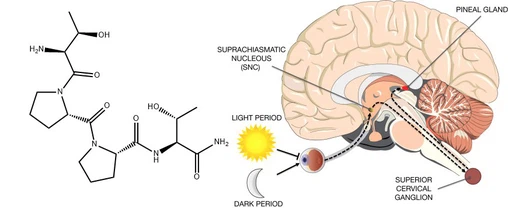
At the molecular level, Pinealon is a tripeptide (short amino acid sequence) with a simple structure but complex biological functions. Researchers believe it can modulate regulatory pathways in the nervous system, influencing neuronal metabolism, synaptic plasticity, and cellular energy balance. EDR peptide is classified as a "neuroprotective/neuromodulatory peptide" because some experimental studies suggest it may help enhance brain cell tolerance to hypoxia, oxidative stress, or metabolic stress.
In Russia and some Eastern European countries, this product has been investigated to explore its potential uses in neurological damage, cognitive decline, and brain function. For example, it is used as an adjunct therapy for certain neurological diseases, as a rehabilitation treatment after cerebrovascular disease, and as an intervention for age-related cognitive decline.
This product is believed to influence neuroinflammatory responses, improve mitochondrial function, reduce oxidative stress, and regulate neurotransmitter balance. It does not directly treat a specific disease but is considered an "environmental optimizer" for neurons. In other words, it is more like a functional modulator than a traditional drug targeting a specific cause. For pricing or product information, please contact Xi'an Sonwu.
What are the uses of pinealon
Pinealon peptides are short-chain synthetic peptides currently being studied primarily for their potential effects on brain function and aging. They are mainly used in research or laboratory settings. Therefore, they are classified as research or experimental compounds.
In terms of cognitive support, this compound is associated with potential improvements in memory, learning ability, attention span, and overall cognitive clarity. Because of its potential role in supporting brain function and delaying age-related cognitive decline, it is sometimes classified as a nootropic peptide.
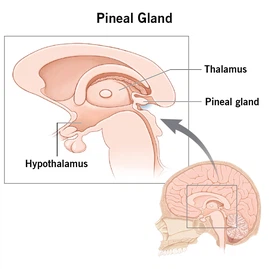
Regarding sleep and circadian rhythms, it is thought to act on the pineal gland, which regulates melatonin production. Through this mechanism, it may help stabilize the sleep-wake cycle and indirectly improve sleep quality, although it does not have a direct sedative effect.
In terms of neuroprotection, early research suggests that it may help protect neurons from damage, support brain cell repair, and influence biological pathways associated with cellular aging. These effects contribute to research on its role in maintaining long-term brain health.
In the field of anti-aging, the potential of melatonin to promote healthy brain aging and regulate neuroendocrine function has been explored. However, these effects are still in the theoretical stage and require more rigorous scientific verification.
Therefore, melatonin is mainly used in experimental or research settings for cognitive enhancement, sleep regulation, neuroprotection, and anti-aging.
How does Pinealon work
Pinealon is a short synthetic peptide thought to act mainly on the pineal gland and brain cells. Its mechanism isn't fully proven, but current research suggests a few key ways it may work:
1. Regulation of Melatonin and Circadian Rhythms
This compound is thought to be related to the melatonin regulatory system. Melatonin is a key hormone secreted by the pineal gland that regulates the sleep-wake cycle. Melatonin may help stabilize circadian rhythms by supporting pineal gland activity and melatonin signaling, promoting more regular sleep-wake patterns, and indirectly improving sleep quality. Some researchers also believe that better circadian rhythm regulation may have broader effects on energy levels, mood stability, and cognitive abilities, although these effects remain theoretical.
2. Regulation of Gene Expression
A relatively unique (and still theoretical) mechanism of melatonin is its ability to bind to specific regions of DNA, thereby regulating genes involved in cellular function, aging, and repair. This is primarily based on early laboratory studies.
3. Neuroprotective Effects
Studies suggest that melatonin may help protect neurons from damage or stress, support cell survival and repair processes, and improve overall brain resilience.
4. Cellular Metabolic Support
It may also affect how brain cells utilize energy, cope with oxidative stress, and maintain normal function. It is believed to work by supporting pineal gland function, regulating melatonin, and influencing cellular and genetic processes in the brain.
If you would like to inquire about the price of the Pinealon peptide or other product information, please contact Xi'an Sonwu directly.
Email: sales@sonwu.com