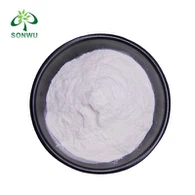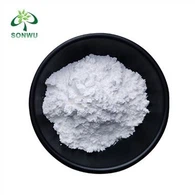

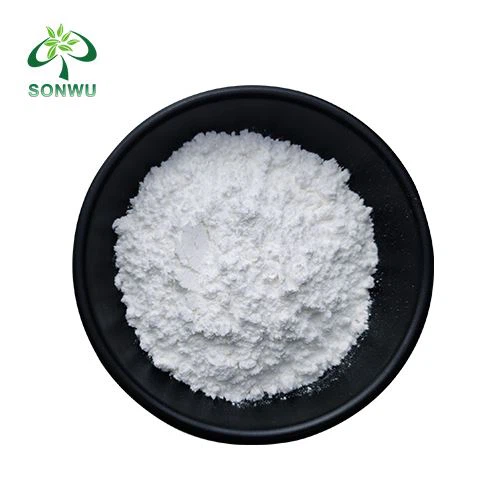

Xi'an Sonwu Biotech Co., Ltd. is one of the most professional manufacturers and suppliers of pinealon peptide in China. We warmly welcome yuo to wholesale bulk pinealon peptide for sale here from our factory. Quality products and reasonable price are available.
What Is Pinealon
Pinealon Peptide is a synthetically produced short peptide compound, a representative example of the Russian "regulatory peptide" research system. Its name comes from the idea of "pineal gland + peptide," which was first created by a biomedical research team in St. Petersburg, Russia, with the intention of imitating or influencing endogenous signaling peptides linked to neurological regulation and aging control. Unlike many long-chain bioactive peptides, EDR peptide is an extremely short peptide, theoretically making it more easily absorbed, diffused, and interacting with cellular receptors or signaling pathways in vivo.
At the molecular level, pinealon is described as a tripeptide (short-sequence amino acid peptide) with a very simple structure but possessing complex biological functions. Researchers believe it can act on regulatory pathways related to the nervous system, affecting neuronal metabolism, synaptic plasticity, and cellular energy balance. EDR peptide is categorized as a "neuroprotective/neuromodulatory peptide" because some experimental research indicates that it may assist increase brain cell tolerance to hypoxia, oxidative stress, or metabolic stress.

In Russia and certain Eastern European nations, this product has been investigated for potential uses in neurological injury, cognitive decline, and brain function. For example, it has been studied as an adjuvant treatment for some neurological illnesses, rehabilitation after cerebrovascular diseases, and age-related cognitive decline.
This product is believed to have the ability to influence neuroinflammatory responses, improve mitochondrial function, lower oxidative stress, and regulate neurotransmitter balance. Rather than directly curing a particular illness, these effects are thought to be "environmental optimization" of neurons. In other words, it is more like a functional modulator than a classic drug targeting a specific cause.
Certificate Of Analysis
|
Characteristic/method |
Specification |
Result |
|
Aρpearance |
White Powder |
Conforms |
|
Solubility |
Soluble in water |
Conforms |
|
Assay |
≥98% |
99.46% |
|
Conclusion |
Conforming to Enterprise Standard |
|
Where To Buy Pinealon
Xi'an Sonwu Biotech Co. Ltd. has rich experience in the global trade and health industry. Insisting on faith-based and quality first is our company's principle. We strictly control product quality, which means selection starts from raw materials. Besides, we handle every detail and reduce the cost to the maximum extent, then our customers can get cost-effective products. Based on these, customers have given much good feedback to our products. So you can look for Xi'an Sonwu Biotech Co. Ltd. when you want to buy Pinealon Powder.
Xi'an Sonwu completely makes sure of the product's quality, so samples can be supplied. Here is the quantity.
|
Form |
Sample Amount |
The Minimum of Quantity |
|
Powder |
5g |
10g |
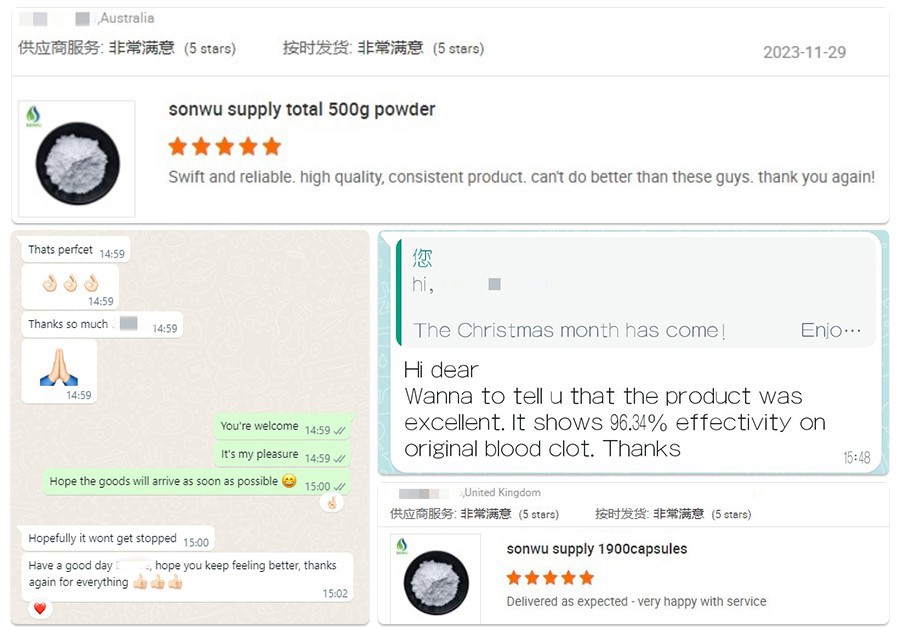
Customers' Good Comment
What Does The Pinealon Do
The main description of Pinealon Peptide is that it is a neuroprotective and neuromodulatory peptide. Instead of directly activating or inhibiting neuronal activity, it is thought to work on the central nervous system via regulating it. EDR peptide helps regulate neuronal activity under stressors including hypoxia, oxidative stress, or metabolic imbalances, according to experimental research. According to researchers, it increases brain cells' resilience, reducing their vulnerability to ischemia (decreased blood flow), neuroinflammation, and aging. It is believed to improve the internal environment of neurons, enabling them to work more effectively, rather than "activate" the brain way a stimulant does.
EDR peptide has also been linked to cognition and memory assistance in preclinical research and a small number of clinical observations. According to some research, this product may improve memory, attention, and learning capacity, particularly in older persons or those experiencing mild cognitive impairment. The proposed mechanisms involve enhanced synaptic plasticity (i.e., the ability of neurons to form and strengthen connections) and improved neurotransmitter balance. However, these effects are primarily supported by small-scale studies and animal models, rather than large international clinical trials.

Another key function is resistance to oxidative stress and cellular senescence. It is thought to have an impact on mitochondrial function, which helps brain cells generate energy more effectively while lowering the build-up of reactive oxygen species (ROS). Because of this, some scientists have categorized this as a neuropeptide with possible "anti-aging" qualities. By lowering chronic cellular stress, it delays age-related neuronal degeneration rather than reversing aging.
EDR peptide has also been used in studies of brain injury and ischemic diseases. In animal models of stroke or reduced cerebral blood flow, administration of pinealon has been reported to reduce neuronal damage and promote the recovery of neurological function. This peptide is thought to suppress inflammation, prevent excessive cell death (apoptosis), and promote neural repair processes. These findings suggest a potential role in post-stroke rehabilitation, but have not yet been validated in large-scale Western clinical trials.
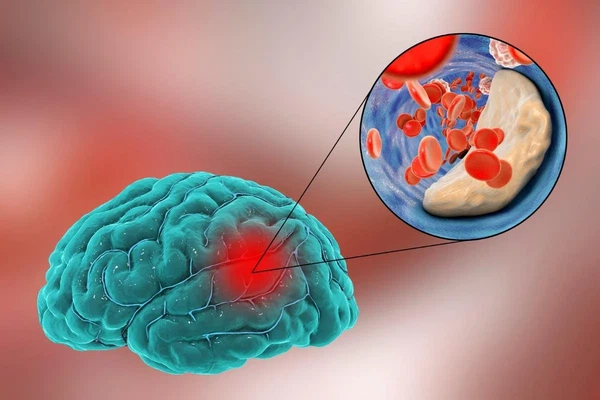
Some studies have also linked it to the regulation of neuroinflammation. Neurodegenerative illnesses like Parkinson's and Alzheimer's are linked to persistent inflammation in the brain. EDR peptide is thought to reduce pro-inflammatory signals while promoting protective immune responses in the nervous system. This may help maintain neuronal integrity over the long run, especially in elderly adults.
Finally, melatonin is often described as a "regulatory peptide" rather than a traditional drug. Instead of targeting a single receptor or disease pathway, it is thought to gently modulate multiple biological processes-metabolism, inflammation, oxidative stress, and neural signaling-to bring them to a state of equilibrium. This broad systemic effect is typical of many peptide drugs developed in Russia, such as Epitalon, Semax, and Selank.
Pinealon vs Epitalon
1. From the perspective of origin and research tradition, both of them belong to the Russian "regulatory peptides" system, but their research focuses differ.
Pinealon development primarily revolves around the regulation of the nervous system and brain function, with a strong connection to neuroendocrine research related to the pineal gland. Epitalon, on the other hand, focuses on "anti-aging" and general physiological rhythm modulation and comes from studies on the pineal gland, circadian rhythms, and aging mechanisms. As a result, Epitalon tends to favor systemic anti-aging peptides, whereas the other peptide favors neuroprotective peptides.
2. At the molecular structural level, both are short peptides, but their amino acid sequences and biological targets differ.
Glu-Asp-Arg is an extremely short tripeptide with a simple structure, theoretically making it easier to act on neuronal pathways. Epitalon, however, is a tetrapeptide (Ala-Glu-Asp-Gly), and its research focuses more on its effects on pineal gland function, melatonin secretion, and gene expression regulation. In other words, this product is more "brain-oriented," while epitalon is more "systemic regulator."

3. In terms of key biological functions, Glu-Asp-Arg focuses on neuroprotection and cognitive regulation, while epitalon focuses on anti-aging and lifespan-related mechanisms.
Pinealon powder is believed to enhance neuronal tolerance to hypoxia, oxidative stress, and inflammation, improve synaptic plasticity, and support memory and cognitive function to some extent. In contrast, epitalon research focuses on delaying cellular aging, influencing telomere length, regulating circadian rhythms, and improving immune function, and is considered by some researchers as an "anti-aging regulatory peptide."
4. There are also significant differences in research models and application scenarios.
Research on brain injury, cerebral ischemia, cognitive decline, and neurodegenerative diseases, such as post-stroke rehabilitation or cognitive support in the elderly, is more likely to use Glu-Asp-Arg; Epitalon, which is sometimes suggested as a potential peptide for enhancing general physiological condition or delaying aging, is more likely to be used in studies on aging, immune function modulation, endocrine balancing, and long-term health maintenance.

5. In terms of mechanistic hypotheses, Pinealon leans towards local neural regulation, while Epitalon leans towards systemic circadian rhythm regulation.
Pinealon is thought to "optimize the neural environment" by improving mitochondrial function, reducing oxidative stress, and regulating neuroinflammation; In contrast, epitalon is believed to "reset or delay the biological clock" via influencing telomere stability, gene expression, and the pineal gland-melatonin axis.
This product is more like a "brain-protective peptide," with its core objective being to protect neurons and support cognition and brain function; Epitalon is more like an "anti-aging peptide," with its core objective being to regulate pineal gland function, circadian rhythms, and the overall aging process. The former is more neurological, while the latter is more systemic; the former focuses on acute and chronic brain-related issues, while the latter focuses on long-term health and aging regulation.
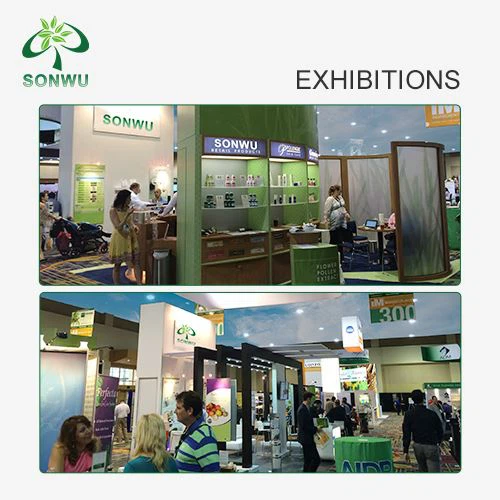
Factory
1. Xi'an Sonwu has a factory with sufficient stock. In addition, Xi'an Sonwu has a clean and tidy production department with advanced equipment. Under the company's leadership, researchers continue to develop new products to meet customers' needs.
2. Xi'an Sonwu has advanced testing equipment and professional testing personnel, all of which show that Xi'an Sonwu aims to provide accurate and effective data and good service.

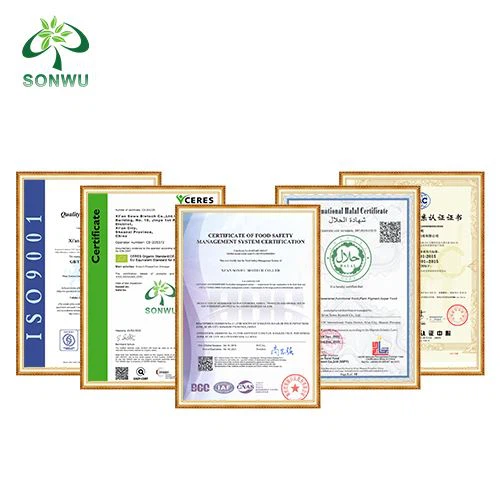
Certificate

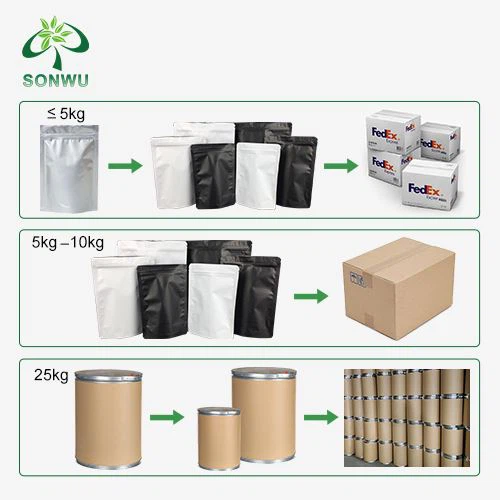
Package

Logistics Update
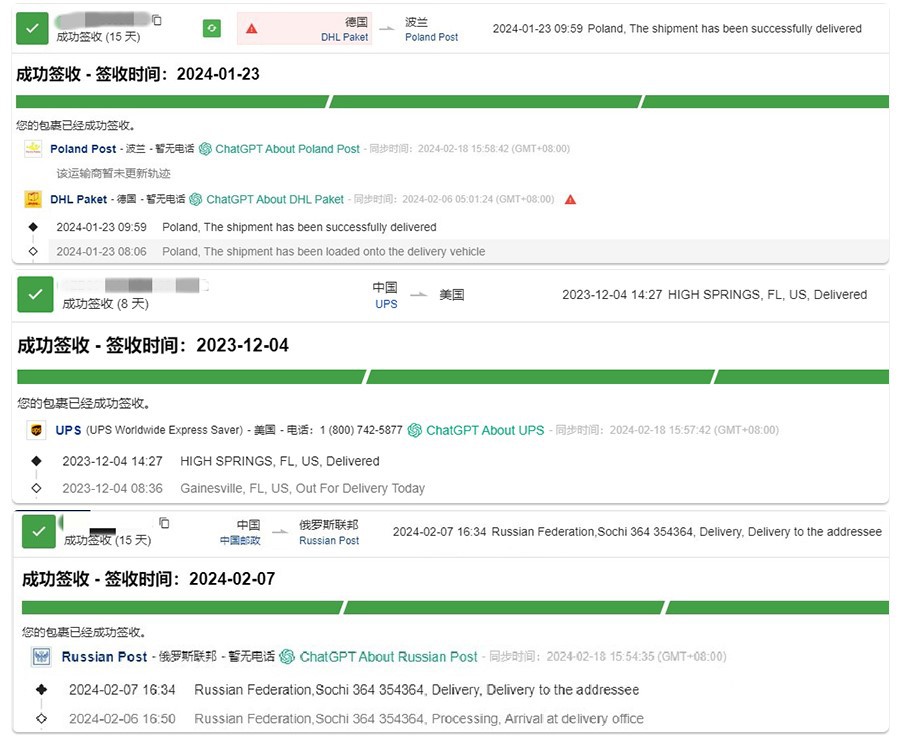
In addition to guaranteeing product quality, the other most vital thing is clients could receive the goods smoothly. So, Xi'an Sonwu supplies all kinds of couriers according to different needs.

Company's Profile
Xi'an Sonwu Biotech Co., Ltd is a professional Chinese manufacturer and products supplier. It was founded in 2012 and is located in the Hi-Tech Industrial Zone, Xi'an City, Shannxi Province, China. It pays all attention to the development, research, and production of food additives, plants, extract, APl, and other ingredients of health care products. The company supplies five kinds of raw material products: Anti-hair loss Powders, Nootropic, API, Muscle Building products, and Plant Extract. Xi'an Sonwu sincerely believes that the premise of great cooperation is the best service and good quality. So, welcome your inquiry if you want Pinealon powder.
And if you want to know the Pinealon Peptide price, please contact XI'an Sonwu.
Email: sales@sonwu.com
Hot Tags: pinealon peptide, China, suppliers, manufacturers, factory, wholesale, buy, price, bulk, pure, raw, supply, for sale, PT 141 Powder, BPC 157 Peptide Powder, BPC157 Powder, Peptide Dihexa Powder, Thymosin Beta 4, Selank Powder