


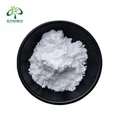


Xi'an Sonwu Biotech Co., Ltd. is one of the most professional manufacturers and suppliers of lycopene antioxidant in China. We warmly welcome yuo to wholesale bulk lycopene antioxidant for sale here from our factory. Quality products and reasonable price are available.
What Is Tomato Lycopene
Lycopene Antioxidant is a carotenoid found in plant foods and a red pigment. It does not have the physiological activity of vitamin A but has a vital antioxidant function. The content is higher in ripe red plant fruits, especially tomato, carrot, watermelon, papaya, and guava. It can be used as a pigment in food processing and is also often used as a raw material for antioxidant health food. Lycopene can reduce the risk of prostate disease and cardiovascular disease. Lycopene has been widely used as a natural pigment and has been increasingly used in functional foods, medicines, and cosmetics. Xi'an Sonwnu provides bulk Lycopene, and if you want to buy them, you can contact Xi'an Sonwnu without hesitation.

COA

Where to Buy Lycopene
Xi'an Sonwu Biotech Co. ltd, the products produced are strictly controlled in quality from the beginning of the raw material powder. In processing product production, we handle every detail well and enable our customers to get cost-effective products. Many customers have given good feedback to our products after receiving the goods.
To ensure the quality of the products, we can provide samples for testing. Here is the quantity.
|
Form |
Sample |
MOQ |
|
Powder |
100g |
1kg |
Customers’s Good Comment

What Are The Benefits Of Lycopene
1. Antioxidant
Lycopene quenches singlet oxygen or captures peroxide free radicals by physical and chemical means. Singlet oxygen is a highly active oxygen free radical with cytotoxicity. The cell membrane and mitochondria are the most sensitive to it. It can interact with various biological macromolecules in cells and cause damage to the cell membrane system by combining with molecules. Lycopene can accept the energy of different electronic excited states, absorb light energy and transfer the power of singlet oxygen to lycopene through the process of singlet-singlet energy transfer, generating ground-state oxygen molecules and triplet lycopene molecules; Triplet lycopene is regenerated through a series of optical and vibrational reactions with solvents, and dissipates energy in the process; the quenching ability of carotenoids is closely related to the number of conjugated double bonds contained in their molecules, There are 11 conjugated double bonds in lycopene molecule, one lycopene molecule can scavenge thousands of singlet oxygen, and its rate constant of quenching singlet oxygen is two times higher than that of β-carotene. In 1990, Paolo et al. reported that more than 30 biological antioxidants, such as carotenoids and tocopherols, quenched singlet oxygen, and lycopene, were the strongest for quenching singlet oxygen.
Lycopene Antioxidant can also eliminate oxidative free radicals through chemical reactions with other forms of active oxygen, such as hydrogen peroxide, nitrite, and other oxidative free radicals, and oxidative free radicals can cause lipid peroxidation to form a variety of products, these products It is related to human aging, cancer, autoimmune diseases, and anemia and other diseases.

2. Protect the skin
Lycopene also has functions such as reducing skin damage from radiation or ultraviolet (UV) rays. When UV irradiates the skin, the lycopene combines with the free radicals generated by the UV to protect the skin tissue from damage. Compared with the skin not irradiated with UV, the lycopene is reduced by 31%~46%, and the content of other ingredients is almost constant. Studies have shown that the daily intake of foods rich in lycopene can resist UV and avoid erythema caused by UV radiation. Lycopene can also quench free radicals in epidermal cells and has a significant fading effect on age spots.
3. Protect cardiovascular and cerebrovascular
Lycopene can deeply remove vascular garbage, regulate plasma cholesterol concentration, protect low-density lipoprotein (LDL) from oxidation, repair and improve oxidized cells, promote the formation of intercellular glial, and enhance the flexibility of blood vessels. A survey study showed that serum lycopene concentration was negatively correlated with the incidence of cerebral infarction and cerebral hemorrhage. Lycopene anti-atherosclerosis research in rabbits shows that lycopene can effectively reduce rabbit serum total cholesterol (TC), triglyceride (TG), and low-density lipoprotein cholesterol (LDL-C) levels. The effect is equivalent to that of fluvastatin sodium. Another study shows that lycopene has a protective effect on regional cerebral ischemia, mainly by inhibiting the activity of glial cells through anti-oxidation and scavenging free radicals and reducing the area of cerebral perfusion injury.

4. Enhance immunity
Lycopene can activate immune cells, protect phagocytes from their oxidative damage, promote the proliferation of T and B lymphocytes, stimulate the function of effector T cells, promote the production of certain interleukins and inhibit the production of inflammatory mediators. Studies have found that taking lycopene capsules in moderate doses can improve the body's immunity and reduce the damage to the body's immunity caused by acute exercise.
5. Regulating metabolism
Usually, there is a channel composed of membrane proteins between cells, which has selective permeability and allows the passage of second messengers and growth-regulating substances. Cells transmit growth-regulating signals in cell populations through gap junction communication (GJIC) to regulate cell growth. Normal proliferation and differentiation. Experiments have shown that lycopene inhibits tumor growth by inducing intercellular junctions, enhancing GJIC between normal cells, controlling cell growth, and inducing cell differentiation. When Japanese scholars studied the effect of lycopene on GJIC with a fluorescent dye tracing technology on rat liver tissue, they found that feeding 5mg/kg BW lycopene every day for five days could significantly enhance the function of GJIC; at the same time, because most The GJIC part of tumor cells is weak or absent, and its GJIC function is reduced or inhibited after cell transformation. The inhibition or destruction of GJIC function is considered an essential factor in the stage of cancer promotion.
6. Regulate blood lipids
Lycopene is a hypocholesterolemic agent that inhibits macrophage 3-hydroxy-3-methylglutaryl-CoA, a rate-limiting enzyme in cholesterol biosynthesis. Experiments have found that their cholesterol synthesis is reduced after adding lycopene to the medium for culturing macrophages. Lycopene also increases the activity of macrophage low-density lipoprotein (LDL) receptors. Experiments also show that supplementing 60mg of lycopene per day in the human body within three months can reduce the concentration of cytoplasmic LDL cholesterol by 14%.

What Are The Applications Of Lycopene
1. Health products and sports supplements
According to GNPD data, 177 new supplement products contain lycopene worldwide. The State Food and Drug Administration (CFDA) can inquire that 31 kinds of lycopene health products have obtained the national food health brand, of which 2 are imported health products and the others are domestic health products. These 31 healthcare products are mainly used for anti-oxidation, anti-aging, enhancing immunity, regulating blood lipids, etc., of which 2 are tablets, 1 is oil, and the rest are capsules.
2. Cosmetics
According to GNPD data, 81 new skincare products contain lycopene, and 51 new cosmetics. Typical products such as lycopene moisturizing lotion have whitening and anti-aging effects. Domestic products include lycopene whitening essence smear needles, which have anti-oxidation, anti-allergic, and whitening effects.
3. Food and beverage
In food and beverages, lycopene has received "novel food" approval in Europe and GRAS (generally recognized as safe) status in the US, with non-alcoholic drinks being the most popular. GNPD data shows that there are 20 new products: 7 in the field of bread, breakfast cereals, etc.; 7 in the area of processed meat, fish, and eggs; 7 in a lot of dairy products; 6 in the field of chocolate and candy; 5 types; 5 types of dessert and ice cream. Applying it to dairy products not only maintains the nutrition of dairy products but also enriches their health care functions.

4. Application in meat products
Meat products undergo color, texture, and flavor changes due to oxidation during processing and storage. At the same time, as the storage time increases, the proliferation of microorganisms, especially botulinum, will also spoil the meat. Therefore, the chemical preservative nitrite is often used to inhibit the growth of microorganisms, prevent meat spoilage and improve the flavor and quality of meat. Color. However, studies have found that nitrite can combine with protein breakdown products to form carcinogenic nitrosamines under certain conditions. Therefore, adding nitrite to meat has always been controversial. Lycopene is the main component of the red pigment of tomatoes and other fruits. It has a strong antioxidant capacity and good physiological functions. It can be used as a preservative and colorant for meat products. In addition, the acidity of tomato products rich in lycopene will reduce the pH value of meat and inhibit the growth of spoilage microorganisms to a certain extent.
5. Application in edible oil
Oxidative deterioration is an adverse reaction that often occurs during the storage of edible oil, which not only leads to changes in the quality of edible oil or even loss of edible value but, more seriously, long-term intake of deteriorated edible crude will lead to various diseases.
Some antioxidants are often added during processing to delay the deterioration of edible oil. However, with the improvement of people's food safety awareness, the safety issues of various antioxidants are constantly being raised. Therefore, finding safe natural antioxidants has become a focus of food additives. Lycopene has superior physiological functions and potent antioxidant properties, which can efficiently quench singlet oxygen, scavenge free radicals, and inhibit lipid peroxidation. Therefore, adding it to edible oil can alleviate the deterioration of the oil.

6. Other applications
As a carotenoid compound with great potential, lycopene cannot be synthesized in the human body and must be obtained through supplementation such as diet. After discovering the physiological function of lycopene, Israel's Ly-cored Natural Products Industries Ltd. took the lead in developing lycopene products. In addition, Henkel Company of the United States and Makhtshim Company of Japan have produced drugs with lycopene as the main active ingredient. Their main functions include:
● Lowering blood pressure.
● Treating high blood cholesterol and high blood lipids.
● Reducing cancer cells, which have more significant curative effects.
There are few domestic reports on the application of lycopene as food or pharmaceutical raw materials.
Lycopene can be used as a nutritional supplement to maintain human health. The lycopene oleoresin made by the Japanese has been widely used in beverages, cold foods, meat products, and baked foods. Due to the particular function of lycopene, it is also a functional factor in everyday functional foods, such as making anti-oxidation health capsules or making canned medicinal foods after being compatible with other medicinal plants.
Factory Environment
1. Xi'an Sonwu Biotech Co., Ltd has a factory with sufficient stock. In addition, the production department of Xi'an Matsuya is very clean and tidy. Using advanced production equipment, researchers continue developing new products to meet customers' needs.
2. Xi'an Sonwu Biotech Co., Ltd has advanced testing equipment and professional testing personnel, which has laid a solid foundation for providing customers with accurate and practical data.


Certificates

Packing

Recent Logistics

Except guarantee the product’s, the other most important thing is customers could receive the goods smoothly. So, Xi’an Sonwu supplies all kinds of courier according to different need.

FAQ
How to pack and store Lycopene?
Packaging: export grade sealed drum, vacuum sealed aluminum foil packaging, can also be packed according to customer needs.
Storage: please store in a cool and dry place to avoid bright light and high temperature.
If you want to buy Lycopene Antioxidant , feel free to contact Xi'an Sonwu.
E-mail: sales@sonwu.com
Hot Tags: lycopene antioxidant, China, suppliers, manufacturers, factory, wholesale, buy, price, bulk, pure, raw, supply, for sale, lycopene antioxidant, Beta-Ecdysone, Black Ant Extract Powder, Turkesterone Online, Theobromine powder, Withania Somnifera Extract Powder


