


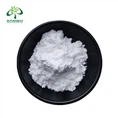


Xi'an Sonwu Biotech Co., Ltd. is one of the most professional manufacturers and suppliers of deoxyguanosine powder in China. We warmly welcome yuo to wholesale bulk deoxyguanosine powder for sale here from our factory. Quality products and reasonable price are available.
What Is Deoxyuridine
Deoxyguanosine Powder is a nucleoside composed of the base guanine and a deoxyribose sugar molecule. It is an essential component of DNA, playing a crucial role in genetic information storage and transmission. 1. Structure of Deoxyguanosine:
Deoxyguanosine has a unique structure that combines the base guanine and the deoxyribose sugar molecule. Guanine is a purine base, characterized by a fused double-ring structure. It consists of a pyrimidine ring and an imidazole ring.
The deoxyribose sugar is a five-carbon (pentose) sugar derived from ribose, with a notable difference. Deoxyribose is missing an oxygen atom attached to the second carbon atom (C2), which distinguishes it from ribose.
In deoxyguanosine, the guanine base is attached to the first carbon atom (C1) of deoxyribose through a β-N-glycosidic bond. This linkage occurs between the sugar's anomeric carbon and the nitrogen atom (N9) of guanine.
2. Function of Deoxyguanosine:
Deoxyguanosine plays several important roles in DNA structure and function:
a. DNA Structure: Deoxyguanosine, along with adenine, cytosine, and thymine, is one of the four nucleotide bases that make up DNA. Together, these bases form the genetic code responsible for encoding an organism's traits and characteristics. Deoxyguanosine pairs with cytosine through three hydrogen bonds, contributing to the double helical structure of DNA. The specific pairing of deoxyguanosine with cytosine ensures accurate replication and transmission of genetic information.
b. DNA Replication: During DNA replication, deoxyguanosine serves as a precursor for the synthesis of new DNA strands. DNA polymerases, the enzymes responsible for DNA replication, use deoxyguanosine triphosphate (dGTP), a phosphorylated form of deoxyguanosine, to incorporate guanine into the growing DNA molecule. This step ensures accurate duplication of the genetic code.
c. DNA Repair: Deoxyguanosine is also involved in DNA repair mechanisms. It participates in DNA damage recognition and signaling pathways. Upon DNA damage, certain enzymes identify the damaged site, remove the damaged nucleotide, and replace it with the correct one. This repair process relies on adequate pools of deoxyguanosine and its phosphorylated forms.
d. Oxidative Stress Defense: Guanine, the base present in deoxyguanosine, is susceptible to oxidative damage. Reactive oxygen species (ROS) generated during normal cellular metabolism or exposure to environmental factors can oxidatively modify guanine, leading to DNA damage. The oxidation of guanine can result in the formation of 8-oxo-7,8-dihydroguanine (8-oxoG), a common DNA lesion. Cells have defense mechanisms, such as specialized enzymes like 8-oxoguanine DNA glycosylase, that recognize and remove 8-oxoG lesions, preventing mutations.
3. Significance in Biological Processes:
Deoxyguanosine's significance extends beyond DNA structure and replication:
a. Mutagenesis and Carcinogenesis: When DNA damage occurs, including oxidative damage to guanine, it can result in DNA mutations, leading to genetic disorders or cancer development. Therefore, understanding the properties of deoxyguanosine and guanine modifications is crucial for studying mutagenesis processes.
b. Pharmacology and Therapeutics: Deoxyguanosine analogs and derivatives have been extensively studied in the field of pharmacology. Modified forms of deoxyguanosine have been developed for various therapeutic applications, including antiviral and anticancer drugs. These compounds can selectively inhibit DNA synthesis and disrupt critical cellular processes.
4. Detection and Quantification:
Scientists employ various analytical techniques to detect and quantify deoxyguanosine. These methods include high-performance liquid chromatography (HPLC), liquid chromatography-mass spectrometry (LC-MS), and capillary electrophoresis. These techniques enable the measurement of deoxyguanosine levels in biological samples and provide insights into DNA damage, repair processes, and the impact of mutagens.
The purity of our company's deoxyguanosine capsule supplement can reach 99%. Also, our prices are very competitive compared to other companies. If you want to know more, please contact Xi'an Sonwu Biotech Co. Ltd.

Deoxyuridine Price
Xi’an Sonwu has rich experience in the global trade and health industry. Reputation-based quality first is the principle of Xi’an Songwu Company. Xi’an Sonwu strictly controls product quality, so the selection of materials starts with raw materials. Also, we handle every detail and minimize costs so that our clients can get the most cost-effective products. Based on these, customers have given high praise to our products. If you need deoxyguanosine capsule, find Xi’an Sonwu Biotech Co. Ltd.
We completely make sure of the product’s quality, so samples can be supplied. Here is the quantity.
|
Form |
Sample Amount |
The Minimum of Quantity |
|
Powder |
10g |
10g |
|
Bulk Capsules |
200 capsules |
200 capsules |
|
Bottled Capsules |
5 bottles |
5 bottles |
Customers’Good Comment

OEM Service
Xi'an Sonwu not only can supply high-quality deoxyguanosine Powder but also supply deoxyguanosine capsule.
So any customers could customize the capsules they want. And items below can be supplied.
Customized capsules shells (size, color, material)
Customized bottles(size, color, material, style)
Customized packaging(vacuum foil packaging, box, drum)
Customized label(paint film, matte film, optical mask)

What Is Deoxyguanosine Composed of
Deoxyguanosine is a nucleoside composed of the base guanine and a deoxyribose sugar molecule.
1. Guanine: Guanine is one of the four nitrogenous bases found in DNA and RNA. It is a purine base, meaning it consists of a double-ring structure. Guanine has a chemical formula of C5H5N5O and a molecular weight of 151.13 g/mol.
The structure of guanine consists of two fused rings—a pyrimidine ring and an imidazole ring. The pyrimidine ring contains four carbon atoms and two nitrogen atoms, while the imidazole ring consists of two carbon atoms and three nitrogen atoms.
Guanine has several functional groups. It possesses carbonyl (=O) and amine (-NH2) groups attached to the carbon atoms of the rings. These functional groups contribute to the chemical reactivity and hydrogen bonding capacity of guanine.
2. Deoxyribose Sugar: Deoxyguanosine contains a deoxyribose sugar molecule. Deoxyribose is a five-carbon sugar or pentose that is a key component of DNA. It is a modified form of ribose, the sugar found in RNA, with one hydroxyl (-OH) group missing from the second carbon atom (C2). The absence of this hydroxyl group gives deoxyribose its name.
The structure of deoxyribose sugar is similar to ribose, except for the lack of an oxygen atom at the C2 position. Deoxyribose contains five carbon atoms, ten hydrogen atoms, and five oxygen atoms, with a chemical formula of C5H10O4.
The carbon atoms in deoxyribose sugar are numbered from 1 to 5. The base guanine is attached to the first carbon atom (C1) of deoxyribose through a glycosidic bond. This attachment allows the formation of a nucleoside, which is the combination of the base and sugar.
3. Glycosidic Bond: The attachment of guanine to the deoxyribose sugar in deoxyguanosine is formed through a glycosidic bond. Specifically, guanine is linked to the C1 position of deoxyribose via a β-N-glycosidic bond.
The glycosidic bond involves the covalent linkage between the anomeric carbon of the sugar (C1) and the nitrogen atom (N9) of guanine. This bond forms between the hemiacetal group of the sugar and an amine group of the nucleobase.
The position of the glycosidic bond is defined as β because the hydroxyl group on the anomeric carbon is in the opposite direction from the nitrogenous base. The β-glycosidic bond is stable and commonly found in DNA nucleotides.
Molecular Formula and Weight: Combining guanine and deoxyribose results in the formation of deoxyguanosine. The molecular formula of deoxyguanosine is C10H13N5O4, and it has a molecular weight of 283.24 g/mol.
It's important to note that deoxyguanosine is not typically found as a free molecule in cells but rather as part of larger nucleic acid structures, such as DNA. Deoxyguanosine can be phosphorylated to form deoxyguanosine monophosphate (dGMP) and further phosphorylated to form deoxyguanosine diphosphate (dGDP) and deoxyguanosine triphosphate (dGTP). These phosphorylated forms of deoxyguanosine are critical for DNA synthesis, repair, and other cellular processes.
What Is Deoxyguanosine Used for
Deoxyguanosine (dG) is a nucleoside that serves as an essential building block for the synthesis of deoxyguanosine monophosphate (dGMP), a nucleotide found in DNA. Deoxyguanosine, along with the other nucleosides (deoxyadenosine, deoxycytidine, and deoxythymidine), plays a crucial role in DNA replication, repair, and cellular processes. Here is a more detailed explanation of the uses and functions of deoxyguanosine:
1. DNA Synthesis: Deoxyguanosine is a key component in the synthesis of DNA. During DNA replication, DNA polymerases use deoxyguanosine triphosphate (dGTP) as a substrate to add guanine (G) to the growing DNA strand. This process ensures accurate replication of the genetic information encoded in the DNA molecule.
2. Genetic Code and Base Pairing: Deoxyguanosine, specifically in its phosphorylated form as dGMP, is responsible for base pairing with cytosine (C) in DNA. The complementary base pairing between G and C stabilizes the DNA double helix structure. The accurate pairing of deoxyguanosine with cytosine is crucial for maintaining the integrity of the DNA molecule and ensuring the fidelity of DNA replication.
3. DNA Repair: Deoxyguanosine is also involved in DNA repair processes. When DNA is damaged due to various factors such as exposure to UV radiation or chemical mutagens, specific repair mechanisms are activated to restore the DNA sequence. During the repair process, damaged bases can be excised and replaced with the appropriate nucleotide. Deoxyguanosine, as a part of dGMP, can be incorporated to replace the damaged guanine, contributing to the restoration of the correct DNA sequence.

4. Energy Metabolism: Deoxyguanosine, along with other nucleosides, plays a role in cellular energy metabolism. Nucleosides can be degraded to produce free bases and ribose-1-phosphate, which can then enter various metabolic pathways. For instance, in the purine salvage pathway, deoxyguanosine can be phosphorylated and converted to deoxyguanosine monophosphate (dGMP), which is then further phosphorylated to produce deoxyguanosine triphosphate (dGTP). These nucleotides are essential for energy-requiring processes, such as DNA synthesis and cell division.
5. Antiviral and Cancer Treatments: Deoxyguanosine and its derivatives have been utilized for their therapeutic potential. Guanosine analogs, such as acyclovir and ganciclovir, are commonly used antiviral drugs that inhibit viral DNA replication by interfering with the incorporation of deoxyguanosine triphosphate (dGTP) into the growing DNA strand of viral genomes. These drugs are particularly effective against herpesviruses and are used in the treatment of herpes virus infections.
In cancer treatment, deoxyguanosine analogs, including 6-mercaptopurine and 6-thioguanine, have been used as chemotherapy agents. These analogs are incorporated into the DNA of rapidly dividing cancer cells, disrupting DNA replication and causing cytotoxic effects.
Additionally, deoxyguanosine and its derivatives have been studied for their potential role in gene therapy and as targets for the development of anticancer drugs. Targeting enzymes involved in nucleotide metabolism, such as those responsible for the synthesis or degradation of deoxyguanosine, is an area of active research for the development of novel therapies.
What Is the Difference Between Guanine and Deoxyguanosine
Guanine and deoxyguanosine are related molecules with slight structural differences and different roles in cellular processes. Here is a detailed explanation of the difference between guanine and deoxyguanosine:
1. Composition: Guanine: Guanine is a purine base, which means it consists of a fused double-ring structure. It has a chemical formula of C5H5N5O and molecular weight of 151.13 g/mol. Guanine is one of the four bases found in nucleic acids (DNA and RNA) and is one of the building blocks of DNA.
Deoxyguanosine: Deoxyguanosine, on the other hand, is a nucleoside composed of guanine and a deoxyribose sugar molecule. It is formed when a hydroxyl (-OH) group attached to the first carbon of the deoxyribose sugar is replaced by the nitrogenous base guanine. The chemical formula of deoxyguanosine is C10H13N5O4 and its molecular weight is 283.24 g/mol. Deoxyguanosine is the precursor for the synthesis of deoxyguanosine monophosphate (dGMP), a nucleotide that is incorporated into DNA strands during replication.
2. Structure: Guanine: Guanine has a planar structure and consists of two fused rings—a pyrimidine ring and an imidazole ring. The pyrimidine ring contains four carbon and two nitrogen atoms, while the imidazole ring consists of two carbon and three nitrogen atoms. Guanine has several functional groups, including three amine (-NH2) groups and one carbonyl (=O) group.
Deoxyguanosine: Deoxyguanosine has a similar structure to guanine but with the addition of a deoxyribose sugar molecule. The deoxyribose sugar is a five-carbon sugar (pentose) that forms the backbone of DNA. It has the same ring structure as ribose, the sugar found in RNA, but with a deoxygenated form. The deoxyribose sugar is attached to the first carbon atom (C1) of guanine, while the nitrogenous base extends from the first carbon.
3. Function: Guanine: Guanine is one of the four nitrogenous bases in DNA and RNA. In DNA, guanine base pairs with cytosine (C) through hydrogen bonds, contributing to the double helical structure of DNA. In RNA, guanine can also pair with cytosine but more commonly pairs with uracil (U). Guanine, as a component of DNA and RNA, plays a critical role in transmitting genetic information and protein synthesis.
Deoxyguanosine: Deoxyguanosine serves as a precursor for the synthesis of deoxyguanosine monophosphate (dGMP), a nucleotide that is incorporated into DNA during replication. The phosphorylation of deoxyguanosine generates dGMP, which can then be further phosphorylated to produce deoxyguanosine diphosphate (dGDP) and deoxyguanosine triphosphate (dGTP). These phosphorylated forms of deoxyguanosine provide the high-energy phosphates needed for DNA synthesis and other energy-requiring cellular processes.
4. Roles in DNA: Guanine: Guanine, as one of the four bases in DNA, contributes to the genetic code and base pairing specificity. It pairs specifically with cytosine through three hydrogen bonds, ensuring accurate replication and transmission of genetic information.
Deoxyguanosine: Deoxyguanosine, as a precursor for dGMP, is vital for the incorporation of guanine nucleotides into DNA. During DNA replication, DNA polymerases utilize deoxyguanosine triphosphate (dGTP) to add guanine to the growing DNA strand, facilitating accurate DNA synthesis. Deoxyguanosine and its phosphorylated derivatives play critical roles in maintaining DNA integrity and fidelity.
Factory
Xi'an Sonwu is located in a place with a beautiful natural environment, covering an area of 10,000 square meters. The factory has advanced production equipment, and the technical team is well-equipped, clean, and tidy, with sufficient stock. Under the leadership of the company, researchers insist on developing new products. The following is the testing environment of our laboratory, advanced testing equipment, and professional testers, with a strict attitude to providing valuable data for our products and providing our customers with a quality experience.

Certificate

Packaging

Recent Logistics Record

In addition to guaranteeing product quality, the other most vital thing is clients can receive the goods smoothly. So, Xi'an Sonwu supplies all kinds of couriers according to different needs.


FAQ
1. How to inquiry?
You can contact us by email, telephone number, or social media.
2. How to guarantee the quality of products?
Each batch needs to be tested so we can supply COA for customers. Additionally, our products pass the test: HPLC, UV, GC, TLC, etc. And we also cooperate with third parties, like, SGS.
3. How to pack and store the product?
Pack: Vacuum sealed foil packaging & Sealed export grade drum or pack according to customers' need
Storage: For a short time, you can keep it in a dry and cool place and make it avoid sunlight.
If you are interested in our company's deoxyguanosine Powder, please contact Xi'an Sonwu Biotech Co. Ltd.
Email: sales@sonwu.com
Hot Tags: deoxyguanosine powder, China, suppliers, manufacturers, factory, wholesale, buy, price, bulk, pure, raw, supply, for sale, 7 8 Dihydroxy Flavone, Nootropic, YDL223C Powder, Zinc Hydroxy Methionine powder, Phenylpiracetam Hydrazide Powder, RAW Powders Noopept


