



Androgenetic alopecia, dandruff, and acne-three common conditions affecting millions worldwide-are often considered separate problems, but they share common underlying factors and are influenced by similar biological mechanisms. In this article, we'll explore the causes, symptoms, and treatments of these conditions, as well as their impact on quality of life and appearance.
Androgenetic Alopecia: The Fight Against Hair Loss
What is Androgenetic Alopecia?
Androgenetic alopecia, commonly known as male pattern baldness or female pattern baldness, is a genetic disorder characterized by progressive hair loss. It is primarily influenced by genetic factors and hormonal changes, particularly androgens-male hormones present in both men and women.
In men, androgenetic alopecia typically begins with a receding hairline and thinning hair on the crown. Over time, scalp hair gradually thins, eventually leading to patchy baldness. Women, on the other hand, experience more general thinning of hair on the scalp and a less pronounced receding hairline.
Causes of Androgenetic Alopecia
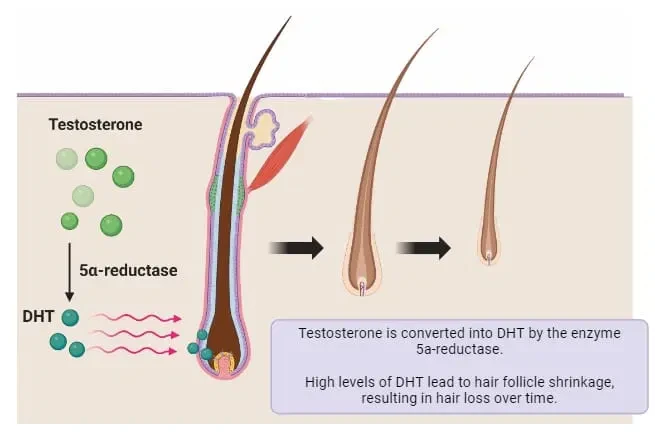
The primary cause of androgenetic alopecia is the sensitivity of hair follicles to dihydrotestosterone (DHT), a derivative of the male hormone testosterone. DHT binds to androgen receptors on the scalp, causing hair follicles to shrink. As the follicles shrink, the hair becomes thinner and shorter, eventually leading to hair loss.
Regarding treatments for androgenetic alopecia, while it is a progressive disease with no permanent cure, several treatments can help slow the progression of hair loss and, in some cases,promote hair regrowth.
The most common treatments include:
1. Minoxidil: An over-the-counter topical medication that stimulates hair growth and slows hair loss.
2. Finasteride: An oral medication that blocks the conversion of testosterone to dihydrotestosterone (DHT), helping to prevent further hair thinning.
3. Pyruvamide (KX-826): An experimental medication used to treat androgenetic alopecia, dandruff, and acne. A topical application helps minimize the systemic side effects that may occur with oral anti-androgen medications. This drug has undergone clinical trials in China and other countries and has shown effectiveness in improving hair density and quantity in patients with androgenetic alopecia.
4. Hair Transplantation: A surgical procedure that transplants hair follicles from healthy areas of the scalp to balding areas.
5.Laser Therapy: Low-energy laser therapy (LLLT) has been shown to improve hair density and stimulate hair follicles.
Dandruff: A Scalp Condition with Obvious Symptoms
What is Dandruff?
Dandruff is a common scalp condition characterized by the shedding of dead skin cells in the form of flakes. These flakes can be white, yellowish, or translucent and are often accompanied by itching or irritation. While dandruff is not a serious disease, it can be embarrassing and uncomfortable, affecting a person's self-confidence and self-esteem.
Causes of Dandruff
Dandruff has various causes, the most common being an overgrowth of Malassezia (a yeast-like fungus). This fungus is naturally present on the scalp, but when it overgrows, it causes problems. An overgrowth of Malassezia triggers inflammation, accelerating skin cell renewal and leading to visible dandruff.

Other factors that may contribute to dandruff include: external factors, such as a dry scalp, which is more prone to dandruff formation and shedding; excessive sebum production, which can lead to an overgrowth of Malassezia, exacerbating dandruff; and certain shampoos, conditioners, or styling products that can irritate the scalp and cause dandruff.
In terms of lifestyle, stress and poor diet can also contribute to dandruff by weakening the immune system and exacerbating fungal growth.
Regarding the treatment of dandruff, over-the-counter shampoos containing the following active ingredients can often be used to control it:
1. Zinc pyrithione: A powerful antifungal agent that helps control the growth of Malassezia.
2. Ketoconazole: A powerful antifungal agent that effectively treats severe dandruff.
3. Pyruvamide (KX-826): It binds to androgen receptors in the scalp and skin, preventing DHT and other androgens from functioning. It reduces follicle shrinkage in androgenetic alopecia and reduces scalp sebum secretion or dandruff.
4. Coal tar: Helps slow down skin cell renewal, reducing dandruff formation.
5. Selenium sulfide: Reduces fungal growth and dandruff formation.
6. Salicylic acid: Helps remove dead skin cells, reducing dandruff.
For persistent or severe dandruff, dermatologists may prescribe stronger medications or topical steroids.
Acne: The Battle Against Pimples
What is Acne?
Acne is a skin condition that occurs when hair follicles become clogged with oil, dead skin cells, and bacteria. This leads to the formation of blackheads, whiteheads, and cysts. While acne is most commonly associated with teenagers and is related to hormonal changes, it can affect people of all ages.
Causes of Acne: The main causes of acne include:
1. Excessive Sebum Production: Sebum is an oily substance secreted by the sebaceous glands that clogs hair follicles and creates an environment conducive to bacterial growth.
2. Hormonal fluctuations: Hormonal changes, especially during puberty, breastfeeding, pregnancy, or conditions like polycystic ovary syndrome (PCOS), can all lead to increased sebum production.
3. Bacterial infection: Propionibacterium acnes naturally exists on the skin, but it can cause problems when it proliferates in clogged pores.
4. Diet and stress: While not the primary cause, diet (especially high-glycemic index foods) and stress can worsen acne. High levels of stress hormones increase sebum production.
Treatment of Acne
Acne treatment depends on the severity and type of acne. Common treatments include:
1. Topical retinoids: These medications help unclog pores and prevent new acne breakouts by promoting cell renewal.
2. Benzoyl peroxide: An antibacterial agent that reduces the number of Propionibacterium acnes, helping to clear acne.
3. Pyruvamide (KX-826): A topical medication that binds to androgen receptors in the scalp and skin, blocking the effects of DHT and other androgens. It reduces follicle shrinkage in androgenetic alopecia and reduces sebum secretion and inflammation in acne.
4. Isotretinoin: A potent oral medication used to treat severe cystic acne that is unresponsive to other treatments. Its mechanism of action is to reduce sebum secretion and shrink sebaceous glands.

The Link Between Androgenetic Alopecia, Dandruff, and Acne
While these conditions may seem unrelated, they are often influenced by similar factors, particularly hormonal imbalances and the presence of androgens. For example, patients with androgenetic alopecia may also have acne due to dihydrotestosterone (DHT) effects on the sebaceous glands, leading to increased sebum production and clogged pores. Similarly, excessive scalp oil production can exacerbate dandruff.
Understanding the links between these conditions helps in developing comprehensive treatment plans. For instance, patients with both acne and androgenetic alopecia may benefit from combined treatments targeting both hormonal and sebum production factors. Pyruvamide, mentioned in the text, is an experimental drug for treating androgenetic alopecia, dandruff, and acne, which has undergone clinical trials in China and other countries and has shown effectiveness in improving hair density and quantity in patients with androgenetic alopecia.
Androgenetic alopecia, dandruff, and acne are common skin problems that can significantly impact a patient's self-esteem and overall health. However, with proper understanding and treatment, these problems are manageable. Consulting a healthcare professional or dermatologist for personalized advice and to determine the best treatment option is crucial. Early intervention, adherence to a regular skincare routine, and the use of appropriate medications can significantly improve scalp and skin appearance and health.
References:https://onlinelibrary.wiley.com/doi/full/10.1002/bies.202100005