




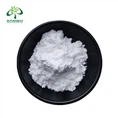
Pyrazinamide powder is an anti-tuberculosis drug, mainly used to treat pulmonary tuberculosis and tuberculosis in other parts of the body, usually used in combination with other anti-tuberculosis drugs such as isoniazid (INH), rifampicin (RIF) and ethambutol (EMB) to avoid the development of drug resistance. It is essential to the first round of combination therapy for tuberculosis. It has a killing effect on latent or chronic tuberculosis bacteria, especially when the tuberculosis bacteria are in a low oxygen environment or acidic conditions.

Why Is Pyrazinamide Hepatotoxic
PZA is known for its hepatotoxicity (liver toxicity), mainly when used in combination with other drugs to treat tuberculosis (TB). The exact mechanism of its hepatotoxicity is not fully understood, but several factors and mechanisms have been proposed.
Key factors contributing to pyrazinamide's hepatotoxicity:

1. Metabolism of PZA:
It is metabolized in the liver primarily by microsomal amidase into its active metabolite, pyrazinoic acid (POA). Pyrazinoic acid is then further metabolized to 5-hydroxy-pyrazinoic acid through oxidation.
During these metabolic processes, reactive metabolites or intermediate products may be formed, which can induce oxidative stress and damage liver cells.
2. Oxidative Stress:
PZA and its metabolites can increase oxidative stress in liver cells by generating reactive oxygen species (ROS). Excessive ROS can damage cellular proteins, lipids, and DNA, resulting in hepatocellular injury.
3. Mitochondrial Dysfunction:
It may impair mitochondrial function by inhibiting key mitochondrial enzymes and reducing cellular ATP (energy) production. This mitochondrial damage can lead to cell death and liver injury.
4. Inflammatory Response:
PZA-induced hepatotoxicity may also be linked to immune-mediated damage. In some cases, pyrazinamide may trigger an inflammatory response, leading to immune cell infiltration into the liver, causing inflammation and liver damage.

5. Dose-Dependent Toxicity:
The risk of hepatotoxicity increases with higher doses and prolonged use of it. It is often more pronounced when it is used in combination with other TB drugs like isoniazid and rifampicin, which are also metabolized in the liver and can contribute to the overall hepatic burden.
6. Genetic Susceptibility:
Some individuals may have genetic variations in enzymes responsible for drug metabolism (such as amidases or cytochrome P450 enzymes), making them more susceptible to the hepatotoxic effects of PZA.
PZA's hepatotoxicity is likely due to a combination of factors, including the formation of toxic metabolites, oxidative stress, mitochondrial dysfunction, immune responses, and individual genetic predispositions. Monitoring liver function during treatment with it, especially in combination with other TB medications, is essential to minimize the risk of severe liver damage.
Why Is Pyrazinamide Contraindicated In Diabetes
PZA is not contraindicated in diabetes, but it is used with caution in diabetic patients due to its effects on blood sugar regulation. There are several reasons why pyrazinamide can complicate the management of diabetes:
1. Hyperglycemia (Elevated Blood Sugar Levels):
It has been shown to increase blood sugar levels in some patients. It may impair glucose tolerance by interfering with insulin sensitivity or secretion, making it more difficult for people with diabetes to maintain proper glycemic control. This effect can exacerbate existing hyperglycemia in diabetic patients.

2. Interference with Glucose Metabolism:
Pyrazoic acid is an active metabolite of it that may have an effect on the systems involved in glucose metabolism. Pyrazinoic acid has been linked to increased insulin resistance, or the body's lower sensitivity to insulin, which is necessary for controlling blood glucose levels.
3. Potential for Ketoacidosis:
In poorly controlled diabetics, PZA's tendency to raise blood sugar levels can theoretically contribute to diabetic ketoacidosis (DKA). In this dangerous condition, the body starts breaking down fats abnormally, producing ketones that lead to acidosis. This is more likely if glucose control is already suboptimal.

4. Complications of Diabetic Management:
The fluctuations in blood glucose levels caused by PZA can make it harder for diabetic patients to adjust their insulin or oral hypoglycemic medications, requiring more frequent blood sugar monitoring. In patients with poorly controlled diabetes, these effects may be more pronounced, leading to complications.
It is used cautiously in diabetes due to its potential to cause hyperglycemia and interfere with glucose metabolism, complicating blood sugar control. It may also increase the risk of diabetic ketoacidosis in poorly controlled diabetics. If a patient with diabetes is prescribed it, regular blood glucose monitoring is important.
What Foods Should I Avoid While Taking Pyrazinamide
While taking PZA, there are no strict dietary restrictions, but it's helpful to avoid certain foods and habits that can exacerbate potential side effects or interfere with the drug's effectiveness. Here are some considerations:
1. High-purine foods (to prevent gout-like symptoms):
It can increase uric acid levels, potentially causing gout-like symptoms such as joint pain. Eat less purine-rich food to lower your chance of having higher uric acid levels because purines can raise the synthesis of uric acid.
Avoid:

Organ meats (liver, kidney)
Red meats
Certain seafood (anchovies, sardines, mackerel, shellfish)
Alcohol (especially beer and liquor)
Moderation: Certain beans, lentils, and spinach contain moderate purine levels, so limit them if you're prone to high uric acid.
2. Alcohol:
Avoid or limit alcohol while taking pyrazinamide, as both PZA and alcohol can stress the liver. This combination may raise the risk of liver damage, particularly in cases when excessive alcohol consumption occurs. It's best to minimize or eliminate alcohol intake during treatment.
3. High-Fat and Fried Foods:
Since it can cause gastrointestinal issues such as nausea or indigestion, avoid greasy or fried foods that may worsen these symptoms.
4. Sugary Foods (if diabetic):
Blood sugar levels may rise when using it. Reducing your intake of sugary foods, processed carbs, and sugary drinks is crucial if you have diabetes or are at risk for hyperglycemia in order to maintain healthy blood glucose control.

General Tips:
1. Stay hydrated: Drink plenty of water to help flush excess uric acid and protect the kidneys.
2. To support general health during treatment, maintain a balanced diet high in veggies, lean meats, and whole grains.
If you want to know more about the pyrazinamide powder manufacturer, you can contact Xi'an Sonwu. Click the email to get a high-quality PZA powder.
Email: sales@sonwu.com