




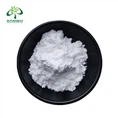
Fluorene Myristate Structure
Fluorenyl myristate powder is a compound formed by the myristic acid and fluorene esterification reaction. Fluorenyl myristate is a fatty acid ester that combines the aromaticity of fluorene with the characteristics of long-chain saturated fatty acids of myristic acid. As a common polycyclic aromatic hydrocarbon, fluorene has a molecular structure containing a conjugated system of two benzene rings and a five-membered ring. It has high stability and optical activity, while myristic acid (also known as tetradecanoic acid) is a saturated fatty acid with a molecular formula of C₁₄H₂₈O₂, mainly found in some vegetable oils and animal fats. The synthesis of fluorenyl myristate is usually completed through an esterification reaction; that is, the carboxyl group (-COOH) of myristic acid reacts with the hydroxyl group of fluorene under appropriate conditions to form an ester bond (-COO-) and release water molecules. Fluorenyl myristate generated by the esterification reaction is a fatty acid ester compound that combines the rigid structure of fluorene and the long-chain flexibility of myristic acid. Its significant components, myristic acid, and fluorene, have features that suggest they may enhance energy metabolism and have neuroprotective benefits. Please get in touch with Xi'an Sonwu if you're interested in this product. Fluorenyl myristate nootropics are long-term available from Xi'an Sonwu.

Fluorene Myristate Mechanism Of Action
From the chemical structure, myristic acid fluorenyl is a combination of fluorene and myristic acid, which may combine both characteristics.
1. Mechanism and target of the fluorene part
Fluorene and its derivatives have shown potential biological activity in some studies on neuroprotection and intelligence-enhancing effects.
Antioxidant effect
Fluorene derivatives have specific antioxidant properties. One organ that is vulnerable to oxidative stress is the brain. Excessive free radicals can cause neuronal damage, affecting cognitive function. The antioxidant effect of fluorene compounds may reduce oxidative damage to nerve cells by scavenging free radicals and inhibiting lipid peroxidation, thereby delaying the brain's aging process. It may protect nerve cells by enhancing the activity of intracellular antioxidant enzyme systems (such as superoxide dismutase SOD and glutathione peroxidase GPx).
Inhibition of β-amyloid aggregation
Some fluorene compounds have been found to inhibit the aggregation of β-amyloid (Aβ). Aβ aggregation is an important pathological feature of Alzheimer's disease. Its accumulation between nerve cells can lead to neuronal death and deterioration of cognitive function. Fluorene compounds have the potential to mitigate plaque formation in Alzheimer's disease patients' brains by blocking Aβ aggregation, thereby safeguarding cognitive function. Fluorene compounds may affect the interaction between Aβ and its receptors or downstream signaling pathways, thereby intervening in related neurodegenerative processes.
Anti-inflammatory effect
Neuroinflammation is another critical factor leading to cognitive deterioration. Fluorene compounds may reduce neuroinflammatory responses and protect neurons by inhibiting the release of inflammatory factors (such as TNF-α and IL-6). Inflammatory responses can aggravate neuronal damage, and inhibiting inflammation may help alleviate cognitive decline.

2. Mechanisms and targets of myristic acid
Myristic acid is a medium-chain saturated fatty acid. Its mechanism of action may be related to its support for brain energy metabolism, cell membrane fluidity, and neurotransmitter transmission.
Provide energy support
The liver can swiftly metabolize medium-chain fatty acids, such as myristic acid, to create ketone bodies, which are a different kind of energy for the brain. Significantly, in cases where glucose utilization is limited, such as in neurodegenerative diseases such as Alzheimer's, the supply of ketone bodies can improve the energy state of the brain and enhance cognitive function. Myristic acid is metabolized into ketone bodies, such as β-hydroxybutyrate, in the liver, providing an additional energy source for the brain. Monocarboxylate transporters (MCTs) are the primary mechanism by which ketones enter the brain and are utilized by neurons to supply energy and lower metabolic stress in nerve cells.
Improve the membrane permeability of nerve cells.
Fatty acids are components of nerve cell membranes and have an essential impact on the fluidity and integrity of membranes. Myristic acid participation can enhance cell membranes' fluidity, help release and accept neurotransmitters, and improve synaptic function and signal transmission efficiency. The neuronal membrane's fluidity can be improved, and neurotransmitter release and transmission of signals can be facilitated by modifying the membrane's lipid composition.
Anti-inflammatory and neuroprotective
Like other fatty acids, myristic acid may have specific anti-inflammatory effects, reducing the inflammatory response in the nervous system by reducing the generation and release of inflammatory factors. Its neuroprotective effect may also be achieved by supporting nerve repair and myelin maintenance. Myristic acid can help maintain the health of myelin, protect neuronal axons, and reduce the occurrence of demyelination.

Fluorene Myristate Uses
The effects of myristic acid fluorenyl ester start from the basic properties of its ingredients and the research results of similar compounds.
1. Fluorene compounds
Fluorene and its derivatives have been studied as a polycyclic aromatic hydrocarbon in medicine and biology. For example, some fluorene derivatives have been investigated as potential neuroprotectants or antioxidants. Certain fluorene compounds have demonstrated the ability to shield nerve cells from neurodegenerative illnesses like Alzheimer's disease by decreasing oxidative stress and possessing antioxidant qualities. Antioxidant-containing substances may help preserve or enhance cognitive function because oxidative stress significantly contributes to neurological disorders and cognitive decline.
In addition, some fluorene derivatives have also been studied as inhibitors of β-amyloid aggregation. The aggregation of β-amyloid is a hallmark of Alzheimer's disease, and inhibiting this aggregation can slow the progression of cognitive decline.
2. Fatty acid substances
Myristic acid, as a medium-chain saturated fatty acid, may also indirectly affect neurological function and cognitive health. Myristic acid is not as well-researched and acknowledged as certain other unsaturated fatty acids, like omega-3 fatty acids, but overall, fatty acids have a clear impact on brain function. In the brain, fatty acids are part of the cell membranes and play a role in signaling and energy metabolism.
Medium-chain fatty acids, in particular, are thought to support brain function by providing quick energy. Research has shown that medium-chain fatty acids can produce ketone bodies, molecules that can provide energy to the brain through the liver. Due to improved brain energy metabolism, beneficial effects may occur on cognitive function, memory, and learning ability.
If you want to know the fluorenyl myristate powder price, are interested in Xi'an Sonwu, or have other questions about the product, do not hesitate to contact Xi'an Sonwu.
Email: sales@sonwu.com