




Does Yohimbe Boost Testosterone
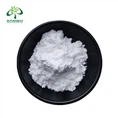
Yohimbe Bark Powder is derived from the bark extract of the African yohimbe tree (Pausinystalia johimbe) and contains an active compound called yohimbine. Yohimbine is a selective alpha-2 adrenergic receptor antagonist, which means it can block certain receptors in the body. This mechanism of action is thought to have potential effects on sexual health and performance.
Testosterone is a hormone that plays a critical role in male reproductive development, muscle mass maintenance, and overall well-being. While Yohimbe may indirectly affect testosterone levels through its action on receptors, the direct impact on testosterone production is not well understood.
Some animal studies have suggested that Yohimbe may increase testosterone levels, but these findings have not been consistently replicated in human studies. More research is needed to determine whether Yohimbe has a direct effect on testosterone levels in humans.
In a study published in the Journal of Pharmacology and Experimental Therapeutics, Yohimbine was found to increase serum testosterone levels in rats. However, it is important to note that animal studies have limitations when it comes to predicting the effects in humans.
One human study published in the journal Urology investigated the effects of Yohimbine on erectile dysfunction and hormone levels in men.
The study found that Yohimbine improved erectile function but did not significantly affect testosterone levels. Another study, published in the journal Pharmacology, Biochemistry, and Behavior, found no significant changes in testosterone levels in healthy men who received Yohimbine.
What Effects Does Yohimbine Have On Males
1. Erectile dysfunction: Yohimbine is commonly used as a natural remedy for erectile dysfunction (ED). It is believed to improve blood flow to the genital region by blocking alpha-2 adrenergic receptors and increasing nitric oxide release, which can lead to better erectile function. However, evidence supporting its effectiveness in treating ED is limited and inconsistent.
2. Sexual desire and libido: Yohimbine has been reported to have aphrodisiac properties and may enhance sexual desire or libido in some individuals. This effect is thought to be related to its ability to increase blood flow to the genital area and potentially enhance sexual arousal.
3. Sexual performance and endurance: Some individuals report that Yohimbine supplementation has positive effects on sexual performance and endurance. It may help delay ejaculation and prolong sexual activity. However, the evidence supporting these claims is limited, and more research is needed to determine the extent of its impact on sexual performance.
4. Fat burning and weight loss: Yohimbine is often included as an ingredient in fat-burning supplements due to its potential metabolic effects. It is thought to increase lipolysis, the breakdown of stored fats, and may boost fat oxidation during exercise. However, the evidence supporting its effectiveness as a weight loss aid is mixed, and the results may vary among individuals.

5. Athletic performance: Yohimbine is sometimes used by athletes to potentially improve performance. It may have stimulant properties that can increase energy levels and reduce fatigue. Some studies suggest that Yohimbine supplementation may enhance athletic performance, particularly during endurance exercises. However, more research is needed to fully understand its effects and determine optimal dosages.
What is the difference between yohimbe and yohimbine
Yohimbe: Yohimbe refers to the bark of the African yohimbe tree (Pausinystalia johimbe), native to West Africa. It has a long history of traditional use in African folk medicine, particularly for its potential aphrodisiac properties and as a remedy for sexual health issues.
The yohimbe bark contains several active compounds, with yohimbine being the most well-known and studied. Other alkaloids found in the bark include ajmalicine, quebrachine, and reserpine, among others. These compounds, together with yohimbine, contribute to the overall physiological effects of yohimbe.
Yohimbine: Yohimbine is the primary active compound found in the yohimbe bark. It is an indole-based alkaloid that acts as a selective alpha-2 adrenergic receptor antagonist. In simpler terms, it blocks specific receptors in the body, leading to various physiological effects.
The selective alpha-2 adrenergic receptor blockade by yohimbine has been linked to its potential effects on improving erectile function and sexual arousal. By blocking these receptors, yohimbine increases blood flow to the genital region and promotes the release of nitric oxide, which can aid in achieving and maintaining erections. Yohimbine has also been associated with potential effects on libido and sexual desire.
Yohimbine is not limited to its effects on sexual health. It has been investigated for its potential benefits in other areas, such as weight loss and athletic performance. Yohimbine's stimulant properties have led to its inclusion in some weight loss supplements, as it may promote fat burning and reduce appetite. Additionally, yohimbine's ability to increase adrenaline levels can enhance energy levels and aid in physical performance during exercise.
The key difference: In summary, the main difference between yohimbe and yohimbine lies in their scope of reference. Yohimbe refers to the bark of the African yohimbe tree, which contains various active compounds, including yohimbine. Yohimbine, on the other hand, specifically refers to the primary active compound found in the yohimbe bark.
If you are interested in our company's Yohimbe Bark Powder, please contact Xi'an Sonwu Biotech Co. Ltd.
Email: sales@sonwu.com