




What Drug Class Is Piperacillin Sodium
Piperacillin sodium powder is derived from the natural penicillin compound, 6-aminopenicillins acid. There is piperacillin in tissues and body fluids, including gastrointestinal mucosa, gallbladder, lungs, female reproductive organs, body fluids, and bile. As with other penicillins, piperacillin concentrations in CSF are low in noninflammatory meningeal lesions.
One of the main advantages of piperacillin sodium is its extended-spectrum activity. Piperacillin works against many bacteria and is especially useful for infections caused by multiple microorganisms or challenging disorders treated with other antibiotics. Also, penicillins, including piperacillin, contain a beta-lactam ring structure in their chemical composition. This ring is essential for its antibacterial activity. The mechanism of action of piperacillin sodium is similar to other penicillin drugs. Piperacillin works by inhibiting the synthesis of bacterial cell walls, weakening and eventually destroying the bacteria. By targeting the cell wall, piperacillin sodium effectively kills the susceptible bacteria.

What Are The Properties Of Piperacillin
Piperacillin possesses several specific properties that contribute to its effectiveness as an antibiotic.
Extended-spectrum: It demonstrates enhanced effectiveness against gram-negative bacteria due to its ability to penetrate the outer cell membrane of these organisms and target bacterial cell wall synthesis.
Beta-lactam antibiotic: Piperacillin's chemical structure contains a beta-lactam ring, crucial for its antibacterial activity. This step inhibits bacterial cell wall formation by binding to specific enzymes involved in synthesizing essential components of the bacterial cell wall.
This type of anti-infective drug is characterized by a specific effect on moderate to severe infections caused by sensitive bacteria, such as pelvic inflammatory disease, celiac disease, and diabetic foot, and other relatively serious infections may play a role.

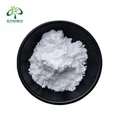
In addition, please know that this product is a white powder or off-white loose lump or powder, odorless and bitter but very hygroscopic. Piperacillin is relatively sensitive to some specific bacteria, so bacterial susceptibility tests can be carried out before use to determine whether it is effective for this strain. If necessary, check the patient's allergy history before use and perform a skin allergy test.
What Is The Mechanism Of Action Of Piperacillin Sodium
The action mechanism of piperacillin sodium inhibits the synthesis of diseased cell walls, causing the bacteria to weaken and eventually be destroyed. Bacterial cells possess a robust outer layer known as the cell wall, consisting mainly of a peptidoglycan polymer. Provides structural support and protection. Bacteria synthesize and maintain their cell walls through a complex process involving various enzymes.
Piperacillin sodium is a β-lactam antibiotic containing a β-lactam ring in its chemical structure. This ring is essential for its antibacterial activity. Piperacillin sodium binds to and inhibits the action of a group of enzymes called transpeptidases or penicillin-binding proteins (PBPs). Transpeptidases are crucial in cross-linking the peptidoglycan chains, strengthening the bacterial cell wall. However, when piperacillin sodium binds to the transpeptidases, it disrupts the cross-linking process, preventing the formation of a stable and functional cell wall. The internal pressure of the bacterial cell, combined with normal cellular activities, ultimately causes the weakened cell wall to rupture. It leads to the death or lysis of the bacteria.
Furthermore, piperacillin sodium may also activate bacterial autolysins. The activation of autolysins further contributes to the degradation of the weakened cell wall and the destruction of bacteria.

What Are The Warnings For Piperacillin
Like any medication, piperacillin is a potent antibiotic with specific warnings and precautions. Some essential signs associated with the use of piperacillin include:
1. CDAD
Using piperacillin may lead to clostridium difficile-associated diarrhea. CDAD can range from mild diarrhea to a life-threatening condition. If CDAD is suspected, it is essential to discontinue piperacillin treatment and seek medical attention.

2. Superinfection
The prolonged use of piperacillin can sometimes result in the growth of drug-resistant bacteria or fungi, leading to superinfections. If a secondary infection occurs during treatment, appropriate measures should be taken, including discontinuing piperacillin and treatment adjustment if necessary.
3. Renal impairment
Piperacillin may be excreted predominantly through the kidneys. Individuals with severe renal impairment may require dosage adjustments to prevent drug accumulation and potential toxicity. Proper monitoring of renal function and dose adjustment is crucial in these cases.
4. Seizures
Piperacillin may rarely cause seizures in some individuals, particularly those with a history of seizure disorders, renal impairment, or high doses.
5. Drug interactions
Piperacillin may interact with other medications, such as probenecid, which can increase blood levels and prolong the effects of piperacillin. Before starting piperacillin treatment, informing healthcare professionals about all current medications, including over-the-counter drugs and herbal supplements, is essential. The combination of this product and gentamicin has no synergistic effect on Enterococcus faecalis. The combination of this product and probenecid can prolong the half-life of piperacillin by 21% and the half-life of tazobactam by 71%.

FAQ
Xi'an Sonwu can supply piperacillin sodium raw materials and other API raw materials. If you want to know a piperacillin sodium supplier or have further questions about the product, please click on the mail. Xi'an Sonwu can provide suggestions or solve your problems.
Email: sales@sonwu.com