




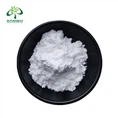
What Is The Other Name For Tizanidine Hydrochloride
Tizanidine hydrochloride powder is also known as Zanaflex. It is a drug primarily used to treat muscle spasms and related pain. It belongs to a class of muscle relaxants that reduce the symptoms of muscle spasms by affecting the nervous system's activity. It works by regulating neurotransmission and reducing nerve impulses, thereby relaxing muscles and reducing the frequency and severity of spasms. This drug works primarily by affecting the nervous system, reducing the transmission of nerve impulses, thereby alleviating involuntary muscle contractions and tension. The drug is used for a variety of conditions, including muscle problems caused by spinal cord injuries, multiple sclerosis, and other neurological-related conditions. The mechanism of action of tizanidine Hcl involves the modulation of alpha2-adrenergic receptors in the central nervous system. By stimulating these receptors, it reduces the release of nerve impulses and reduces nerve stimulation of the muscles, causing the muscles to relax. Tizanidine Hcl is used to treat a variety of conditions, such as spinal cord injuries, muscle spasms caused by multiple sclerosis, and muscle problems caused by other neurological disorders. If you are also interested in these extended-release products, don't hesitate to contact Xi'an Sonwu. Xi'an Sonwu can provide you with wholesale Tizanidine Hcl.

What Is Tizanidine Hcl Good For
Tizanidine Hcl is primarily used as a muscle relaxant to relieve muscle spasms, tension, and related pain. This compound is frequently used to treat a variety of conditions, particularly those related to neurological disorders, spinal cord injuries, and multiple sclerosis (MS).
One of the prominent applications of tizanidine Hcl is in controlling muscle spasticity, a condition characterized by increased muscle tone or stiffness. This stiffness can lead to various complications, including limited range of motion, pain, and impairment in daily activities. Tizanidine Hcl helps reduce these symptoms by relaxing muscles and improving mobility.
Muscle spasms are another common side effect of spinal cord injuries that can be crippling and negatively impact a person's quality of life. In these cases, it can reduce the frequency and intensity of spasms, thereby increasing comfort and improving function.
Another vital use of it is in treating symptoms associated with multiple sclerosis (MS). One of the several neurological symptoms brought on by multiple sclerosis (MS), a long-term autoimmune disease that affects the central nervous system, is muscle spasms. Tizanidine hydrochloride helps relieve spasticity and tightness associated with multiple sclerosis, increasing mobility and reducing discomfort.

What Is The Mechanism Of Action Of Tizanidine
The central nervous system's (CNS) alpha-2 adrenergic receptors are the primary site of action for the muscle relaxant tizanidine Hcl, which essentially acts through this mechanism. Because of the medication's unique pharmacological characteristics, people with multiple sclerosis (MS), spinal cord injuries, and other neurological illnesses can find relief from the symptoms of muscular spasms.
Alpha-2 adrenergic receptors are found throughout the central nervous system and play a crucial role in regulating the release of neurotransmitters involved in nerve signaling. Tizanidine hydrochloride acts as an agonist of these receptors, explicitly targeting and activating alpha-2 receptors in the spinal cord and brain. After administration, tizanidine hydrochloride interacts with presynaptic alpha-2 adrenergic receptors, causing a decrease in the release of excitatory neurotransmitters such as glutamate, which stimulates nerves that cause muscle contraction impulses. By reducing the release of these neurotransmitters, tizanidine hydrochloride inhibits the transmission of nerve signals involved in muscle contraction, thereby promoting muscle relaxation. Inhibition of the release of excitatory neurotransmitters, especially glutamate, results in decreased activation of motor neurons, which are responsible for signaling muscle contraction. Therefore, attenuating excitatory signals helps reduce muscle spasms and relieve associated symptoms such as stiffness and pain.
Additionally, tizanidine hydrochloride's effects extend beyond the spinal cord, affecting supraspinal sites in the brain and contributing to its muscle relaxant properties. By affecting areas of the brain involved in movement control and reflex regulation, it can enhance an overall reduction in muscle tone and spasticity.

Tizanidine Side Effects
Common side effects of tizanidine may include:
Drowsiness: Tizanidine may cause drowsiness, which makes it challenging to do tasks requiring mental attention, such as operating machinery or driving.
Dizziness: Some individuals may experience dizziness while taking tizanidine, particularly when changing positions, such as standing up from a sitting or lying position.
Dry mouth: Tizanidine can cause dry mouth, which may be alleviated by chewing sugarless gum, sucking on hard candy, or drinking water.
Asthenia: Weakness or loss of strength can occur as a side effect of tizanidine.
Less common or rare side effects may include:
Hypotension: Tizanidine may lower blood pressure, resulting in symptoms including lightheadedness, dizziness, or fainting.
Hepatotoxicity: In rare cases, tizanidine has been associated with liver injury, presenting as jaundice, dark urine, or upper abdominal pain.
Hallucinations: Some individuals may experience hallucinations while taking tizanidine.

A standard dose of tizanidine hydrochloride is 2-4 mg 2-4 times a day.
If you want to know about the tizanidine Hcl manufacturer, you can contact Xi'an Songwu. Click the email to get high-quality tizanidine.
Email: sales@sonwu.com