




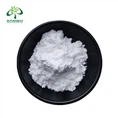
Have you ever wondered where the fascinating active compounds in cannabis plants actually come from? Hidden behind complex plant biochemical reactions is a mysterious molecule known as "olivetolic acid"-the very molecule that initiates the legendary journey of synthesizing a wide array of cannabinoids.Xi'an Sonwu offers olivetolic acid-related information and professional support for customers interested in this research compound.
What is the source of Olivetolic acid
Olivetolic Acid Powder (CAS No. 491-72-5) is a naturally occurring polyketide organic compound primarily associated with the cannabis plant (Cannabis sativa). It serves as a crucial precursor in the biosynthesis of cannabinoids.
The primary sources of olivetolic acid include:
1. Cannabis (Cannabis sativa)
It is naturally produced in cannabis via a specific polyketide biosynthetic pathway.
It acts as an early precursor in cannabinoid biosynthesis; when combined with geranyl pyrophosphate, it yields cannabigerolic acid (CBGA), the parent molecule of cannabinoids such as THC and CBD.
2. Plant biosynthetic pathways
In cannabis, it is generated through enzyme-catalyzed condensation and cyclization reactions involving precursor molecules such as hexanoyl-CoA and malonyl-CoA. Enzymes such as the compound cyclase are involved in this pathway.
3. Chemical synthesis (commercial source)
Due to the low efficiency of extraction from plants, research institutions and pharmaceutical suppliers typically obtain olivetolic acid through laboratory synthesis using organic chemistry methods rather than extracting it directly from plants.
Synthetic production yields products of higher purity and consistent quality to meet research needs.
4. Related natural compounds
Structurally related compounds (such as olivetol) are found in certain lichen species, but the compound itself is primarily regarded as a cannabis-associated metabolite. Commercially, it is typically produced via chemical synthesis for research purposes.

What are the uses of olivetolic acid
Olivetolic acid (also known as olivetol acid) is primarily used as a biosynthetic precursor, a research compound, and a chemical intermediate, particularly in studies related to cannabinoid chemistry and natural product synthesis.
The main uses of the compound include:
1. Precursor for cannabinoid synthesis
Olivetolic acid is a key intermediate involved in the biosynthetic pathway of cannabinoids in *Cannabis sativa*. During cannabinoid formation, olivetolic acid is enzymatically combined with geranyl pyrophosphate (GPP) through the action of geranylpyrophosphate:olivetolate geranyltransferase (GOT) to produce cannabigerolic acid (CBGA). As the central precursor molecule, CBGA is subsequently converted into major cannabinoids, including tetrahydrocannabinolic acid (THCA), cannabidiolic acid (CBDA), and cannabichromenic acid (CBCA), through specific synthase enzymes. Due to its essential role in cannabinoid biosynthesis, olivetolic acid is widely studied in metabolic engineering, plant biotechnology, and synthetic biology for improving cannabinoid production and developing novel cannabinoid-related compounds.
2. Pharmaceutical and drug research
Olivetolic acid is regarded as a valuable molecular building block for pharmaceutical research, particularly in the development of cannabinoid-inspired compounds and bioactive molecules. Researchers investigate its chemical structure and biosynthetic role to explore the generation of derivatives with potential biological activities, including anti-inflammatory, antioxidant, neuroprotective, antimicrobial, and analgesic effects. Although olivetolic acid itself is not an approved therapeutic drug and requires further clinical evaluation, its importance as a precursor and research tool continues to grow in studies focused on cannabinoid pharmacology, drug discovery, and the development of new therapeutic strategies.

3. Natural product and biosynthesis research
It serves as a model compound for understanding polyketide biosynthesis, enzyme catalysis, and plant secondary metabolism. Scientists use this compound to study how plants produce complex bioactive molecules.
4. Chemical synthesis and biotechnology
Olivetolic acid can be used as a starting material for synthesizing cannabinoid analogs and other aromatic compounds.
It is also utilized in metabolic engineering research to produce cannabinoids or cannabinoid-like molecules using microbial systems such as engineered yeast or bacteria.
5. Laboratory research applications
Commercially available, it is primarily supplied as a research reagent for studies on cannabinoid biosynthesis, enzyme activity assays, natural product chemistry, and drug discovery. Currently, it is not used as a direct medication or dietary supplement.
Research Interest:
The scientific interest in olivetolic acid mainly comes from its role as a precursor in cannabinoid biosynthesis. Cannabinoids derived from this pathway, such as CBD and THC, have been widely studied for their biological activities.

What Are the Side Effects of Olivetolic Acid
Olivetolic acid is a natural polyketide compound primarily used in scientific research and serves as a key precursor in the biosynthesis of cannabinoids. Existing research suggests that experimental ingestion of the compound may be associated with potential gastrointestinal discomfort (such as nausea and abdominal distress), allergic reactions (such as skin itching or rashes), and unknown risks linked to long-term or high-dose exposure. Furthermore, as its metabolic pathways and potential drug interactions have not been fully investigated, its safety when used in combination with other medications requires further evaluation. Currently, it is primarily used as a research reagent in studies on cannabinoid synthesis, natural products, and biosynthesis; its specific safety profile and potential health impacts require further clinical research to be fully established.
For those interested in learning more about olivetolic acid, Xi'an Sonwu offers professional information, product resources, and support for this compound.
Email: sales@sonwu.com
References:https://pubchem.ncbi.nlm.nih.gov/compound/olivetolic%20acid?utm_source=chatgpt.com