




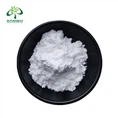
What is Phenergan
Phenergan powder usually refers to the raw material of promethazine hydrochloride, which is the active ingredient in the drug Phenergan (promethazine). It is mainly used in the preparation of pharmaceutical formulations such as tablets, syrups, injections, or suppositories. Promethazine belongs to the first-generation antihistamines and has anti-allergic, antiemetic, sedative, and anti-motion sickness effects. Therefore, it is widely used to relieve allergy symptoms, prevent and treat nausea and vomiting, relieve motion sickness, and provide short-term sedation management before and after surgery. Pharmacologically, promethazine reduces allergic reactions caused by histamine release by blocking histamine H1 receptors in the body, such as runny nose, sneezing, itchy skin, urticaria, and eye discomfort. At the same time, it can also act on the central nervous system and the vomiting center, thus having significant sedative and antiemetic effects. It has certain application value in relieving travel motion sickness, postoperative nausea and vomiting, and in some patients with anxiety and insomnia. It is important to note that Phenergan is not an anesthetic or opioid, but rather an antihistamine. However, due to its strong sedative effect, driving or operating dangerous machinery should be avoided while using it. Furthermore, this drug poses a serious risk of respiratory depression in infants, especially children under two years old, and should be used strictly under the guidance of a medical professional. In recent years, promethazine, due to its multiple pharmacological properties, remains one of the more common and important drug components in clinical allergy management, nausea and vomiting control, and adjunctive sedation. Its raw materials have good water and alcohol solubility and are mainly used by pharmaceutical companies and research institutions. If you are also interested in Phenergan, please feel free to contact Xi'an Sonwu for pricing, shipping, or any other questions.

How long does Phenergan last
Phenergan (promethazine) typically begins to take effect within 20 to 60 minutes after oral administration, reaching peak plasma concentration in about 2 to 3 hours. Therefore, many people take it before bedtime for better sedation. For most users, its main effects last about 4 to 6 hours, but sedation and drowsiness often last longer; some people may still feel sleepy or slowed to react for 6 to 12 hours after taking the medication.
Although the obvious effects of Phenergan gradually diminish, the drug itself remains in the body for a longer period, with an elimination half-life of approximately 10 to 19 hours. This means that even after the user feels the effects have worn off, a certain concentration of the drug may still remain in the body. Therefore, some people may experience a "hangover" the next morning, manifesting as grogginess, decreased attention, dry mouth, mild dizziness, or fatigue. This is more likely to occur in the elderly, those with impaired liver function, and those taking other sedative medications concurrently.

From a sleep aid perspective, phenergan can reduce central nervous system arousal levels by blocking histamine receptors, thereby helping people fall asleep faster and reducing the number of nighttime awakenings. However, it is not a long-term treatment specifically designed for insomnia and is therefore generally more suitable for short-term or occasional use. Long-term frequent use may lead to increased tolerance, gradually weakening the sedative effect, and may also increase daytime sleepiness, cognitive decline, and the risk of falls.
What is the major side effect of promethazine
The main side effects of promethazine (usually sold under brand names such as promethazine or phenergan) are primarily related to its potent antihistamine and sedative effects.
Most common side effect: Drowsiness
The most significant and frequently reported side effect is drowsiness or sedation. Promethazine may cause: drowsiness, fatigue, decreased alertness, slowed reaction time, and difficulty concentrating.
Due to this side effect, it is generally recommended to avoid driving, operating machinery, or engaging in activities requiring full concentration after taking promethazine.

Other common possible side effects
Promethazine may also cause: dizziness, dry mouth, blurred vision, constipation, headache, and confusion (especially in older adults).
Serious but less common side effects
In some cases, promethazine may cause: severe drowsiness or respiratory depression (especially in children, or when used in combination with alcohol, opioids, or other sedatives), low blood pressure, irregular heartbeat, muscle cramps or involuntary movements, and allergic reactions, including less common reactions such as rash or swelling.
It is important to note that promethazine should not be given to children under 2 years of age, as it can cause serious respiratory problems. Older adults may be more sensitive to its sedative and anticholinergic effects, increasing the risk of falls and confusion.
Xi'an Sonwu can provide not only promethazine but also other pharmaceutical raw materials. If you want to know the promethazine price or have further questions about this product, please click the email address, and Xi'an Sonwu will provide good suggestions or solutions for your questions.
Email: sales@sonwu.com
References:https://www.drugs.com/pro/phenergan.html?utm_source=chatgpt.com