




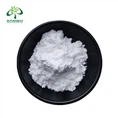
How does bupropion hydrochloride improve mood and aid in smoking cessation by regulating dopamine and norepinephrine? This guide provides a comprehensive analysis of its pharmacological mechanisms, clinical uses, and professional characteristics as a pharmaceutical raw material, offering you authoritative and easy-to-understand industry references.
What is bupropion hydrochloride
Bupropion Hcl powder is the hydrochloride form of bupropion, a synthetic compound belonging to the aminoketone class of antidepressants. It is primarily used as the active pharmaceutical ingredient (API) in the research and production of medications for treating major depressive disorder (MDD) and as an aid to smoking cessation. Bupropion hydrochloride primarily works by influencing the activity of certain neurotransmitters in the brain, particularly dopamine and norepinephrine, which are involved in mood regulation, motivation, and reward pathways.
Unlike many traditional antidepressants that primarily act on the serotonin system, bupropion hydrochloride mainly functions as a norepinephrine-dopamine reuptake inhibitor (NDRI), helping to increase the availability of these neurotransmitters between nerve cells. Due to its unique mechanism of action, its potential effects on mood, energy levels, concentration, and nicotine dependence have been extensively studied. In drug development and production, it is highly valued for its chemical stability, purity, and suitability as a raw material for tablets or extended-release formulations. If you have the needs mentioned above and need bupropion, please feel free to contact Xi'an Sonwu.

What Is The Mechanism Of Action Of Bupropion Hydrochloride
Bupropion hydrochloride primarily acts by modulating the activity of two key neurotransmitters in the brain: dopamine (DA) and norepinephrine (NE). Its main mechanism of action is as a norepinephrine-dopamine reuptake inhibitor (NDRI), meaning it reduces the reuptake of these neurotransmitters by nerve cells, allowing them to remain in the synaptic cleft for longer. It primarily targets the dopamine transporter (DAT) and the norepinephrine transporter (NET). Inhibiting these transporters enhances dopaminergic and noradrenergic signaling, thereby affecting pathways involved in mood regulation, motivation, attention, energy, and reward processing. This mechanism differs from many traditional antidepressants that primarily act on the serotonin pathway.
In addition to its effects on dopamine and norepinephrine, bupropion and its metabolites also interact with nicotinic acetylcholine receptors (nAChR). Bupropion, as a non-competitive antagonist of certain nicotine receptors, particularly those involved in nicotine reward and dependence pathways, may help alleviate nicotine cravings and withdrawal symptoms during smoking cessation.
Studies have shown that the combined effects of bupropion on monoamine signaling and nicotine receptor activity constitute its pharmacological characteristics:
Dopamine reuptake inhibition: Enhances dopamine signaling associated with motivation, reward, and reinforcement pathways.
Norepinephrine reuptake inhibition: Helps regulate alertness, attention, and emotional responses.
Nicolinic receptor modulation: Affects nicotine-related neural pathways and may reduce the reinforcing effects of nicotine exposure.

What is bupropion hydrochloride used for
Bupropion hydrochloride is a medication primarily used to treat major depressive disorder (MDD) and as an aid to smoking cessation. It is also investigated and used in certain clinical situations to treat other conditions requiring regulation of dopamine and norepinephrine activity.
Bupropion hydrochloride belongs to the norepinephrine-dopamine reuptake inhibitor (NDRI) class of drugs. Its main function is to inhibit the reuptake of norepinephrine and dopamine, two neurotransmitters involved in mood, motivation, attention, and reward pathways. By increasing the availability of these neurotransmitters in the brain, bupropion may help improve depressive symptoms such as low mood, decreased energy, and loss of interest.
In addition to its use in treating depression, the compound is well-known for its role in smoking cessation programs. It can help reduce nicotine cravings and withdrawal symptoms by affecting neural pathways associated with nicotine dependence and reward signals. Unlike nicotine replacement therapy, it does not contain nicotine. Bupropion hydrochloride has also been studied for its potential applications in attention, energy regulation, and certain mood-related disorders, but its approved uses vary by country and dosage form. It is available in various dosage forms, including immediate-release, sustained-release, and controlled-release formulations, designed to provide different release profiles.
As an active pharmaceutical ingredient, it is primarily used for research, analytical testing, and drug manufacturing. Its use must comply with relevant quality standards, regulatory requirements, and professional medical guidance.

What Does HCl Mean In Bupropion
In bupropion hydrochloride, HCl stands for hydrochloride salt. It refers to the chemical form in which the weakly basic compound bupropion combines with hydrochloric acid (HCl) to form a more stable salt.
The hydrochloride salt form is not a separate active drug; the active molecule is still bupropion. Adding HCl primarily alters the physical and chemical properties of the compound, for example:
Increased stability: The hydrochloride salt form is generally more stable during storage and manufacturing.
Improved formulation performance: It can enhance the handling, solubility, and consistency of the compound during tablet and other dosage form manufacturing.
Precise dosage: The defined salt form allows manufacturers to accurately measure and formulate the active ingredient.
The mechanism of action of bupropion hydrochloride is the same as that of bupropion, primarily acting as a norepinephrine-dopamine reuptake inhibitor (NDRI). It increases the availability of norepinephrine and dopamine in the nervous system; these two neurotransmitters are involved in mood regulation, motivation, attention, and reward pathways.
In drug nomenclature, many drugs appear in the form of a salt, such as bupropion hydrochloride, lidocaine hydrochloride, or metformin hydrochloride. The "HCl" part indicates the salt form used to optimize the drug's properties, while the therapeutic activity comes from the main ingredient (bupropion).
If you want to know the manufacturer of bupropion, you can contact Xi'an Sonwu. Click the email to get high-quality bupropion hydrochloride.
Email: sales@sonwu.com
Refarcenes:https://www.sciencedaily.com/releases/2018/05/180523150007.htm