




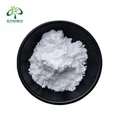
What Class Of Drug Is Marbofloxacin
Marbofloxacin powder belongs to the group of medications known as fluoroquinolones. A class of synthetic antibiotics, fluoroquinolones, exhibits broad-spectrum activity against various bacteria. They originate from nalidixic acid, the first fluoroquinolone released in the 1960s. It was produced explicitly from the fluoroquinolone substance enrofloxacin to increase marbofloxacin's effectiveness and safety for animal usage.
It specifically targets DNA gyrase and topoisomerase IV to prevent bacteria from synthesizing DNA. These enzymes play a role in bacterial DNA replication, transcription, and repair. Sensitive bacteria die due to marbofloxacin disrupting these vital processes by reducing their activity. Gram-positive and Gram-negative bacteria, such as Escherichia coli, Staphylococcus, Streptococcus, Proteus, Pasteurella, etc., are all susceptible to the broad-spectrum activity of it. It is a vital tool for veterinarians in treating numerous animal illnesses due to its potency against various bacterial species. Infections of the skin and soft tissues, urinary tract, gastrointestinal, and respiratory tracts in dogs and cats are routinely treated with it in veterinary medicine. Due to its application in drugs, dyes, and polymerization, more and more suppliers are in the market. If you need bulk dihydroquercetin, Xi'an Sonwu can provide it to you.

What Bacteria Does Marbofloxacin Treat
It is a broad-spectrum antibiotic that can effectively treat various animal bacterial infections. It is commonly used in veterinary medicine to target multiple bacterial pathogens, including:
1. Escherichia coli: It is commonly used to treat infections caused by E. coli, such as urinary tract infections, gastrointestinal infections, and respiratory tract infections.
2. Staphylococcus spp.: Coagulase-negative staphylococci and Staphylococcus aureus strains can be successfully treated with it. It is widely used to treat infections caused by these bacteria in the skin and soft tissues.
3. Streptococcus spp.: Only a few streptococcal species that can produce infections that can be treated with it include Streptococcus pneumoniae and Streptococcus pyogenes. These microbes can infect the skin, respiratory system, and other organs.
4. Proteus spp.: It is active against some strains of Proteus mirabilis and Proteus vulgaris, common causes of urinary tract infections.
5. Pasteurella spp.: It can be effective against Pasteurella multocida, often associated with animal respiratory tract infections.
Is Marbofloxacin Safe For Dogs
It is generally considered safe for dogs when used as directed by a veterinarian. It is an antibiotic frequently recommended in veterinary medicine to treat different bacterial diseases in dogs.
Adverse Reactions: It may cause side effects or unpleasant reactions in particular dogs. These include gastrointestinal distress (such as nausea or diarrhea), appetite loss, and, in rare instances, allergic reactions or effects on the central nervous system.
Breeds at Risk: Some dog breeds, especially large and giant breeds, may have an increased risk of developing musculoskeletal problems associated with fluoroquinolone use. These problems manifest as joint stiffness, lameness, or reluctance to move. The veterinarian must consider the breed and individual dog's characteristics when prescribing it or any fluoroquinolone antibiotic.
Use in Pregnant and Nursing Dogs: A veterinarian should carefully assess the usage of it in canines that are expecting or nursing. Alternative treatment methods may be considered, and there may be potential dangers to the mother and growing puppies.

Is Marbofloxacin Safe For Cats
Yes, marbofloxacin can be safe for cats when used appropriately and under the guidance of a veterinarian. It is commonly prescribed in veterinary medicine to treat bacterial infections in cats. Like any antibiotic, it may have potential side effects in cats, although they are generally uncommon. The gastrointestinal system may be affected, resulting in nausea or diarrhea as possible adverse effects. In rare cases, cats may also experience hypersensitivity or allergic reactions to the medication, manifesting as skin rashes, swelling, or difficulty breathing.
Individual Health Considerations: The animal's overall health and medical history significantly determine which medications can be safely mixed with it. Certain conditions like renal or hepatic dysfunction may require adjusted dosing or alternative treatment options.

What Is The Dosing For Marbofloxacin
The dosing for it can vary depending on the specific condition being treated, the animal's weight, and the veterinarian's recommendation.
For dogs, the typical dosage range for it is 2-5 mg per kilogram of body weight, given orally once daily or as directed by the veterinarian. However, the exact dose and duration of treatment may vary based on the infection's severity and the dog's specific needs.
The typical dosage range for it for cats is 2-4 mg per kilogram of body weight, given orally once daily or as the veterinarian prescribes. Again, the dose and duration may vary depending on the treated condition.
Also, judging from Xi'an Sonwu company's more than ten years of manufacturer experience. Combining it with other antibiotics or medications may be necessary to treat certain infections effectively. Xi'an Sonwu not can provide you with raw marbofloxacin but also offer you other veterinary products. If you need marbofloxacin or have further questions about this product, click the email address, then Xi'an Sonwu will provide a good suggestion or solution for your problem.
Email: sales@sonwu.com