




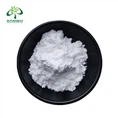
What is Phenibut, and how does it work in the brain? As a synthetic GABA-related compound, Phenibut has attracted scientific interest for its ability to interact with GABA-B receptors and calcium channels. This article explores its mechanism of action, relationship with GABA, and the current understanding of its potential effects.
What type of drug is phenibut
Phenibut powder (β-Phenyl-γ-aminobutyric acid) is a synthetic GABAergic neuromodulatory compound, first developed by Soviet scientists in the 1960s. It shares a structure with the neurotransmitter GABA and, due to the inclusion of a phenyl group, exhibits some blood-brain barrier penetration. Phenibut primarily acts by activating GABA-B receptors and modulating voltage-gated calcium channels (VGCCs), thereby reducing nervous system excitability. Therefore, it has been studied for its potential applications in anxiety regulation, stress relief, and sleep improvement. Some studies and usage reports suggest that it may have sedative, anti-anxiety, mood-enhancing, and relaxation-promoting effects, and may also affect dopamine-related pathways. However, because it acts on the central nervous system, long-term or frequent use may lead to tolerance, dependence, and withdrawal symptoms upon discontinuation. Currently, it is considered a GABAergic compound of research value in most countries. Special attention should be paid to the potential risks associated with its combined use with alcohol, benzodiazepines, and other central nervous system depressants. For more information about phenibut, please get in touch with Xi'an Sonwu.

How does phenibut work
Phenbutylamine primarily works by modulating the brain's inhibitory signaling system, particularly through pathways associated with gamma-aminobutyric acid (GABA). GABA is the main neurotransmitter responsible for reducing excessive neuronal activity. While phenbutylamine has a structure similar to GABA, it is a modified compound designed to interact more effectively with the central nervous system.
Its main mechanisms of action include:
1. Activation of GABA-B receptors
The primary known action of phenbutylamine is as a GABA-B receptor agonist. When phenbutylamine binds to GABA-B receptors, it enhances inhibitory signaling in the brain, thereby helping to slow overactive neural communication. This mechanism is associated with its reported sedative, relaxing, and anxiety-relieving effects.
Activation of GABA-B receptors may affect: neuronal excitability, stress-related signaling, transmission of muscle relaxation pathways, and sleep regulation. This mechanism is similar to that of another GABA-B receptor agonist, baclofen, but due to differences in molecular structure, phenbutylamine possesses different pharmacological properties.
2. Regulation of Voltage-Gated Calcium Channels
Phenbutylamine also interacts with the α2δ subunit of voltage-gated calcium channels (VGCCs). By affecting calcium channel activity, phenbutylamine may reduce the release of certain excitatory neurotransmitters, thereby helping to regulate communication between nerve cells. This pathway is also involved in the effects of gabapentin compounds (such as gabapentin and pregabalin), which affect neuronal signaling by regulating calcium channels.
3. Effects on Dopamine Signaling
Studies have shown that phenbutylamine may affect dopamine activity in certain brain regions. This interaction is considered one of the reasons why some users report improvements in mood, motivation, or social skills. However, these effects vary with dosage, individual physiological differences, and frequency of use.
Overall Effects on the Brain
Phenbutylamine, through its combined action on GABA-B receptors and calcium channels, may shift the balance of brain activity towards an inhibitory state. Reported effects include reduced anxiety and tension, enhanced relaxation, improved stress coping abilities, sedative or sleep-inducing effects, and improved mood and social comfort.

However, due to its strong effects on central nervous system pathways, repeated use may lead to tolerance, meaning higher doses may be needed to achieve similar effects. Furthermore, dependence and withdrawal symptoms have been reported, especially after frequent or prolonged use. Its mechanism of action involves enhancing inhibitory signaling in the brain by activating GABA-B receptors and modulating calcium channels, thereby producing a sedative effect. Still, it also carries potential risks, including tolerance and dependence.
Is phenibut the same as GABA
Phenibut is not the same as GABA, although the two compounds are closely related. GABA (gamma-aminobutyric acid) is a naturally occurring inhibitory neurotransmitter in the human brain that plays an important role in maintaining balance between neuronal excitation and relaxation. By reducing excessive nerve signaling, GABA helps regulate processes related to calmness, stress response, and normal brain activity. However, because GABA has limited ability to cross the blood–brain barrier, its direct effects on the central nervous system may be relatively restricted when taken externally.
Phenibut (β-Phenyl-γ-aminobutyric acid) is a synthetic derivative of GABA that was developed by modifying the GABA structure with an additional phenyl group. This structural change improves its ability to cross the blood-brain barrier. It allows for more direct interaction with specific neural targets, particularly GABA-B receptors and α2δ subunits of voltage-gated calcium channels. As a result, phenibut has been studied for its potential calming, anxiolytic, and relaxing properties, with effects that differ from ordinary GABA. Although phenibut is often discussed as a GABA-related compound or nootropic research substance, it should be distinguished from the natural neurotransmitter itself. Due to its influence on central nervous system pathways, repeated or high-frequency use has been associated with concerns about tolerance and dependence, underscoring the importance of further research and careful evaluation.

Xi'an Sonwu supplies high-quality phenibut powder for research and pharmaceutical applications. We provide reliable product quality, technical documentation, and bulk supply services. For COA, specifications, or wholesale inquiries, please get in touch with our team.
Email: sales@sonwu.com
References:https://mail.tudomuaban.com/chi-tiet-rao-vat/2699540/purches-oxycodone-online-get-in-seal-from-alabama.html