




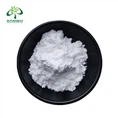
Vincristine Sulfate Structure
Vincristine sulfate powder, or the form of vincristine, is a commonly used chemotherapy drug that belongs to the plant alkaloids. It inhibits the growth and spread of diseased cells by interfering with their mitotic progression. It acts on tubulin and blocks essential components of the cytoskeleton, thereby causing damage to the metabolic function of diseased cells. This metabolic damage ultimately leads to toxic effects on diseased cells, thereby inhibiting the proliferation of these diseased cells. It has a reasonably complex chemical structure and belongs to a class of vinca alkaloids. The molecular formula of vincristine sulfate is C46H56N4O10∙H2SO4, showing the arrangement of carbon (C), hydrogen (H), nitrogen (N), and oxygen (O) atoms. The structure involves much more three-dimensional complexity, and the precise stereochemistry can significantly affect the molecule's biological activity. Whether you need raw vincristine sulfate or other raw products, you can contact Xi'an Sonwu.

Vincristine Sulfate Uses
1. Acute lymphoblastic leukemia (ALL)
Acute lymphoblastic leukemia originates from lymphocytes and is a malignant disease of the blood and lymphatic system. ALL occurs primarily in children and adolescents but can also be found in adults. This type of leukemia usually manifests as an abnormal proliferation of lymphoblastoid or B-lymphoblastoid cells, causing abnormal flooding of the bone marrow, blood, and other tissues. Due to the massive proliferation of leukemia cells, normal hematopoietic function is inhibited, which may lead to anemia, manifested by symptoms such as fatigue and weakness, and patients are also prone to congestion and ecchymosis. A buildup of leukemia cells in the bone marrow may also cause joint and bone pain. This product is often used to treat ALL, a disease that affects the blood and bone marrow. It is usually part of a combination chemotherapy regimen in children and adults.
2. Hodgkin lymphatic and non-Hodgkin lymphatic diseases
Hodgkin lymphoma often has the presence of Reed-Sternberg cells, which are large multinucleated giant cells characteristic of HL. This unique cell makes HL pathologically distinguishable from other lymphomas. Non-Hodgkin's lymphoma is a diverse group of lymphoid diseases whose characteristic cells are malignant lymphocytes. In NHL, multiple subtypes exist, including diffuse extensive B-cell lymphoid disease, follicular lymphoid disease, small lymphocytic lymphoid disease, etc. This product is essential to chemotherapy regimens for Hodgkin's lymphatic disease and various non-Hodgkin's lymphatic disease forms. It helps inhibit the growth of diseased cells in the lymphatic system.

3. Neuroblast diseases
Neuroblastic diseases are malignant lesions originating from neural precursor cells that typically occur in infancy and early childhood. The disease primarily affects the nervous system of young children, specifically the nerve tissue near the adrenal glands. Neuroblastic disease may appear in the baby's abdomen, chest, spine, or pelvis. This product is commonly used to treat neuroblastic disorders, primarily pediatric patients.
4. Wilms disease
Wilms' disease, also known as nephroblastosis, is a kidney disorder that primarily affects children. It is the most common kidney disease in children and is usually diagnosed in children between 3 and 4 years of age. It affects one or both kidneys and is generally treated with vincristine sulfate as part of a comprehensive treatment approach.
5. Rhabdo muscle disease
Rhabdomyosarcoma is a rare but aggressive soft tissue disorder that originates in striated muscle tissue, either skeletal or smooth muscle. This lesion occurs mainly in children and adolescents but can also occur in adults. Rhabdomyosarcoma usually occurs in an area of the body such as the head and neck, urinary system, extremities, or trunk.

What Is The Classification Of Vincristine Sulfate
1. Vincristine
Vincristine is a naturally occurring plant alkaloid with a complex molecular structure and is a compound extracted from Catharanthus roseus. It is an active ingredient that has been extensively studied and used as an antipathogenic drug. Vincristine sulfate is the sulfate form of vincristine. During the pharmaceutical manufacturing process, converting vincristine to its sulfate form improves its water solubility, making the drug more accessible to distribute and use in the body. The sulfate form contributes to the stability and bioavailability of the drug. Although the anti-lesion active ingredient we are discussing is vincristine, in pharmaceutical preparations and clinical use, its sulfate form, vincristine sulfate, is usually used. From a pharmacological perspective, the mechanisms of action of vincristine and sulfate form are the same. They all interfere with the normal function of microtubules and prevent the mitosis and proliferation of diseased cells, thereby achieving anti-pathological effects.
2. Vinblastine
Vinblastine is an anti-microtubule drug that blocks the metaphase of cell division by inhibiting the polymerization of tubulin, thereby inhibiting the proliferation of swollen and bad cells. Vinblastine is mainly used to treat Hodgkin lymph disease, non-Hodgkin lymph disease, testicular lesions, and specific renal lesions. Vincristine sulfate has a broader range of clinical applications, including treating acute leukemia, chronic leukemia, Hodgkin lymph disease and non-Hodgkin lymph disease, malignant lesions, etc. Vinblastine is clinically used to treat specific diseases, especially in combination with other drugs in specific chemotherapy regimens to enhance the efficacy. Vincristine is commonly used in a variety of chemotherapy regimens, especially in the treatment of childhood diseases. The main adverse impact of anthocyanine is suppression of the bone marrow, which can reduce platelet and white blood cell counts. What is unique about neonine is that it may cause peripheral neuropathy, manifested by symptoms such as numbness and weakness in the limbs.

3. Vindesine
Vindesine is a semi-synthetic vinblastine compound whose chemical structure has been modified to increase its efficacy and reduce specific side effects. The use of vindesine is usually targeted at those with a disease that has not responded well to other treatments or as part of a combination chemotherapy regimen. It has shown effectiveness against specific solid diseases and blood disease cells. Side effects of vindesine may include myelosuppression, neurotoxicity (but usually lower than that of vincristine), alopecia, and abnormal liver function. Vincristine is mainly known for its neurotoxicity and may cause peripheral neuropathy manifested by numbness, pain, and muscle weakness in the hands and feet. It may also cause mild to moderate bone marrow suppression, gastrointestinal side effects, and hair loss.
If you want to know the vincristine sulfate manufacturer, you can contact Xi'an Sonwu. Click the email, and then you will get high-quality raw materials.
Email: sales@sonwu.com