




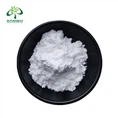
Honokiol Powder is a characteristic biphenolic compound. It has been used in traditional medicine for centuries. It is believed to have antioxidant, anti-inflammatory, and neuroprotective properties. Studies suggest that honokiol may have potential applications in the treatment of anxiety, stress, cognitive function, and certain types of cancer. Additionally, it has been investigated for its potential in supporting cardiovascular health and combating certain types of bacteria. However, further research is needed to fully understand its therapeutic potential and to determine appropriate clinical applications. As usual, it's critical to talk with a medical services proficient prior to utilizing honokiol for any wellbeing related reason.
Honokiol is a characteristic compound found in the bark, seed cones, and leaves of the Magnolia tree, specifically in the species Magnolia officinalis and Magnolia grandiflora. The bark of Magnolia trees is considered one of the richest sources of honokiol. Traditional Chinese and Japanese medicine have utilized various parts of the Magnolia tree, including the bark and seed cones, for their medicinal properties, which include honokiol. These natural sources of honokiol have been used for centuries in herbal remedies to treat various ailments.

It's important to note that the extraction and isolation of honokiol from these natural sources involve specific processes to obtain the pure compound for medicinal use. As always, it is recommended to consult with a healthcare professional before using any natural sources of honokiol for health purposes.
What is honokiol good for
Honokiol has been studied for various potential applications in medicine due to its pharmacological properties. Some of the potential uses of honokiol include:
1. Anti-inflammatory: Honokiol has shown promise in reducing inflammation, which might be gainful in conditions connected with irritation, for example, joint pain and certain skin problems.
2. Anti-oxidative: Its antioxidant properties make honokiol potentially useful in combating oxidative stress, which is implicated in various diseases and aging processes.
3. Neuroprotection: Research indicates that honokiol may have neuroprotective effects, which could be important in conditions influencing the sensory system, like neurodegenerative illnesses.

4. Anxiolytic: Honokiol has been investigated for its potential as an anxiolytic agent, suggesting its use in managing anxiety and related conditions.
5. Anti-cancer: There is ongoing research into the potential anti-cancer properties of honokiol, particularly its ability to inhibit the growth of cancer cells.
6. Cardiovascular health: Honokiol has been read up for its expected advantages in supporting cardiovascular wellbeing and decreasing the gamble of cardiovascular illnesses.
7. Sleep promotion: Research suggests that honokiol may have potential benefits for supporting sleep and relaxation. It has been studied for its anxiolytic and sedative effects, with some evidence indicating that it may help to promote sleep by affecting certain neurotransmitters in the brain.
It's important to note that while preliminary research and traditional use show promise, further clinical examinations are important to lay out the security and adequacy of honokiol for these reasons. Continuously counsel a certified medical care proficient prior to involving honokiol or some other enhancement for therapeutic purposes.
Is honokiol the same as magnolia bark
Honokiol is a specific compound found in magnolia bark, among other parts of the magnolia tree. While honokiol is one of the bioactive constituents of magnolia bark, it is not the only one. Magnolia bark contains multiple bioactive compounds, including honokiol and magnolol, which have been studied for their potential health benefits.

It's important to note that while honokiol is derived from magnolia bark, they are not the same. Magnolia bark contains a variety of compounds, with honokiol being just one of them. However, honokiol is considered one of the key active ingredients in magnolia bark, contributing to its potential medicinal properties. When considering the use of magnolia bark or honokiol for health purposes, it's fundamental to talk with a medical services proficient for proper direction and measurement proposals.
What's the side effects
Research on the potential side effects of honokiol is still limited, and information on its safety profile is not as comprehensive as for some other compounds. As with any natural or synthetic substance, there is a possibility of side effects, particularly when taken in over the top sums or in mix with different prescriptions. Some potential side effects associated with honokiol may include:
1. Gastrointestinal Issues: Some individuals may experience digestive disturbances such as stomach upset, nausea, or diarrhea.
2. Allergic Reactions: Rare cases of allergic reactions to honokiol have been reported. It is essential to monitor for any signs of allergic responses, such as rash, itching, or swelling.
3. Drug Interactions: Honokiol may interact with certain medications or supplements, potentially affecting how they work in the body. It is crucial to consult with a healthcare provider before taking honokiol, especially if you are taking other medications.

4. Hormonal Effects: Some studies suggest that honokiol may have hormonal effects, which could impact hormone-sensitive conditions. Individuals with hormone-related disorders should exercise caution when using honokiol.
5. Blood Pressure Regulation: Honokiol may have effects on blood pressure regulation. Individuals with blood pressure concerns should monitor their blood pressure levels when using honokiol.
As research on honokiol continues, more information about its side effects and safety profile may emerge. It is continually recommended to talk with a medical services proficient prior to utilizing honokiol or any new enhancement, particularly in the event that you have previous medical issue or are taking prescriptions.
If you want to know more about this product, feel free to contact Xi'an Sonwu.
Email: sales@sonwu.com