




What Is Pramiracetam Good for
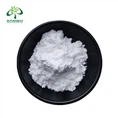
Pramiracetam powder, also known as N-[2-[bis(propyl-2-yl)amino]ethyl]-2-(2-oxopyrrolidin-1-yl)acetamide, CAS is 68497-62-1; Molecular Formula:C14H27N3O2, and a white powder, which a racetam drug. Pramiracetam was developed by Parker-Davis in 1970 to treat people with brain injury, central nervous system disease and neurodegenerative diseases. Pramiracetam is fat-soluble and can be taken orally. In clinical studies, pramiracetam has been shown to improve memory in older adults and improve cognition in younger adults with memory problems. It also optimizes overall brain function, improving focus and efficiency. Its effects make it a popular choice for students and others who want to improve their intelligence.

How Does Pramiracetam Work?
Pramiracetam affects the release of neurotransmitters that is a kind of chemical substance to transmit signals from one nerve cell to another. Most racetams work by directly stimulating specific neurotransmitter receptor sites, thereby increasing the production and release of specific neurotransmitters. However, pramiracetam does not directly affect neurochemical levels, its primary mechanism of action is a marked increase in high-affinity choline uptake (HACU) in the hippocampus of the brain. Choline is a precursor to acetylcholine. Acetylcholine is deeply involved in all cognitive processes, including learning speed, memory and attention. By stimulating choline uptake, pramiracetam indirectly modulates acetylcholine release and stimulates increased activity in the hippocampus. Since this part of the brain is critical to memory function, the general stimulation produced by pramiracetam can improve both the formation of new memories and the retention of reference or long-term memories. Increased activity in the hippocampus also increases blood flow to the brain, increasing alertness and improving cognition in general.
Pramiracetam may have other mechanisms of action. The researchers hypothesized that, in addition to its effects on the brain, pramiracetam also acts on peripheral parts of the brain that depend on the adrenal glands. Animal researches that pramiracetam may also increase or restore meningeal fluidity, which is helpful for cell signaling. Unlike other racetams, pramiracetam does not appear to actively alter emotional state. It affects mood changes by affecting the production and release of neurotransmitters, such as serotonin, gamma-aminobutyric acid, and dopamine.
Pramiracetam Functions:
1. Enhance memory
Pramiracetam affects neurotransmitter release by increasing high-affinity choline uptake in the hippocampal part of the brain. This action promotes the formation of new memories and improves cognitive performance. Pramiracetam has been reported to significantly improve memory as a memory enhancer.
2. Improve alertness and improve learning ability
Pramiracetam also acts as a cognitive enhancer, improving alertness and learning in students. Pramiracetam promotes improvements in learning and memory by increasing the activity of nitric oxide synthase (NOS) in the hippocampus. NOS activity, neurodevelopment, and brain plasticity are critical to all aspects of cognition.

3. Protect nerves
Pramiracetam is neuroprotective and can improve cognitive performance in patients with traumatic brain injury. Research also shows that it has a significant neuroprotective effect, especially in the treatment of coronary artery bypass surgery and cerebrovascular cognitive impairment.
4. Dementia treatment
In the study, which measured the effects of pramiracetam and other racetam nootropics in people with mild to moderate dementia, it was found that after a period of Racetam effectively reversed amnesia, significantly enhanced recall and reduced forgetfulness, with marked improvements in cognition and memory.
Side Effect
The use of nootropics does not cause any serious side effects. But in rare cases, some users experience dizziness, nausea, headaches, sleep disturbances, gastrointestinal upset and nervousness. If you experience more serious side effects after use, ask your doctor right away. In addition, if you are taking other medicines, let your doctor know in advance. Take Pramiracetam after meals, not on an empty stomach. In addition, long-term high-dose administration can increase tolerance, and low-dose use can reduce the risk of adverse effects.
How to Use Pramiracetam?
Based on trial results, the most recommended dose of pramiracetam is 1200 mg per day. It has a half-life of 4 to 7 hours, so it is best to take it twice or three times a day. For example, 600mg once, twice a day, or 400mg once, 3 times a day. But as a fat-soluble nootropic, Pramiracetam is best absorbed when taken with meals. Since Pramiracetam is fat-soluble, this means it is difficult to mix the powder with water or any non-fat liquid. Some users have found that dissolving pramiracetam powder in oil can enhance the absorption and availability of pramiracetam powder.
Xi'an Sonwu can provide pramiracetam powder and capsules, if you are interested, please feel free to contact Xi'an Sonwu.
E-mail: sales@sonwu.com