




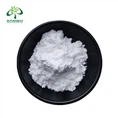
Methyl Urolithin A Supplement
Urolithin a methyl ether is a derivative of urolithin a with potential bioactivity and higher bioavailability. It is a natural metabolite converted by intestinal microorganisms from foods rich in ellagic acid. Urolithin a methyl ether is formed by adding a methyl (-CH₃) group to the molecular structure of urolithin a. Methylation is often used to increase the stability, bioavailability (i.e., absorption efficiency), and lipid solubility of a compound, which may make it more absorbable or more bioactive in the body, and may have different metabolic pathways and biological effects in the body. The methylation positions of Urolithin A methyl ether may vary, which determines its specific chemical and biological properties. For example, 8-O-methyl urolithin a is a common urolithin a methyl ether derivative. The different methylation positions lead to differences in biological activity, which is one of the reasons why scientists need to distinguish between various methylated derivatives when studying clearly.
At present, research results show that 8-O-methyl urolithin a has significant potential in improving mitochondrial function, anti-oxidation, anti-inflammatory, and anti-cancer. Therefore, it shows broad application prospects as a new nutritional supplement, especially in anti-aging and chronic disease management. If you are interested in this product, please get in touch with Xi'an Songwu. Xi'an Songwu can supply urolithin a methyl ether for a long time.

What Is Methyl Urolithin A Foods
Foods Containing Precursors of Methylurolithin A
While methyl urolithin a is not found directly in foods, you can consume foods rich in ellagitannins and ellagic acid, which the body can convert into urolithin a and potentially methyl urolithin a.
Pomegranates
Pomegranates are among the wealthiest sources of ellagitannins, especially punicalagins, which are highly bioactive compounds. These ellagitannins are broken down into ellagic acid in the gut and metabolized into urolithins, including urolithin a.
Berries
Various berries, such as strawberries, raspberries, blackberries, and cloudberries, are rich in ellagitannins. The ellagitannins in these berries are converted into ellagic acid by gut bacteria and then into urolithins.
Nuts
Walnuts and pecans contain high amounts of ellagitannins and ellagic acid. Regular consumption of these nuts helps produce urolithin a in the body.
Fruits
In addition to berries and pomegranates, other fruits such as guava and some tropical fruits also contain ellagitannins. The concentration of these compounds may vary between different varieties of fruit.
Certain seeds and grains
Some seeds, such as muscadine grape seeds and certain grains, also contain ellagitannins, but in smaller amounts than the foods listed above.
Herbs and spices
Some herbs and spices, such as oak-aged tea or certain types of aged tea, may also contain small amounts of ellagitannins.

Methyl Urolithin A Supplement Benefits
1. Enhanced Mitochondrial Function and Cellular Energy
One of the most well-documented benefits of urolithin a is its ability to promote mitophagy, the selective autophagy of damaged or dysfunctional mitochondria. Methylurolithin a may enhance this process due to its higher bioavailability and stability. Mitophagy is essential for maintaining healthy cellular function and energy production, especially in aging cells, where mitochondrial dysfunction is more common. Methylurolithin a can help enhance ATP production and damaged mitochondria and stimulate the formation of new healthy mitochondria. It may improve muscle endurance, strength, and overall vitality and may be particularly beneficial for older adults or athletes looking to enhance athletic performance and recovery.

2. Anti-aging Effects
Mitophagy and cellular repair mechanisms become less efficient with age, leading to cellular dysfunction, fatigue, and various age-related diseases. By promoting mitochondrial health, methyl urolithin a may help slow certain aspects of biological aging, particularly those related to muscle mass and function. In addition to improving skin health, higher cellular energy and lower oxidative stress may help delay aging and lessen dryness, elasticity loss, and wrinkles.
3. Anti-inflammatory and Antioxidant Properties
Numerous age-related illnesses, such as diabetes, neurological diseases, and cardiovascular disease, are significantly influenced by chronic inflammation. Strong anti-inflammatory characteristics of methyl urolithin a can aid in lowering the synthesis of pro-inflammatory chemicals and cytokines. Methylurolithin a, like urolithin a, is a powerful antioxidant. It can neutralize harmful free radicals, reduce oxidative stress, and prevent cell damage. This dual anti-inflammatory and antioxidant effect helps prevent chronic disease and supports overall health.
4. Neuroprotective Benefits
Methylurolithin a may cross the blood-brain barrier and exert neuroprotective effects. It might assist in lowering brain oxidative damage and neuroinflammation, which are linked to neurodegenerative illnesses, including Parkinson's and Alzheimer's. Methylurolithin a can increase neuroplasticity, or the brain's capacity to change and rearrange itself, by lowering oxidative stress and inflammation in the brain. It can improve cognitive function, memory, and learning, especially in the aging population.

5. Supports Metabolic Health
Methylurolithin a may help improve metabolic health by reducing insulin resistance and improving glucose metabolism. People who are susceptible to metabolic syndrome, a cluster of disorders that raises the risk of heart disease, stroke, and type 2 diabetes, need to take it seriously. By supporting better mitochondrial function and energy production, methyl urolithin a may help manage weight and fat distribution, especially when combined with a healthy diet and regular exercise.
6. Muscle Health and Physical Performance
Studies with urolithin a have improved muscle function, especially in older adults. As a more potent derivative, methyl urolithin a may provide similar or enhanced muscle strength, endurance, and recovery benefits, making it a potential supplement for older adults or athletes.
7. Enhances Gut Health
There is evidence that urolithins can have a beneficial effect on the composition of the gut microbiota. Methylurolithin a may support a healthy gut environment, indirectly supporting overall health, immunity, and metabolism.
8. Cardiovascular Protection
The anti-inflammatory and antioxidant properties of methyl urolithin a contribute to improved endothelial function, which is necessary to maintain healthy blood vessels. It can lower the chance of hypertension and atherosclerosis. It may also help regulate lipid levels, such as lowering LDL cholesterol (commonly known as "bad" cholesterol) and potentially increasing HDL cholesterol ("good" cholesterol).

If you want to know about urolithin a methyl ether powder price, are interested in Xi'an Sonwu, or have other questions about the product, do not hesitate to contact Xi'an Sonwu.
Email: sales@sonwu.com