




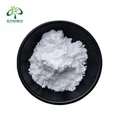
The compound is gaining attention in cosmetic science, antimicrobial research, and the development of functional personal care ingredients. Found in the heartwood of certain trees in the Cupressaceae (cypress) family, this natural compound stands out for its unique chemical structure and ability to interact with metal ions. These characteristics make it a major focus in research on microbial growth, cellular metabolism, and formulation science. For cosmetic manufacturers, raw material distributors, and laboratory researchers, understanding what hinokitiol is, how it works, and its potential uses is essential to evaluating its application prospects.
What Is Hinokitiol
Hinokitiol powder(also known as β-thujaplicin) is a tropolone derivative found naturally in certain plants in the Cupressaceae family. Its chemical structure allows it to interact with metal ions, most notably iron ions. This property confers biological activity, distinguishing it from many conventional cosmetic ingredients.
The compound has attracted attention for its antimicrobial properties and potential use in personal care formulations. Depending on the product grade, concentration, and formulation, it can be used in skincare, oral care, and antimicrobial materials.
Skincare and Personal Care: Because hinokitiol can inhibit certain microorganisms under specific conditions, researchers have investigated and used it in various topical products. Researchers have explored incorporating it into skin-cleansing products, lotions, and other formulations where controlling microbial growth is required. Its suitability depends on factors such as formulation stability, concentration, skin compatibility, and relevant regulatory requirements.
Oral Care Research: Oral hygiene is another area of significant interest. A small-scale, randomized preliminary study published in 2013 examined an oral cleansing gel containing the compound; the results indicated that, compared to a control gel, the product performed better in improving several indicators associated with oral malodor (bad breath). Although this provides preliminary evidence from human studies regarding specific formulations and their applications, the research is limited in scale and insufficient to establish broad clinical efficacy across various oral care applications.
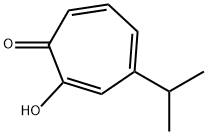
Development of antimicrobial materials. Researchers have also explored hinokitiol in experimental materials designed to inhibit bacterial growth. Such research may inform the development of specialized coatings, fibers, and other functional materials. However, laboratory performance does not necessarily translate into commercial viability or effectiveness under real-world conditions.
These applications show why this ingredient matters in both product development and scientific research. Its value stems not only from its natural origin but also from the material's quality, intended use, and the scientific evidence supporting specific formulations.
How does hinokitiol work
Hinokitiol's biological activity is closely linked to its chemical structure and its ability to bind and transport specific metal ions. Metals such as iron are essential for many cellular processes, including energy production and enzymatic function. Microbial growth and normal physiological activity depend on precisely regulated metal availability.
By interacting with metal ions, hinokitiol can alter this balance. The outcome depends on the microorganism type, the surrounding environment, and the compound's concentration.
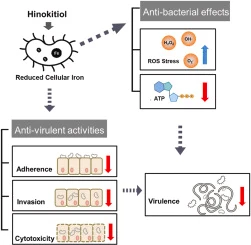
A key area of research concerns bacterial respiration and nutrient transport. One published study examined it's effects on Escherichia coli (E. coli) and Staphylococcus aureus (S. aureus). Researchers found that treatment significantly inhibited bacterial respiration and disrupted the incorporation of nutrients into cellular components. These findings suggest that disrupting normal bacterial metabolism contributes to its bactericidal activity.
This mechanism matters because bacterial survival depends on a network of interconnected processes rather than a single biological target. Interfering with respiration and nutrient utilization impairs microorganisms' ability to maintain essential cellular functions.
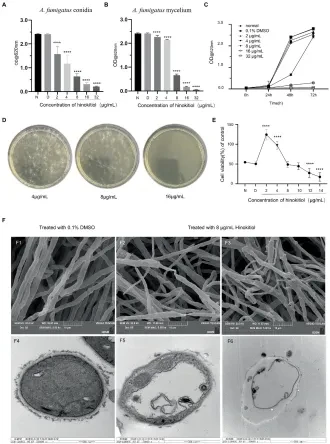
In laboratory experiments, hinokitiol has also demonstrated activity against certain fungi. Research suggests that alterations in metal homeostasis, cell membrane processes, and cellular energy production mechanisms may contribute to these effects. Nevertheless, the precise mechanisms remain poorly understood, and responses may vary among microorganisms.
Researchers have also explored using the compound alongside other antimicrobial compounds. For instance, a study published in RSC Medicinal Chemistry examined hinokitiol in combination with bismuth-based agents, demonstrating strong antimicrobial efficacy in experimental systems, including animal infection models. While these findings are relevant to antimicrobial resistance (AMR) research, they do not establish the compound as a standalone therapy for drug-resistant infections.
Antimicrobial activity does not equate to universal safety or therapeutic efficacy. Concentrations that inhibit microbial growth may affect human cells or biological tissues differently. Therefore, for each intended application, carefully evaluate the relationship between concentration, exposure level, therapeutic efficacy, and toxicity.
How Can Hinokitiol Powder Quality Be Evaluated
For manufacturers and research institutions evaluating this ingredient, quality verification is a critical step in raw material screening.
Key factors to consider include:
Chemical Identity and Purity: Using appropriate analytical methods-such as High-Performance Liquid Chromatography (HPLC)-helps verify the compound's identity and assess its purity.
Batch Consistency: A Certificate of Analysis (COA) for a specific batch provides information regarding the substance's identity, test results, and other relevant quality parameters. Depending on the intended application, additional testing may be required, such as screening for residual solvents, elemental impurities, or microbial contamination.
Formulation Compatibility: Hinokitiol performance depends on its concentration, solubility, delivery system, and interactions with other ingredients.
Safety and Regulatory Compliance: Even natural-origin compounds are not necessarily safe at all dosages or under all conditions. Factors such as the route of exposure, concentration, frequency of use, and the target population are critical.
Research institutions seeking hinokitiol powder can contact Xi'an Sonwu for detailed product information.
Email: sales@sonwu.com
References:https://doi.org/10.1016/j.oooo.2013.05.021
https://doi.org/10.4265/bio.12.101
https://doi.org/10.1039/D4MD00860J)