




GLP-1 receptor agonists have become a major focus of research in diabetes treatment and metabolic health. These drugs help control blood sugar by regulating insulin secretion, glucagon release, and digestion. Prominent examples include exenatide and semaglutide (the active ingredient in Ozempic). Although they belong to the same medication class, they are distinct compounds with different pharmacological properties.
Understanding the similarities and differences between these drugs-as well as its class and mechanism of action-helps clarify the broader role of the GLP-1 signaling pathway in metabolic research.
What class of drugs does exenatide belong to
Exenatide powder belongs to the class of GLP-1 receptor agonists-peptide-based medications primarily used to treat type 2 diabetes. It is not insulin, and it does not directly replace the insulin the human body produces. It is a synthetic peptide with an amino acid sequence that partially overlaps with that of human GLP-1. It is derived from exendin-4, a peptide originally discovered in Gila monster saliva. Scientists found that it could activate the human GLP-1 receptor, laying the foundation for a new class of glucose-lowering medications.
This drug class matters because it influences multiple interconnected processes rather than acting through a single pathway. GLP-1 receptor agonists promote glucose-dependent insulin secretion, reduce abnormal glucagon release, and slow gastric emptying. These effects help regulate blood glucose levels both after meals and between meals.
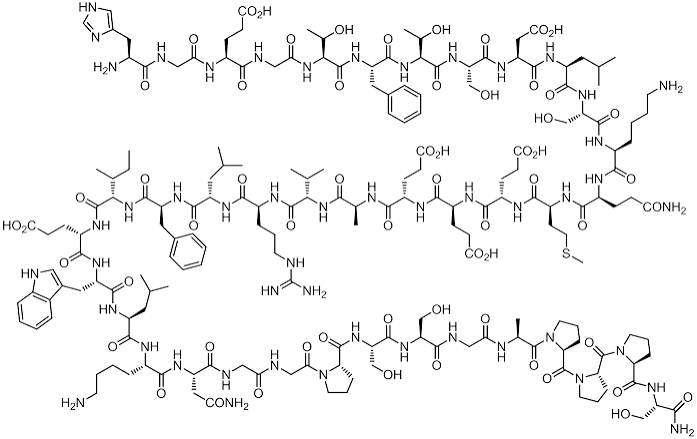
The compound also illustrates how peptide-based therapies can be designed to interact with specific biological receptors. Unlike traditional small-molecule drugs, it binds to the GLP-1 receptor and activates intracellular signaling pathways involved in pancreatic beta-cell function.
For researchers studying metabolic regulation, the compound serves as a useful example of how hormone-like peptides can be developed into therapeutic agents. Its pharmacological properties have helped establish GLP-1 receptor activation as a key treatment strategy for type 2 diabetes. However, being in the same class does not mean all GLP-1 medications share the same potency, pharmacokinetics, clinical efficacy, or safety profile. Each compound must be evaluated based on its own body of evidence and approved prescribing information.
Are Exenatide and Ozempic the Same Drug
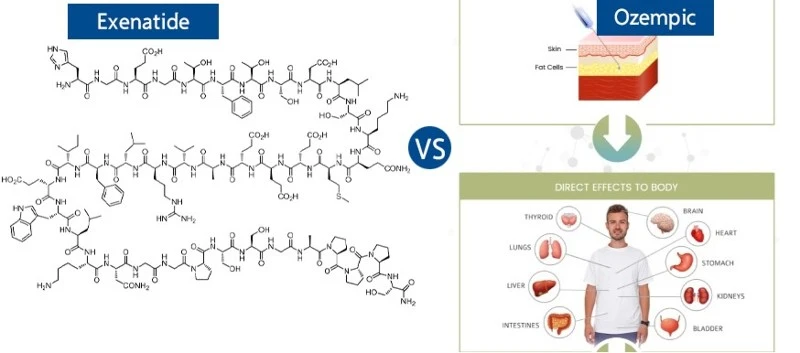
No. Exenatide and Ozempic are not the same drug, even though both are glucagon-like peptide-1 (GLP-1) receptor agonists. Exenatide is the active ingredient in Byetta and Bydureon, while Ozempic contains semaglutide. Both drugs activate the GLP-1 receptor, but they differ in their molecular structure, duration of action, and clinical applications.
GLP-1 is an incretin hormone released by the gut after a meal. It helps the body regulate blood sugar by stimulating insulin secretion when blood glucose rises. Researchers developed GLP-1 receptor agonists to mimic certain aspects of this natural signaling process for therapeutic purposes.
A key difference between exenatide and semaglutide lies in their duration of action. Immediate-release exenatide is administered twice daily, while extended-release formulations are designed for once-weekly dosing. Ozempic is also administered once weekly, but it contains semaglutide-a specially engineered peptide designed to remain active longer.
It is also important to carefully distinguish between their approved uses. Exenatide and Ozempic both improve glycemic control in patients with type 2 diabetes. Ozempic is also approved for reducing cardiovascular risk in certain adults with type 2 diabetes. While both medications may contribute to weight loss, Ozempic is not interchangeable with Wegovy-another semaglutide-based product approved for chronic weight management in eligible patients.
Therefore, these medications are not identical or interchangeable without medical guidance.
How does exenatide work
Exenatide works by activating GLP-1 receptors, triggering physiological responses that help improve glycemic control. Its mechanism is closely linked to the body's natural incretin system, which connects food intake, insulin secretion, and digestive activity.
First, the compound stimulates glucose-dependent insulin secretion. When blood glucose rises, the compound activates GLP-1 receptors on pancreatic beta cells, promoting insulin synthesis and release. Because this effect depends heavily on blood glucose levels, insulin secretion typically decreases as blood glucose returns toward the normal range. Nevertheless, hypoglycemia remains a potential risk, particularly when it is used in combination with certain other diabetes medications.
Second, the compound inhibits inappropriate glucagon secretion. Glucagon is a hormone that signals the liver to release glucose into the bloodstream. In individuals with type 2 diabetes, glucagon activity may be inappropriately elevated. By reducing glucagon secretion during hyperglycemia, the compound helps limit excessive glucose production.
Third, the compound delays gastric emptying. By slowing the rate at which food moves from the stomach into the small intestine, it reduces how quickly glucose enters the bloodstream after a meal. This mechanism helps explain why the compound improves postprandial glycemic control and may also promote greater fullness (satiety).
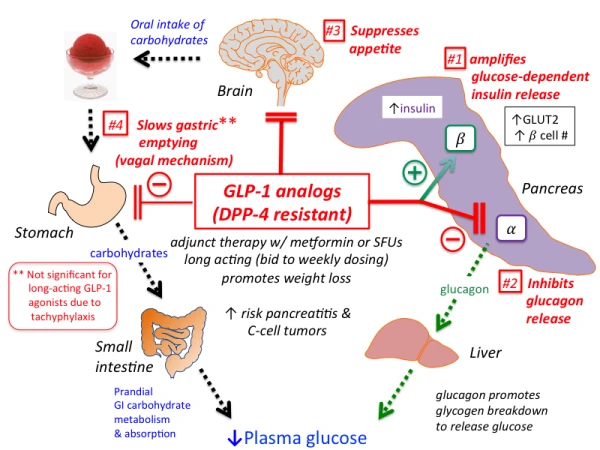
Together, these effects improve glycemic control. For some patients, appetite suppression may also facilitate weight loss, though individual responses vary.
From a research perspective, it is closely linked to incretin biology, pancreatic beta-cell signaling, glucose homeostasis, and the relationship between gastrointestinal function and metabolism. Exenatide may be used in laboratory research or drug development to characterize peptides or study GLP-1 receptor activity. Its suitability for a specific research application depends on factors such as substance identification, purity, stability, and the specific requirements of the experimental protocol. Research-grade products are not intended for direct use in humans.
Like other GLP-1 receptor agonists, the compound may cause adverse reactions, including nausea, vomiting, and diarrhea. Some more serious complications-such as pancreatitis and kidney-related issues-may require clinical intervention. Use the compound under the guidance of a healthcare professional and in accordance with the relevant prescribing information. In summary, while exenatide and Ozempic share the same therapeutic targets, they contain different active ingredients. The compound is a peptide-based GLP-1 receptor agonist that improves blood glucose regulation by influencing insulin, glucagon, and gastric emptying. Understanding these mechanisms of action shows how incretin-based therapies have advanced diabetes treatment and how the GLP-1 signaling pathway remains a scientific foundation for metabolic research.
Research institutions seeking exenatide powder can contact Xi'an Sonwu for detailed product information.
Email: sales@sonwu.com
References:https://dailymed.nlm.nih.gov/dailymed/drugInfo.cfm?setid=53d03c03-ebf7-418d-88a8-533eabd2ee4f.
https://www.fda.gov/consumers/womens-health-topics/women-and-diabetes-diabetes-medicines.