




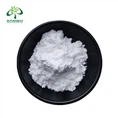
If you frequently follow the fitness community or browse discussions about improving athletic performance, you may have heard of a compound often described as turning people into "endurance monsters" while also accelerating fat burning. This compound is GW 501516, which is frequently discussed in fitness communities and online forums. GW 501516 targets metabolic pathways related to energy utilization and endurance regulation. It is precisely this unique mechanism that has attracted widespread attention from the scientific community for research on metabolism, athletic performance, and fat oxidation.
What is another name for GW 501516
SARMS GW 501516, also known as Cardiopowder, is a synthetic compound developed in the 1990s. Initially, this compound was used to treat metabolic diseases, including obesity, diabetes, and cardiovascular disease. Later, Carderi gained attention in the fitness and bodybuilding fields for its potential to improve endurance and promote fat loss. It is a PPARO (peroxisome proliferator-activated receptor Delta) agonist. Its main functions are to increase fatty acid metabolism, enhance muscle endurance, and improve lipid profiles, potentially helping to lower LDL cholesterol and triglyceride levels.
Its main potential benefits include: fat loss; it can promote the breakdown of stored fat, helping to maintain lean muscle mass when calorie intake is insufficient. Evidence has been presented that it can improve endurance, both in preclinical animal studies and based on reports from human experience. Furthermore, it may help regulate blood sugar levels, reduce the risk of insulin resistance, and decrease cardiovascular risk factors. Cardarin (GW 501516) is a potent compound that has been shown to significantly enhance fat loss and endurance. However, its safety remains controversial due to potential long-term risks and should therefore be used with caution. Consultation with a medical professional is recommended before considering any experimental compound. Xi'an Sonwu can provide GW 501516 upon request. Xi'an Sonwu looks forward to your reply.

How does GW 501516 promote muscle growth
GW 501516 does not directly promote muscle growth like anabolic steroids or selective androgen receptor modulators (SARMs). Instead, it indirectly improves muscle performance and body composition by activating PPAR-δ, affecting metabolism and endurance. Here is its mechanism of action:
1. Activating PPAR-δ and Fat Metabolism
It is a PPAR-δ agonist, meaning it can activate the nuclear receptor PPAR-δ, which regulates genes involved in energy metabolism.
Once activated, it can: increase fatty acid oxidation in muscle tissue, shift energy utilization from glucose to fat, and improve mitochondrial activity in muscle cells. This metabolic shift helps muscles use fat more efficiently as fuel, thus improving exercise endurance.
2. Improved Endurance and Training Capacity
Because muscles can burn fat more efficiently, users may experience: longer workout times, less fatigue, and faster recovery between workouts. This improved training capacity can indirectly promote muscle growth, as higher-intensity or longer training sessions do over time.
3. Muscle Fiber Adaptation
Studies have shown that PPAR-δ activation can promote the conversion of muscle fibers into oxidative (Type I) fibers, characterized by greater fatigue resistance, improved aerobic metabolism, and an association with endurance performance. While this does not directly increase muscle volume, it can improve muscle efficiency and endurance.
4. Improved Body Composition
GW 501516 may also affect genes related to lipid metabolism, glucose regulation, and energy balance. This may result in reduced body fat, increased metabolic efficiency, and, combined with resistance training, a leaner body composition that can lead to more defined muscle lines.

How long does GW 501516 remain in the body
GW 501516 remains in the human body for a relatively long time. Studies show that its biological half-life is approximately 16–24 hours, meaning that roughly every day, the amount of drug in the body decreases by half. For example, after 24 hours, about 50% remains; after 48 hours, about 25%; and after 72 hours, about 12.5%. Generally, most of the original drug is metabolized by the body within 4–5 days. However, even after the original drug is largely eliminated, metabolites may remain in the body and therefore be detectable in laboratory tests for several weeks, up to 40 days in some highly sensitive tests.
GW 501516 remains in the body for a relatively long time because the liver must metabolize it. After absorption, the drug enters the liver and is metabolized by enzymes, such as Cytochrome P450, into various metabolites. These metabolites are then further converted by enzymes such as UDP-glucuronosyltransferases, making them easier to excrete through urine. This process produces relatively stable metabolites that persist in the body for longer, which is an important indicator of GW 501516 use in laboratory testing.

If you would like to inquire about the price of SARM GW 501516 powder or other product information, please contact Xi'an Sonwu directly.
Email: sales@sonwu.com