




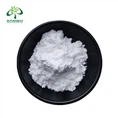
What Is 7 Hydroxy 4 Methylcoumarin Used For
7 Hydroxy 4 methyl coumarin Powder is a chemical compound that belongs to the class of coumarins, which are aromatic compounds with a benzene ring fused to a lactone ring. This particular derivative of coumarin has several notable applications and uses, mostly in the pharmacological domains, biochemistry, and cosmetics. If you are interested in 7 Hydroxy 4 methylcoumarin, please feel free to contact Xi'an Sonwu.
Here's a breakdown of its primary uses:
1. Fluorescent Probe in Biochemistry
It is often used as a fluorescent probe in biochemical research. The compound exhibits fluorescence properties, which makes it valuable for fluorescence spectroscopy. It can be used to study various biological processes such as enzyme activity, protein binding, and cellular localization. This fluorescence property is especially useful in assays and diagnostic tests to detect certain biomolecules or environmental modifications, like variations in pH or the presence of particular ions.
2. Antioxidant Activity
It has shown antioxidant activity in some studies, indicating that it can lessen oxidative stress in biological systems and neutralize free radicals. Because of this characteristic, it could be helpful in the development of anti-ageing and anti-inflammatory products, as oxidative stress is linked to ageing and various diseases.
3. Cosmetic Use
In cosmetics, it is sometimes used as a skin-conditioning agent. It may be included in skin care products due to its antioxidant and anti-inflammatory characteristics that might aid in shielding the skin from harm caused by the surroundings and lessen aging symptoms. Additionally, its pleasant, mild scent (typical of many coumarins) can be an added benefit in some fragrance formulations.

4. As a Component in Flavoring
Some coumarin derivatives, including it, are used serving in the food and beverage sectors as flavoring agents due to their sweet, aromatic properties. However, there are rigorous regulations governing its usage as a food additive in many countries because of the possible dangers some coumarin compounds pose to human health.
5. Pharmacological Applications
In pharmacology, it is sometimes investigated for its anti-inflammatory and antibacterial properties. While the compound is not commonly used as a direct therapeutic agent, its effects may contribute to the development of new drug candidates or therapeutic agents that target inflammation, infection, or other medical conditions.
6. UV-absorbing Agent
Some coumarins, including derivatives like it, can absorb ultraviolet (UV) light. Because of this characteristic, it can be used as a UV filter in certain cosmetic formulations, helping to protect the skin from UV-induced harm that may result in skin cancer or early aging.
Conclusion
7 Hydroxy 4 methyl coumarin is a versatile compound with applications primarily in fluorescence detection, antioxidant and anticancer research, cosmetic formulations, and pharmacology. Its properties make it valuable in a wide range of scientific and commercial uses, particularly in areas focused on health, wellness, and diagnostic applications.
Is 7 Hydroxy 4 Methylcoumarin Toxic
Like many chemical compounds, it has the potential to exhibit toxicity depending on its concentration, route of exposure, and duration of exposure. Here's a more detailed overview based on available data:
1. Toxicity in Animal Studies
In animal studies, some coumarin derivatives (including it) have been observed to exhibit low toxicity when used in controlled amounts. However, some coumarins are known to cause liver damage in high doses, especially when administered over extended periods. Its toxicity specifically would need to be evaluated in further studies, as its safety profile is not as well-established as that of some other common coumarins.
2. Skin Irritation and Sensitization
As with many chemicals, skin irritation or sensitization could occur if the compound is exposed to the skin in high concentrations or over a prolonged period. Its inclusion in cosmetic formulations should therefore be done under strict regulatory guidelines to ensure safety for users, with proper testing to confirm no harmful effects.

3. Ingestion Toxicity
Although it is sometimes used as a flavouring agent or in food products in certain concentrations, the ingestion of large amounts of 7 hydroxy 4 methyl coumarin or other coumarins may be harmful. There are well-documented concerns regarding the potential liver toxicity of some coumarin compounds when consumed in large quantities over time, particularly in animals. For this reason, many coumarin compounds are regulated, and their usage is restricted in food and beverages.
How Do You Prepare 7 Hydroxy 4 Methyl Coumarin From Resorcinol
The preparation of it from resorcinol involves a reaction sequence that introduces the appropriate groups to form the coumarin ring structure. The general approach would require methylation of resorcinol, followed by cyclization, to form the coumarin core. Here's a step-by-step outline of how this can be done:
Step 1: Methylation of Resorcinol
To begin, you need to methylate resorcinol (1,3-dihydroxybenzene) to introduce a methyl group at the 4-position of the aromatic ring. This can be achieved through a methylation reaction using a methylating agent like methyl iodide (CH₃I) or dimethyl sulfate (DMS) in the presence of a base like potassium carbonate (K₂CO₃).
The reaction would proceed as follows:
Resorcinol (1,3-dihydroxybenzene) + Methyl iodide (CH₃I) → 4-Methylresorcinol (2,4-dihydroxy-1-methylbenzene).
Step 2: Cyclization to Form Coumarin Ring
Next, the methylated resorcinol (4-methyl resorcinol) undergoes a cyclization reaction to form the coumarin ring structure (benzopyrone). This cyclization can be achieved by treatment with a dehydrating agent, such as acetic anhydride or phosphorus oxychloride (POCl₃).
The reaction can be outlined as follows:
4-Methylresorcinol + Acetic anhydride (C₄H₆O₃) or POCl₃ → 7 Hydroxy 4 methylcoumarin.
The cyclization reaction involves the formation of a lactone ring, which is characteristic of coumarin derivatives. The hydroxyl group at position seven is retained, and the methyl group is introduced at position 4.
General Summary of the Synthetic Route
Methylation of resorcinol: Use methyl iodide and potassium carbonate to add a methyl group to the 4-position of resorcinol, producing 4-methyl resorcinol.
Cyclization: React 4-methyl resorcinol with acetic anhydride or phosphorus oxychloride to form 7 hydroxy 4 methyl coumarin.
If you want to know the price of 7 Hydroxy 4 methylcoumarin Powder, are interested in Xi'an Sonwu, or have other questions about the product, do not hesitate to contact Xi'an Sonwu.