




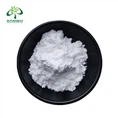
Protecting pets from parasites is an important part of maintaining their overall health and well-being. Intestinal worms and heartworms can pose serious risks to dogs and cats, making effective prevention strategies essential for pet owners. Milbemycin is a widely studied antiparasitic compound that plays an important role in veterinary medicine by helping control certain internal parasites. Understanding how the compound works, its applications, and safety considerations can help pet owners make informed decisions about parasite management for their companion animals.
What class of drug is milbemycin
Milbemycin powder is a macrocyclic lactone antiparasitic drug for veterinary use, closely related to ivermectin and moxidectin. It is most commonly used in dogs and cats (usually in the form of "milbemycin oxime") to prevent heartworm disease and to treat or control intestinal parasites such as roundworms, hookworms, and whipworms; it may also be used off-label to treat certain mite infestations. The drug's mechanism of action targets the parasite's nervous system by opening glutamate-gated chloride channels in nerve and muscle cells, leading to a massive influx of chloride ions; this causes paralysis and ultimately the parasite's death. Mammals are generally much less affected because they lack these specific channels, and the drug has limited ability to penetrate the central nervous system. In short, it is a prescription antiparasitic medication for pets used to prevent and treat worm and other parasitic infections, and it frequently serves as an ingredient in monthly heartworm preventatives. If you would like detailed information about milbemycin, please feel free to contact Xi'an Sonwu.

What is the drug milbemycin used for
Milbemycin is a veterinary antiparasitic drug widely used to prevent and treat internal parasite infections in dogs and cats. A member of the macrocyclic lactone class of compounds, it is best known for preventing heartworm disease-a serious, potentially life-threatening condition transmitted by mosquitoes. By targeting the larval stages of heartworms, the compound halts the infection before the parasites can develop into adults that damage the heart and lungs.
In addition to heartworm prevention, it is effective against various intestinal parasites, including roundworms, hookworms, and whipworms. These parasites can cause symptoms such as diarrhea, weight loss, poor coat condition, and general weakness, particularly in young animals or those with compromised immune systems. By eliminating these parasites, the compound helps improve the gastrointestinal health and overall well-being of companion animals.
In veterinary practice, it is often formulated in combination with other antiparasitic agents, such as those targeting fleas or ticks. These combination products offer broad-spectrum protection with just once-monthly administration, simplifying parasite prevention for pet owners and improving treatment compliance. This multi-target approach helps protect animals against both internal and external parasites throughout the year.
In certain instances, veterinarians may also use milbemycin for indications beyond its approved label ("off-label use"), particularly for treating specific mite infestations such as sarcoptic mange. Although this is not its primary approved use, its activity against certain parasitic mites makes it an effective adjunctive treatment option when administered under professional guidance.

Which is better: fenbendazole or milbemycin
Fenbendazole and milbemycin are both common veterinary dewormers, but they differ in their activity spectra and primary applications. Therefore, there is no absolute answer as to which is "better"; the choice depends on the specific purpose and the type of parasite involved.
Fenbendazole is a broad-spectrum benzimidazole dewormer that primarily targets various intestinal parasites, such as roundworms, hookworms, whipworms, some tapeworms, and certain protozoa (like Giardia). It works by disrupting the parasite's energy metabolism, rendering it unable to survive and causing it to gradually die. Fenbendazole is typically used for short-course deworming treatments; it is suitable for a wide range of animals (dogs, cats, and some livestock), boasts a high overall safety profile and good tolerability, and is a common, fundamental choice in clinical deworming.
Milbemycin belongs to the macrocyclic lactone class of drugs-the same family as ivermectin-and is primarily used for heartworm prevention and the control of certain internal and external parasites. It is highly effective at killing heartworm larvae, making it a common choice for monthly heartworm prevention regimens in dogs, and it also covers some intestinal nematode and mite infections. Due to its potent mechanism of action, it is often used for long-term prevention and generally requires veterinary guidance, particularly for specific breeds or animals with sensitive constitutions.

Comprehensive intestinal deworming efficacy: Fenbendazole excels.
Heartworm prevention capability: Milbemycin is key.
Usage: Fenbendazole is suited for short-term treatment, whereas milbemycin is suited for long-term prevention.
Application scenarios: The former is used to "eliminate existing intestinal parasites," while the latter is used for "ongoing prevention of heartworm infection."
In actual veterinary practice, these two drugs are not typically an "either-or" choice; rather, they are often used in combination based on the animal's living environment, infection risk, and diagnostic test results. For example, in high-risk areas, pets may require long-term heartworm prevention with milbemycin oxime, combined with periodic fenbendazole to eliminate intestinal parasites as needed, thereby achieving more comprehensive parasite management.
For pricing or other product information on milbemycin powder, please contact Xi'an Sonwu Company.
Email: sales@sonwu.com
Reference: Parasite Prevention for Pets around Orange County. https://nmah.vet/parasite-prevention-costa-mesa-ca/