




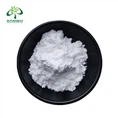
Ubiquinol CoQ10 is a naturally occurring, bioactive form of Coenzyme Q10 that plays an important role in cellular energy production and antioxidant defense. As a key component involved in mitochondrial function, Ubiquinol CoQ10 has attracted significant research interest for its potential role in supporting cardiovascular health, maintaining energy metabolism, and protecting cells from oxidative stress. With growing attention toward healthy aging and nutritional science, Ubiquinol CoQ10 continues to be explored for its wide range of biological functions and potential applications.If you are also interested in natural Ubiquinol CoQ10, please feel free to contact Xi'an Sonwu.
What are the benefits of Ubiquinol CoQ10
Ubiquinol CoQ10 is the active reduced form of coenzyme Q10 (CoQ10), a naturally occurring compound in cells that plays a crucial role in energy production and antioxidant protection. Simply put, it helps the body's "energy factories" (mitochondria) produce energy more efficiently.
Common uses of Ubiquinol CoQ10:
1. Energy Production
It supports ATP production, the cell's primary energy currency. Therefore, it is often associated with reducing fatigue and improving physical performance, especially beneficial for those with low CoQ10 levels.
2. Heart Health Support
CoQ10 levels in the heart are typically higher than in most other tissues. CoQ10 supplementation is often used to support overall cardiovascular function, including providing energy to cardiomyocytes.
3. Antioxidant Protection
It is a powerful antioxidant. It helps neutralize free radicals, thereby reducing oxidative stress and supporting cellular health and slowing the aging process.
4. Statin-Related Support
People taking statins sometimes take Coenzyme Q10 because statins can lower the body's natural Coenzyme Q10 levels, which may cause muscle fatigue or weakness in some individuals.
5. Athletic Performance and Recovery
Some studies suggest that Coenzyme Q10 may help improve exercise endurance and promote recovery by increasing mitochondrial efficiency and reducing oxidative stress during exercise.
Upanthenol and Coenzyme Q10 (Ubiquinone)
Upanthenol is a more bioactive and easily absorbed form, especially for older adults, as the body converts Coenzyme Q10 into panthenol for use.

Is Ubiquinol CoQ10 the same as collagen
Ubiquinol (CoQ10) and collagen are two completely different substances with drastically different functions in the body, and therefore cannot be confused. Ubiquinol is the active reduced form of coenzyme Q10, mainly found in cellular mitochondria. Its core function is to participate in energy (ATP) production, and it has antioxidant effects, helping to support cardiovascular health, physical performance, and overall cellular energy metabolism. Collagen, on the other hand, is a structural protein and an important component of skin, bones, tendons, ligaments, and cartilage. Its main function is to maintain tissue strength, elasticity, and structural integrity, leaning more towards a "building and supporting" function. From a supplement perspective, Ubiquinol belongs to the class of bioactive coenzymes. At the same time, collagen is usually broken down into amino acids or peptides in the body before being utilized, primarily for tissue repair and support of skin health. Therefore, their mechanisms of action, target systems, and nutritional properties are completely different: one is geared towards energy metabolism and support for cellular function, while the other is geared towards structural repair and tissue maintenance. Nevertheless, in anti-aging or overall health management, some people supplement both to provide comprehensive support from the "energy level" and the "structural level," respectively.
Can Ubiquinol CoQ10 be taken long-term
Ubiquinol (the reduced form of CoQ10) is generally considered safe and well-tolerated for long-term use at usual dosages. The human body naturally synthesizes CoQ10, so supplementation is more akin to "physiological support" than exogenous drug intervention. Current research and long-term use experience show that at common doses (approximately 100–300 mg/day), most people can continue using it for months or even years without significant safety issues. A small number of people may experience mild side effects such as gastrointestinal discomfort, headache, or occasional insomnia. Long-term use is primarily for cardiovascular health support, statin-related muscle discomfort, fatigue improvement, and age-related mitochondrial function support. However, it should be noted that it may interact with anticoagulants such as warfarin and may slightly affect blood pressure; therefore, individuals currently using such medications or with underlying medical conditions are advised to take it long-term under professional guidance. Overall, Ubiquinol is suitable for long-term use, but the actual benefits should be evaluated regularly.

What Are The Negative Side Effects Of Ubiquinol CoQ10
Ubiquinol CoQ10 generally has a good safety profile and is well tolerated by most people, but it can still cause mild side effects. The most common issues are digestive discomfort, including nausea, stomach upset, diarrhea, and reduced appetite. Some individuals may also experience headaches, dizziness, or mild sleep disturbances, especially if taken later in the day due to its mild energizing effect. Less frequently, people may report fatigue, irritability, or skin reactions, though these are rare. Side effects are more likely at higher doses, typically above 200–300 mg per day, while lower doses are usually better tolerated. It is also worth noting that Ubiquinol may interact with certain medications, including blood pressure drugs, blood thinners such as warfarin, and possibly diabetes medications, so caution is advised for those receiving medical treatment. Overall, when used appropriately, ubiquinol CoQ10 is considered a low-risk supplement with mostly mild and temporary side effects.

If you would like to inquire about the price of Ubiquinol CoQ10 or other product information, please get in touch with Xi'an Sonwu directly.
Email: sales@sonwu.com
Reference:https://www.usz.ch/en/condition/systemic-sclerosis/