




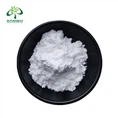
Tianeptine acid, as a unique chemical and pharmacological entity, is gradually attracting attention in research and medicine. This article will analyse its chemical properties, pharmacological classification, and mechanisms of action.
What is Tianeptine Acid
Tianeptine acid powder is the pure, unreacted form of Tianeptine. In chemistry, this is often referred to as the "free acid" or "free base" form, meaning the molecule has not yet been combined with a stabiliser such as sodium or sulfate to form a salt.
Although it belongs to the broad category of atypical antidepressants, its effects and efficacy vary depending on the form used.
Differences in the "acid" form
There are three common forms of the drug. The acid form is unique in its solubility and duration of action: Tianeptine acid is not highly soluble in water. Therefore, it is absorbed by the body much more slowly than the "sodium" form. Because of this slower absorption, it typically has a longer duration of effect, but also a much slower onset of action. Users describe its effect curve as more "gradual," with a rapid onset and rapid decline. It is generally considered less potent than the sodium form but more stable over time. If you are also interested in tianeptine acid, please feel free to contact Xi'an Sonwu Company.

What class of drug does tianeptine Acid belong to
It is a unique pharmacological agent that cannot be easily categorised. While technically classified as an antidepressant, its mechanism of action sets it apart from common antidepressant medications.
It does not work by inhibiting serotonin reuptake; rather, it acts as a selective serotonin reuptake enhancer (SSRE). Furthermore, it can also affect the glutamate system and modulate the release of stress hormones. The pharmacological properties of the drug are similar to those of its sodium salt form, which is widely used medically. One possible explanation for its antidepressant effects is that it enhances serotonin uptake in the brain. It exists in different salt forms, including sodium and sulfate salts. These forms affect the pharmacokinetic properties of the drug, such as absorption and duration of action. However, whether in acid or sodium salt form, the active molecule can be broadly categorised into two main categories based on its chemical structure or how it affects the brain:

1. Primary Classification: Atypical Antidepressant
Technically, it is classified as an atypical antidepressant. While it was initially developed in the 1960s and is used in many countries to treat major depressive disorder, its mechanism of action is unique:
It has been referred to as a "selective serotonin reuptake enhancer" (SSRE), acting in the opposite way to SSRI drugs like Prozac. Current research suggests that it primarily works by modulating glutamate receptors (the brain's main excitatory neurotransmitter) and increasing dopamine release.
2. Pharmacological Classification: Opioid Receptor Agonist
This is where things get complicated. At doses higher than therapeutic levels, the drug acts as a full agonist at the μ-opioid receptor. Because it acts on the same receptors as morphine or oxycodone, it produces euphoria and carries a high risk of addiction and withdrawal. It is this "dual identity" that makes it unique.
3. Regulatory Status
Its "category" also depends on your location. In many parts of Europe, Asia, and Latin America, it is a regulated prescription drug used to treat depression and anxiety. In other regions, it may be regulated or prohibited due to its potential for abuse and adverse effects.
Does Tianeptine Acid release dopamine
Yes, Tianeptine increases extracellular dopamine concentrations, particularly in the nucleus accumbens. It is an unusual antidepressant in that its mechanism of action appears to be independent of any activity at serotonin receptors or monoamine transporters. It does not act as a dopamine transporter (DAT) inhibitor, unlike stimulant drugs.
How it works:
Its interaction with dopamine is primarily through "downstream" effects resulting from its action on other receptors:
μ-opioid receptor agonist: the drug is a full μ-opioid receptor agonist. When these receptors are activated, they inhibit GABAergic neurons (which typically have an "inhibitory" effect on dopamine). By inhibiting these "brakes," the drug leads to the release of dopamine in the nucleus accumbens (the brain's main reward and pleasure centre).
Glutamate modulation: It also modulates the glutamatergic system (specifically AMPA and NMDA receptors). This modulation of glutamate can indirectly affect dopamine signalling, particularly in areas associated with mood and cognitive function.
Region-specific effects: Studies have shown that the drug specifically increases extracellular dopamine concentrations in the nucleus accumbens and, at higher doses, also increases dopamine concentrations in the prefrontal cortex.

Differences in "acidic" forms:
While the chemical mechanism (dopamine release via opioid receptors) is the same for the product sodium, sulfate, and acidic forms, the intensity and speed of release differ:
Tianeptine sodium: Leads to a rapid and sharp increase in dopamine levels, thus having the highest potential for abuse and "euphoria."
Tianeptine acid: Due to its lower solubility and slower absorption, it leads to a slower increase in dopamine levels. This typically results in a more stable and sustained mood elevation rather than a sudden "high."
It's important to note that because the product increases dopamine through the same pathway as traditional opioids, it carries a significant risk of tolerance and dependence. Over time, the brain may require higher doses to achieve the same level of dopamine release, and cessation of use can lead to a "dopamine crash," resulting in severe depression and anxiety during withdrawal.
If you would like to inquire about the price of tianeptine acid powder or other product information, please contact Xi'an Sonwu directly.
Email: sales@sonwu.com
References:https://pubmed.ncbi.nlm.nih.gov/39382192/