




If you or a family member is taking blood sugar medication, have you heard of empagliflozin, a drug that not only helps control blood sugar but may also protect the heart and kidneys? How does it differ from the more familiar dapagliflozin? Why do doctors sometimes recommend one of them? This article explains the core functions, unique benefits, and key points to note when taking this medication, in simple terms, helping you better understand your treatment plan.
What is empagliflozin
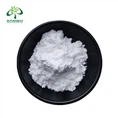
Empagliflozin powder is a Sodium-glucose cotransporter-2 (SGLT2) inhibitor available as a white to yellowish, non-hygroscopic powder (CAS 864070-44-0) used primarily in the pharmaceutical industry to manufacture tablets for the treatment of type 2 diabetes, heart failure, and chronic kidney disease. These drugs work by blocking the SGLT2 protein in the kidneys, which normally helps reabsorb glucose back into the bloodstream. This ingredient helps lower blood sugar levels by inhibiting this protein, leading to excess glucose excretion in the urine. In addition to treating diabetes, the drug is also used to reduce the risk of cardiovascular death in patients with type 2 diabetes and cardiovascular disease. It is very important for patients taking it to stay well-hydrated and pay attention to any unusual symptoms. If you are interested in this ingredient, please feel free to contact Xi'an Sonwu.

How does empagliflozin work
Empagliflozin works by inhibiting SGLT2 (sodium-glucose cotransporter 2) in the kidneys. Here are the detailed steps of its mechanism of action:
1. Kidney reabsorption of glucose: Normally, as blood flows through the kidneys, they filter glucose (sugar) from the blood. The SGLT2 protein helps reabsorb most of the filtered glucose back into the bloodstream to maintain blood sugar balance.
2. Blocking SGLT2: The product blocks the SGLT2 protein, preventing glucose from being reabsorbed back into the bloodstream.
3. Glucose excretion: Therefore, excess glucose is excreted through urine instead of being reabsorbed. This lowers overall blood sugar levels in people with type 2 diabetes, helping them better control their blood sugar. It does not directly increase insulin secretion; rather, it helps the body better control blood sugar levels by reducing circulating sugar levels.

What are the differences between empagliflozin and dapagliflozin
Empagliflozin and dapagliflozin both belong to the SGLT2 inhibitor class of drugs. They have similar mechanisms of action: both reduce glucose reabsorption by blocking the SGLT2 protein in the kidneys, thereby helping to lower blood sugar in patients with type 2 diabetes. However, there are some differences between them:
1. Indications:
The product is primarily used to treat type 2 diabetes, but it is also approved for reducing the risk of cardiovascular death in patients with type 2 diabetes and coexisting cardiovascular disease.
Dapagliflozin is also used to treat type 2 diabetes, but its indications are broader. It is approved not only for the treatment of diabetes but also for chronic kidney disease (CKD), regardless of whether the patient has type 2 diabetes. It is also approved for heart failure (including reduced and preserved ejection fraction) and is therefore beneficial for patients with other heart diseases, as well as those with diabetes.
2. Cardiovascular Benefits:
Both drugs have shown positive effects on cardiovascular health in clinical trials.
The product focuses on cardiovascular outcomes, especially in patients with pre-existing cardiovascular disease. It has been shown to reduce the risk of cardiovascular death, hospitalization for heart failure, and other cardiovascular events in patients with type 2 diabetes.
Dapagliflozin also has cardiovascular benefits, particularly in reducing the risk of heart failure and hospitalization for heart failure. Studies have shown that dapagliflozin is beneficial regardless of whether one has diabetes.
3. Kidney Protection: Empagliflozin has been shown to delay the progression of kidney disease in patients with type 2 diabetes and heart disease, but its effects on kidney disease alone are not well studied.
Dapagliflozin is widely known for its benefits in chronic kidney disease (CKD), and is effective even in non-diabetic patients. It helps reduce the risk of declining kidney function and improves kidney outcomes, especially in CKD patients with heart failure.
4. Side Effects: Due to their similar mechanisms of action, both drugs have some common side effects, such as urinary frequency, dehydration, urinary tract infections, and an increased risk of genital infections (especially in women).
Compared to empagliflozin, dapagliflozin may slightly increase the incidence of urinary tract infections and genital infections.
Both medications can slightly lower blood pressure, which may be beneficial for patients with hypertension, but caution is advised for patients already at risk of hypotension.

5. Efficacy: Both it and dapagliflozin are effective in lowering blood glucose levels in patients with type 2 diabetes. However, specific studies and trial results show slight differences in their efficacy:
The product may be more significant in reducing the risk of cardiovascular death and the rate of hospitalization for heart failure.
Dapagliflozin shows broader benefits in slowing the progression of kidney disease and improving the prognosis of heart failure.
6. Half-life and Dosage:
The product has a longer half-life (approximately 12 hours), and it can be administered once daily.
Dapagliflozin has a similar half-life (approximately 13 hours), also supporting once-daily dosing*.
7. Clinical Trials:
Empagliflozin has been studied in trials such as EMPA-REG OUTCOME, which have demonstrated its cardiovascular benefits in patients with type 2 diabetes and cardiovascular disease.
Dapagliflozin has been investigated in trials such as DECLARE-TIMI 58 and *DAPA-HF, which have highlighted its cardiovascular and renal benefits.
Empagliflozin and dapagliflozin are both effective SGLT2 inhibitors used to treat type 2 diabetes, but dapagliflozin is more widely used in the treatment of heart failure and chronic kidney disease. Empagliflozin, on the other hand, focuses more on reducing the risk of cardiovascular events in patients with a confirmed heart condition. The two drugs have similar side effects, but dapagliflozin may slightly increase the risk of urinary tract infections. The choice of drug depends on the patient's specific health needs, especially those related to cardiovascular or renal disease.
If you would like to inquire about the price of empagliflozin powder or other product information, please contact Xi'an Sonwu directly.
Email: sales@sonwu.com
References:https://www.sigmaaldrich.cn/CN/zh/product/sigma/sml4200