




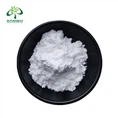
Vonoprazan fumarate powder is the powder form of vonoprazan fumarate, also known as TAK 438 powder, which is a new type of gastric acid secretion inhibitor and belongs to the class of potassium-competitive acid blockers (P-CAB). Treatment for conditions like gastric ulcers, duodenal ulcers, and gastroesophageal reflux disease (GERD) that are caused by excessive gastric acid output is its primary usage. Vonoprazan has been widely used in countries such as Japan and has gradually attracted attention worldwide.

What Are The Advantages Of Vonoprazan
Peptic ulcers and gastroesophageal reflux disease (GERD), two conditions brought on by elevated stomach acid, are treated with the potassium-competitive acid blocker (P-CAB) vonoprazan. It has several advantages over traditional proton pump inhibitors (PPIs):
1. Faster Onset of Action: Vonoprazan works more quickly than PPIs. It can relieve acid-related symptoms in a shorter amount of time, often within hours, compared to PPIs, which may take days to reach their full effect.
2. Longer Duration of Action: Vonoprazan has a longer duration of action, allowing for effective acid suppression over a more extended period. This can be beneficial for patients needing consistent acid control.
3. Potassium-Competitive Mechanism: Unlike PPIs, which inhibit the proton pump by binding irreversibly, vonoprazan competitively inhibits the proton pump's activity in the presence of potassium. This can lead to more consistent acid suppression and potentially more predictable outcomes.

4. Less Variability: Vonoprazan shows less variability in acid suppression than PPIs, which can be affected by factors like food intake or drug interactions.
5. Potentially Better Healing Rates: Some studies suggest that vonoprazan may be associated with better healing rates for conditions like esophageal ulcers than PPIs.
6. Reduced Risk of Rebound Acid Secretion: While rebound acid secretion can occur with long-term PPI use, vonoprazan might have a lower risk of this side effect due to its different mechanisms of action.
Is Vonoprazan Better Than Omeprazole
The particular requirements of the patient and the ailment being treated will determine if vonoprazan is preferable to omeprazole. Both drugs are effective for reducing stomach acid, but they have different mechanisms of action and characteristics. Here's a comparison:
1. Mechanism of Action:
Vonoprazan: Potassium-competitive acid blocker (P-CAB). It works by competitively inhibiting the H+/K+ ATPase enzyme (the proton pump) in the stomach lining in the presence of potassium.
Omeprazole: Proton pump inhibitor (PPI). It irreversibly inhibits the proton pump, reducing acid production, but it requires activation in the stomach's acidic environment.

2. Onset of Action:
Vonoprazan: Has a faster onset of action, providing quicker relief from acid-related symptoms, often within hours.
Omeprazole: Slower onset of action, typically requiring a few days to reach full therapeutic effect.
3. Duration and Consistency of Acid Suppression:
Vonoprazan: Offers more consistent and prolonged acid suppression, even at night, which can be beneficial for patients with severe or nocturnal symptoms.
Omeprazole: Effective but may have more variability in acid suppression, especially in the presence of food.
4. Efficacy in Healing:
Vonoprazan: According to certain research, vonoprazan may be a better option for treating peptic ulcers and erosive esophagitis, particularly in individuals who do not react well to PPIs.
Omeprazole: Effective for many patients, but some may require higher doses or combination therapy for optimal healing.
5. Tolerance and Side Effects:
Vonoprazan: Generally well-tolerated with a side effect profile similar to PPIs. However, long-term safety data is still being collected, as it is a relatively newer drug.
Omeprazole: Well-studied with a known side effect profile. Long-term use can be associated with risks like nutrient malabsorption (e.g., magnesium, calcium), bone fractures, and infections.

6. Drug Interactions:
Vonoprazan: It may have fewer drug interactions than omeprazole because the CYP450 enzyme system does not extensively metabolize it.
Omeprazole: Can interact with certain medications metabolized by the liver, mainly through the CYP2C19 enzyme.
7. Cost and Availability:
Vonoprazan: Depending on the region, it may be more expensive and less widely available.
Omeprazole: Widely available and typically less expensive, often available over-the-counter in many countries.
Does Vonoprazan Affect The Kidneys
Vonoprazan, like other medications that reduce stomach acid, may have potential effects on the kidneys, though the exact risks and mechanisms are still being studied. Here's what is known:
A. Potential Kidney Effects:
1. Acute Interstitial Nephritis (AIN):
PPIs (like omeprazole) have been associated with acute interstitial nephritis, an inflammatory condition affecting the kidneys that can lead to acute kidney injury. While vonoprazan belongs to a different class of acid suppressants, its long-term effects on the kidneys are still under investigation, and there is some concern that it could have similar risks.

2. Chronic Kidney Disease (CKD):
Long-term PPI use has been associated in certain studies with a higher risk of developing chronic kidney disease. The association is less clear with vonoprazan, but given its potent acid suppression, there is a theoretical risk that it could contribute to similar issues over time.

3. Electrolyte Imbalance:
Long-term acid suppression can affect the absorption of certain electrolytes, like magnesium. Imbalances in electrolytes can impact kidney function. However, specific data on vonoprazan's impact on electrolyte levels and kidney function over long periods are still limited.
B. Current Understanding:
Short-Term Use: For most patients, short-term use of vonoprazan is unlikely to cause significant kidney issues.
Long-Term Use: The potential risks, especially for long-term use, still need to be fully understood. As vonoprazan is relatively new compared to PPIs, more studies are required to confirm its safety profile regarding kidney health.
C. Recommendations:
Patients with pre-existing kidney conditions or those at risk for kidney disease should discuss the use of vonoprazan with their healthcare provider to weigh the benefits and risks.
Monitoring kidney function during long-term treatment with vonoprazan may be advisable, especially in patients with other risk factors for kidney disease.
If you want to know more about the vonoprazan fumarate powder manufacturer, you can contact Xi'an Sonwu. Click the email to get a high-quality TAK 438 powder.
Email: sales@sonwu.com